
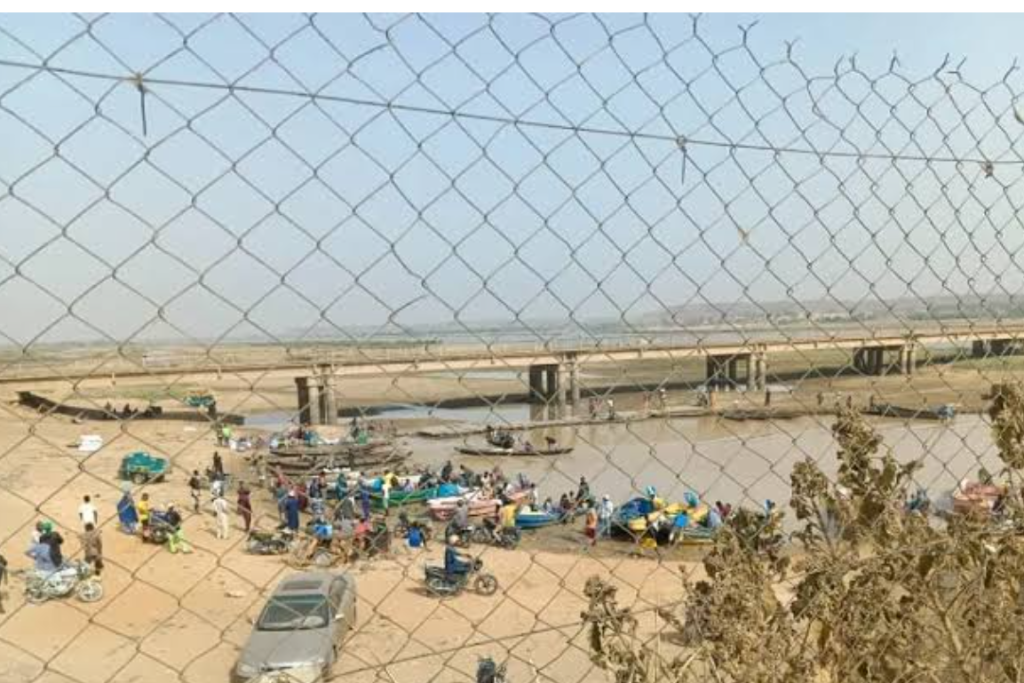
The International Monetary Fund (IMF) has delivered a sobering assessment: Niger’s prolonged border closures have drained the national treasury of over 117 billion West African CFA francs. This staggering shortfall exposes the harsh economic consequences of political standoffs in the Sahel. As trade routes freeze and cross-border commerce collapses, the narrative of regional juntas—once framed around security imperatives—now rings hollow against the grim backdrop of fiscal collapse.
Economic hemorrhage: 117 billion CFA francs lost to geopolitical tensions
The IMF’s findings leave no room for doubt. The paralysis of trade with Niger has triggered a revenue hemorrhage of 117 billion CFA francs. This staggering figure underscores the scale of the economic disaster sweeping through West Africa since the region’s political upheavals. Customs and tax revenues, the lifeblood of Sahelian economies, have plummeted. By choking vital trade arteries linking coastal ports to landlocked Sahelian markets, military-led governments believed they could wage a geopolitical battle against neighbors and regional bodies. Yet the accounting reality tells a different story: public coffers are draining at an alarming rate. This colossal loss cripples states’ ability to fund essential public services. Schools, hospitals, and critical infrastructure projects now hang in the balance, sacrificed on the altar of political posturing. By severing the flow of goods, authorities have undermined the very foundation of the financial sovereignty they claim to uphold.
From kitchen tables to local markets: inflation tightens its grip
Behind the IMF’s stark macroeconomic figures lies a human crisis unfolding in real time. The impact of border closures is felt every dawn in local markets, where the cost of living has become a daily burden. The halt in merchandise transit has triggered severe shortages of essential goods. Rice, cooking oil, sugar, and even cement now command exorbitant prices, driven by supply bottlenecks and the rerouting of transport networks. The surge in costs is exacerbated by soaring diverted transport expenses, suffocating small traders and pushing informal sector actors to the brink of collapse. This runaway inflation spares no one, but it devastates the most vulnerable households. By severing cross-border exchange circuits, governments have dismantled the microeconomic fabric that sustained entire cities.
The security argument as a smokescreen: a strategy of distraction
As economic indicators worsen, the communication strategy of the Sahel States Alliance (AES) remains rigidly unchanged. Daily hardships are routinely blamed on external security threats or the failings of crumbling infrastructure—such as the strategic closure of bridges or roads, ostensibly justified by territorial defense. Yet the security argument and the orchestrated disruption of trade routes increasingly appear as a convenient pretext. This rhetoric serves as a distraction, diverting public attention from the glaring failures of economic management and the transitional authorities’ inability to stabilize public finances. By framing border closures as an act of patriotic resistance, military leaders mask their own economic misjudgments. The rupture with traditional partners and the militarization of international trade choices have not delivered the promised prosperity. Instead, they have fostered an environment of economic anxiety, stifled private investment, and forced states into a precarious reliance on temporary financial fixes.
A political deadlock demanding a return to pragmatism
Ideological intransigence has now collided with economic reality. A deficit of 117 billion CFA francs cannot be bridged by martial rhetoric or recycled accusations against the international community. Economics operates on pragmatic principles: the free movement of goods and people is the engine of Sahelian growth. By transforming borders into political trenches, military regimes have weakened a region that desperately needs to fortify its economic structures. To avert a social catastrophe, the urgent reopening of transit routes, pragmatic dialogue with regional economic bodies, and the removal of trade barriers must reclaim their place at the top of the agenda. The fate of the region’s populations hangs in the balance—they can no longer be forced to foot the bill for their leaders’ political gambits.