Niger’s COVACC warns of 2026 rainy season threats
As the rainy season approaches in Niger, government authorities are sounding the alarm over potential risks for livestock and infrastructure damage. The Operational Centre for Monitoring, Alerts and Crisis Management (COVACC), under the Ministry of the Interior, has urged citizens—especially pastoral communities—to exercise extreme caution as the first rains of 2026 are expected to bring significant challenges.
COVACC issues urgent warning ahead of Niger’s 2026 rainy season
The national meteorological service predicts that the 2026 rainy season will be normal to above average, with strong winds likely to accompany the early downpours. This combination poses serious threats to livestock and public infrastructure across the country’s agropastoral belt, where millions of families depend on livestock for their livelihoods.
The COVACC, which coordinates disaster preparedness and response, has stressed that while the forecast may benefit agriculture, it also introduces heightened risks for pastoralists and rural settlements.
Strong winds and sudden downpours: a double threat
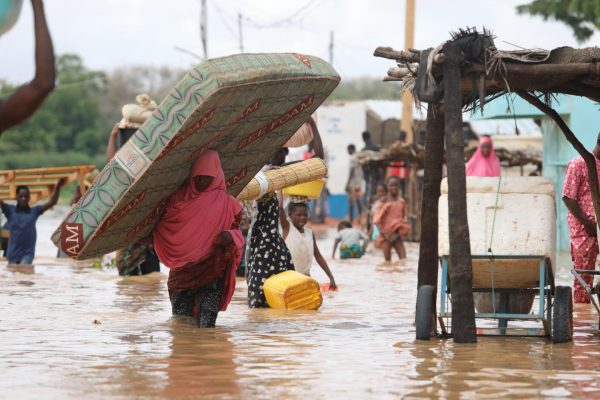
Historically, the onset of the rainy season in Niger brings violent winds and flash flooding, particularly in the southern and central regions. Weakened livestock—already struggling from the lean season—become highly susceptible to injury, displacement, or death during these storms. At the same time, public and private infrastructure often suffers severe damage, including collapsed roofs, destroyed school buildings, and disrupted power and water supplies.
Early damage already reported in multiple regions
As of mid-May 2026, the General Directorate of Civil Protection (DGPC) has documented significant storm-related damage in several communities:
- Tahoua Region (Allakaye Commune): Destruction of a three-classroom school block, a mud-brick classroom, and part of a local health center.
- Dosso Region (Dankassari Commune): Collapse of two classrooms, a warehouse, six streetlights, and five power poles.
COVACC urges communities to act now
To minimize human, livestock, and property losses, COVACC has issued a series of preventive recommendations:
- Monitor official weather bulletins and emergency alerts from government agencies.
- Keep livestock sheltered during high-wind events and avoid low-lying or flood-prone areas.
- Do not graze animals in dried riverbeds (koris), which can quickly become raging torrents.
- Stay away from drainage channels and report any signs of structural damage or flooding immediately to local authorities.
Why preparedness matters for Niger’s pastoral economy
In Niger, livestock is not just a way of life—it is the backbone of the rural economy. With over 80% of rural households relying on animal husbandry, the rainy season is a critical turning point: it can restore grazing lands and boost food security, yet it can also erase years of hard-won progress through climate-related disasters.
Amid ongoing security challenges and economic strain, government agencies are working to strengthen early warning systems and rapid response mechanisms. Yet officials emphasize that prevention remains the most effective defense. For Niger’s pastoralists, the 2026 rainy season could either restore hope—or bring devastating loss.
