
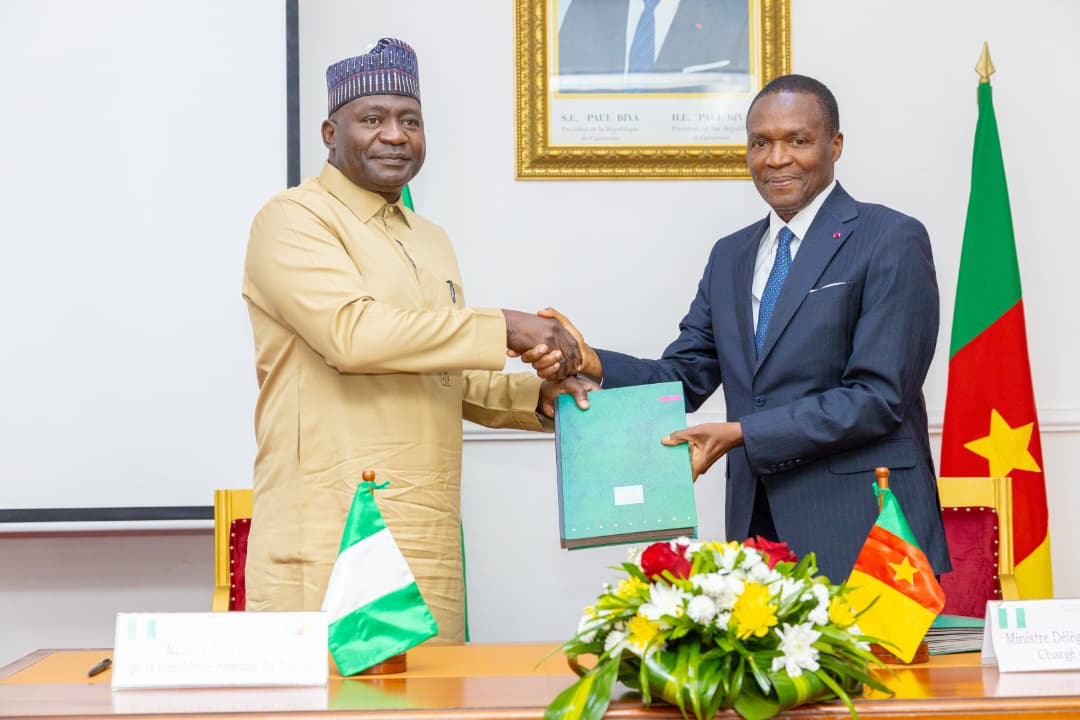
In a significant move to enhance regional stability, Nigeria and Cameroon have inked a landmark defense agreement in Yaoundé. The pact aims to fortify the shared southern border between the two nations, establishing a robust framework for military collaboration. Key components include intensified joint operations, streamlined intelligence sharing, and closer ties in military training and defense manufacturing.
Strengthening mutual defense through structured cooperation
The newly signed memorandum outlines a comprehensive plan to address evolving security challenges along their terrestrial and maritime boundaries. Both countries have committed to refining their operational coordination, deepening information exchange, and expanding logistical support. Military personnel exchanges and collaborative training programs are also part of the enhanced strategy to bolster their collective defense capabilities.
Maritime security takes center stage
The agreement places particular emphasis on the recently established joint maritime task force. Officials from both nations underscored the urgent need to operationalize this force fully. The initiative is designed to safeguard the Gulf of Guinea, a critical maritime corridor, while protecting the economic and security interests of the wider West African region.
Industrial collaboration drives defense innovation
Defense production and technological advancement emerged as focal points during the negotiations. Nigeria’s outgoing Defense Minister, General Christopher Gwabin Musa, highlighted the persistent challenge of Africa’s over-reliance on imported military hardware. He called for stronger regional partnerships to bolster local defense manufacturing, innovation, and skill development.
The agreement also paves the way for collaborative ventures under the Defence Industries Corporation of Nigeria, with opportunities spanning equipment co-production, technology transfer, and joint research initiatives. Cameroon’s delegation, led by Presidential Defense Advisor Joseph Beti Assomo, expressed keen interest in deepening bilateral cooperation in defense innovation, noting that formal proposals are being finalized to accelerate these projects.