
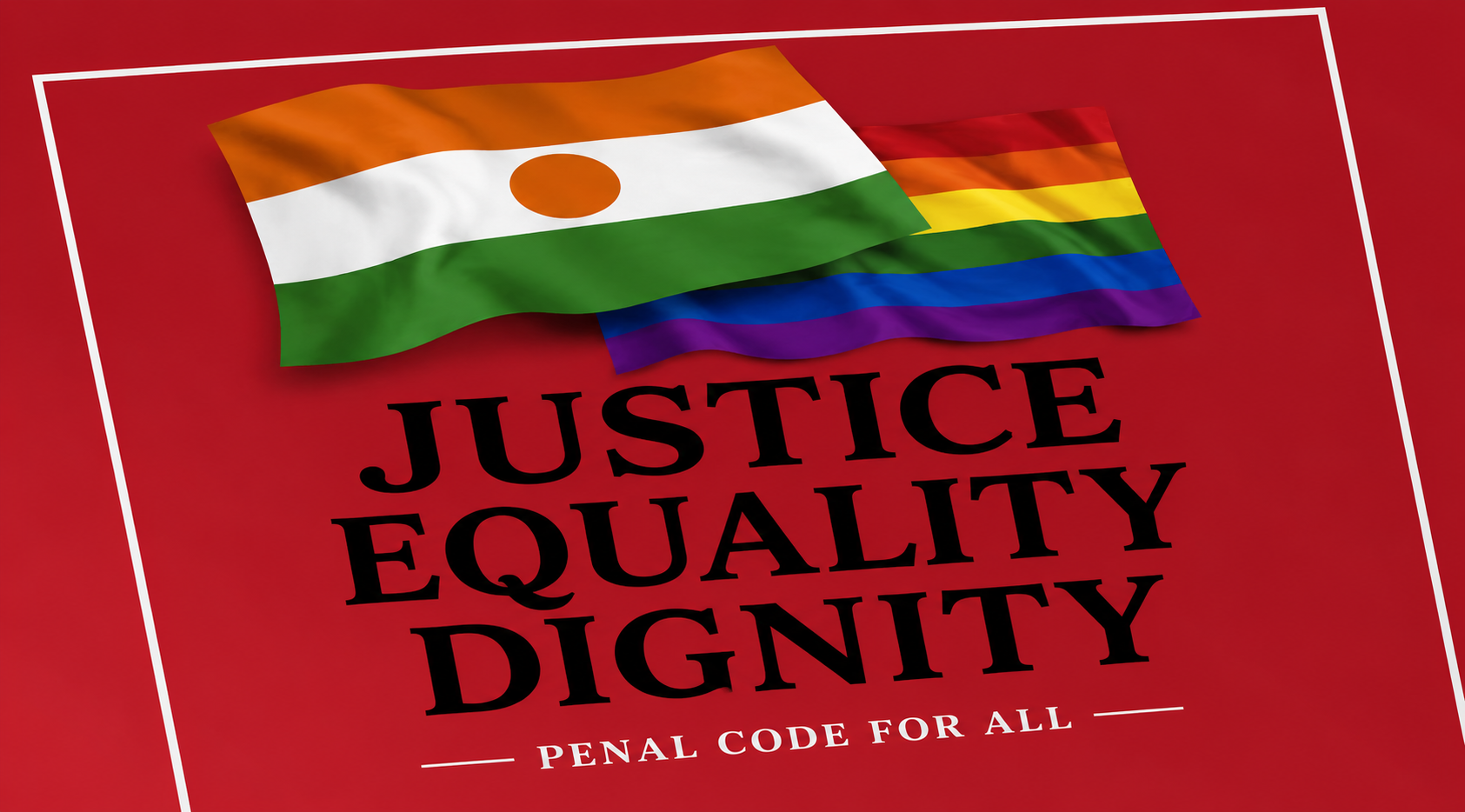
Niger formally criminalizes same-sex relations under revised penal code
The Nigerien government has enacted sweeping legal reforms that introduce severe penalties for homosexuality and LGBTQIA+ activism, marking a significant departure from the country’s previous legal ambiguity on the issue. Signed into law in February by the military-led administration, the revised penal code imposes unprecedented prison sentences and substantial fines, fundamentally altering the legal landscape for sexual minorities in the country.
Key provisions of the new legislation
The updated legislation, now published in the Journal officiel, extends beyond prohibiting same-sex relations to criminalizing a broad spectrum of associated activities:
- Base penalties: Individuals engaging in or attempting to commit “indecent or unnatural acts” or participating in LGBTQIA+ practices face prison sentences ranging from five to ten years.
- Aggravated circumstances (up to 20 years): Penalties escalate to a maximum of 20 years when specific aggravating factors are present, significantly intensifying the severity of the punishment.
- Exorbitant fines: Financial sanctions accompany imprisonment, with fines reaching up to 500 million West African CFA francs—equivalent to approximately 750,000 euros—applied without the possibility of leniency or suspended sentences.
- Criminalization of activism and support: The law targets individuals involved in organizing, financing, or participating in LGBTQIA+ groups, associations, or events. Those facilitating same-sex marriages or even witnessing such unions also risk the same severe penalties.
Government defends the reforms as alignment with national values
Proponents of the new law argue it reflects Niger’s cultural and social values, framing the changes as a defense of national sovereignty. The Minister of Justice, Alio Daouda, has publicly justified the reforms, stating:
« Our objective is to align our legal framework with the ethical and cultural principles that define our society. »
The military administration’s rhetoric emphasizes sovereignty and resistance to perceived Western cultural impositions, positioning the reforms as a protective measure against external influence. This ideological stance has been consistently reinforced in recent years, including the removal of comprehensive sexual education modules from school curricula and the ban on applications promoting reproductive health awareness, deemed incompatible with the country’s predominantly Muslim and conservative social fabric.
A regional trend toward repression
Niger’s legislative shift is not an isolated incident but part of a broader regional movement toward stricter anti-LGBTQIA+ laws. The country now joins a growing list of West African nations tightening legal restrictions around same-sex relations:
- Burkina Faso (2025): Criminalized homosexuality with a maximum penalty of five years in prison.
- Senegal (2026): Doubled existing penalties for “unnatural acts,” increasing the maximum prison term to ten years.
- Ghana (2024–2026): Enacted legislation imposing three to five years in prison for same-sex relations and related advocacy.
Human rights organizations warn of escalating risks
The implementation of the new penal code has sparked widespread concern among human rights advocates, both locally and internationally. Critics argue that the law not only exacerbates discrimination against an already marginalized community but also increases the vulnerability of LGBTQIA+ individuals to violence, extortion, and false accusations.
Humanitarian actors operating in Niger further caution that the legislation could severely hinder access to essential health services, particularly HIV prevention and treatment programs. By driving LGBTQIA+ individuals into secrecy, the reforms risk undermining decades of progress in public health outreach and education. With over 30 African countries now criminalizing same-sex relations, Niger’s adoption of one of the region’s most punitive legal frameworks underscores the growing consolidation of repressive policies across the continent.