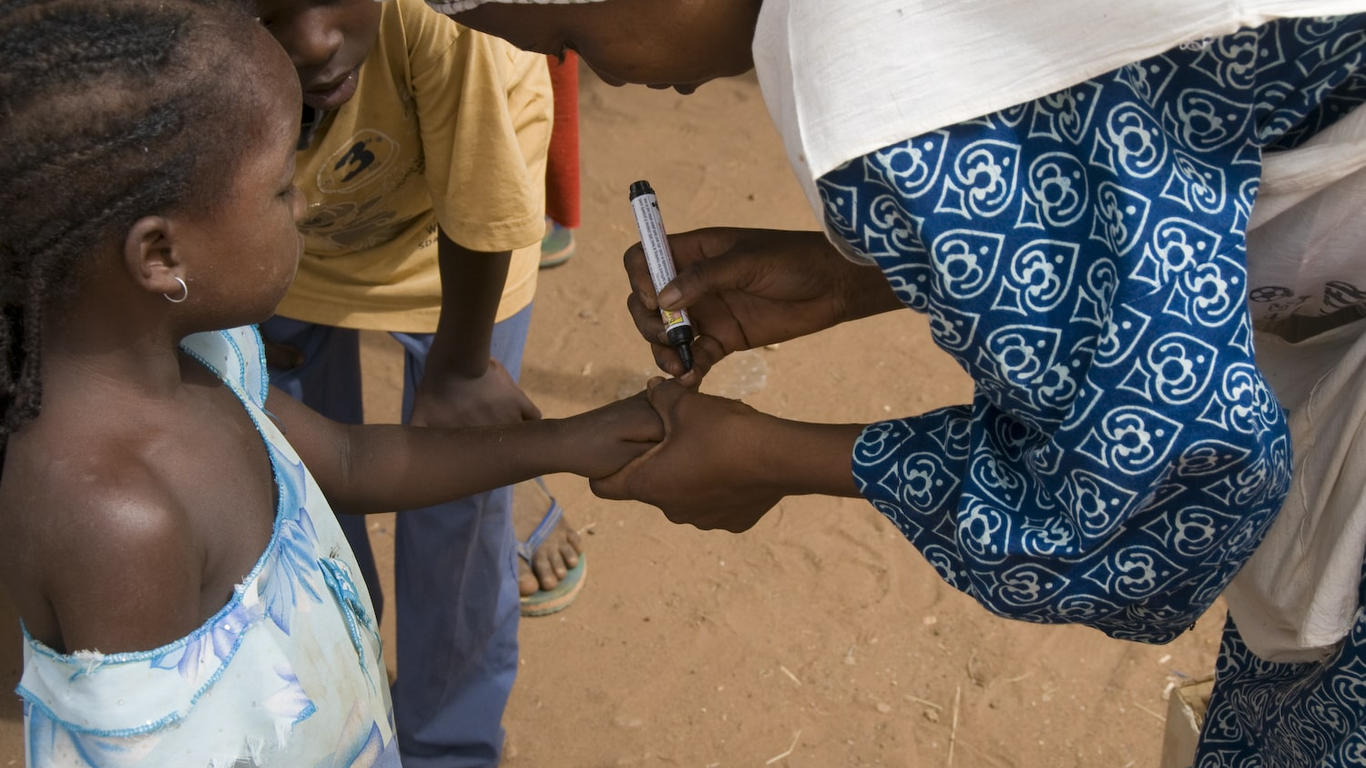
Niger grapples with simultaneous polio and covid outbreaks
Niger struggles with dual health crises: polio resurgence amid COVID-19 pandemic
The Niger is currently battling two major health threats simultaneously: the ongoing COVID-19 pandemic and a sudden polio outbreak that has already affected two children in the regions of Niamey and Tillaberi. This double burden is putting immense strain on the country’s already fragile healthcare system.
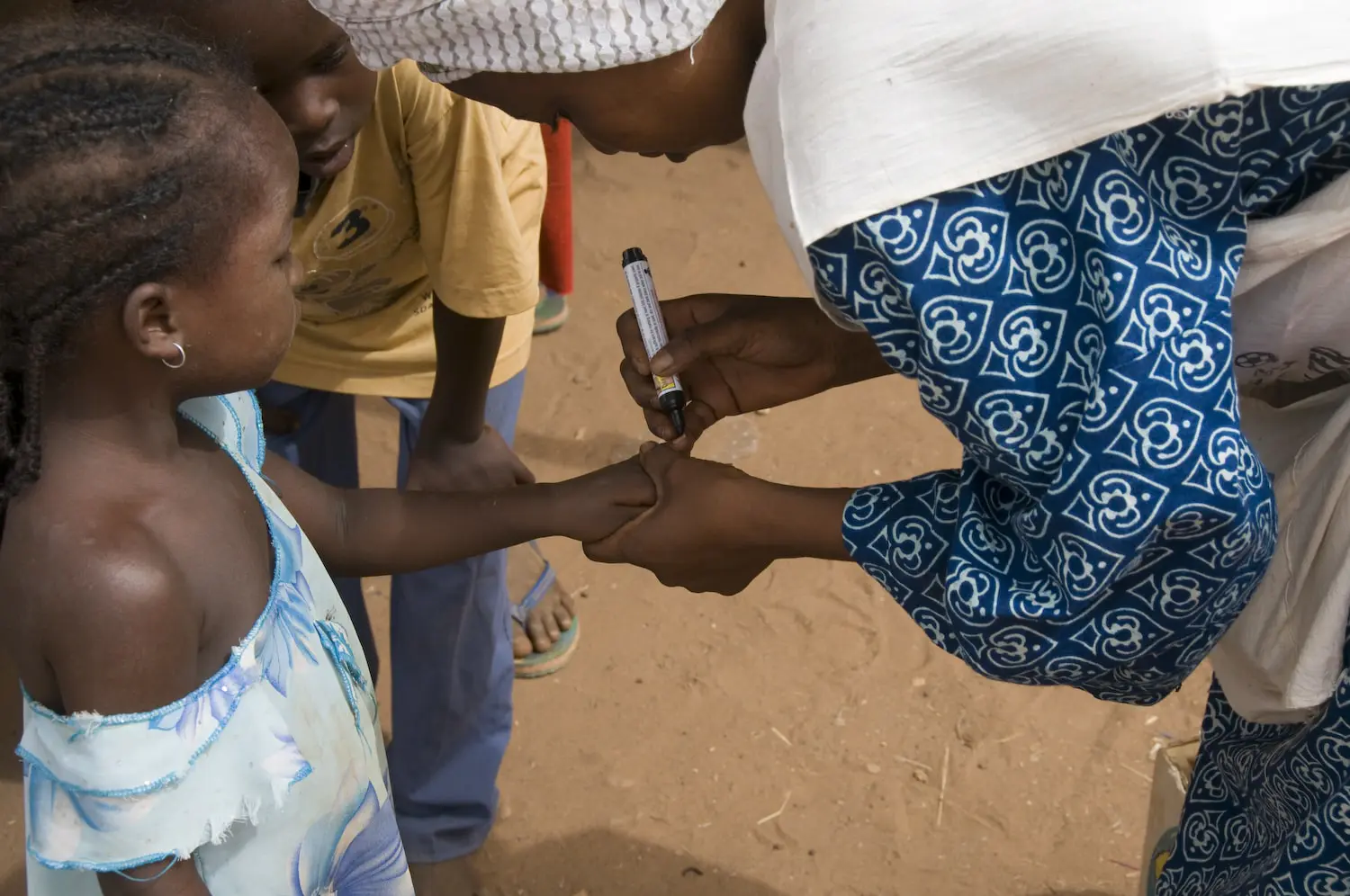
While COVID-19 spreads through respiratory droplets from coughing or sneezing, polio transmission occurs through contaminated water, unwashed hands, or contact with infected individuals. Both diseases share similar early symptoms including fever, headache, and cough, which complicates initial diagnosis and containment efforts.
Why vaccination campaigns have been suspended
The Niger had successfully controlled previous polio outbreaks through large-scale vaccination campaigns in 2019. However, these critical immunization efforts have been temporarily halted due to COVID-19 safety protocols requiring social distancing and enhanced hand hygiene measures. Dr. Pascal Mkanda, Coordinator of the Polio Eradication Programme for the African Region, explains:
“The Niger had previously ended polio outbreaks through high-quality mass vaccination campaigns in 2019. Unfortunately, we cannot conduct these campaigns now because COVID-19 response measures have imposed global standards for social distancing and handwashing hygiene that prevent large gatherings.”
The new polio challenge
In December of last year, the Niger, along with Kenya and Mozambique, successfully ended 24-month-long polio outbreaks. However, this new vaccine-derived poliovirus case differs from previous outbreaks. The two paralyzed children in Niamey and Tillaberi represent an emerging threat that health authorities are struggling to contain.
Poliovirus circulation continues unabated
Dr. Mkanda warns of the inevitable consequences of delayed vaccination:
“The poliovirus will inevitably continue to spread and potentially paralyze more children, as we cannot implement timely, high-quality vaccination campaigns under current COVID-19 restrictions.”
This puts the Niger in a precarious position, joining 14 other African nations currently battling vaccine-derived polio outbreaks. The affected countries include Angola, Benin, Burkina Faso, Cameroon, Central African Republic, Chad, Côte d’Ivoire, Democratic Republic of Congo, Ethiopia, Ghana, Mali, Nigeria, Togo, and Zambia.
Underlying challenges to polio eradication
The widespread polio resurgence across Africa stems from several persistent issues:
- Inadequate routine vaccination coverage in many regions
- Vaccine hesitancy among certain communities
- Geographical access barriers to remote areas
- Poor-quality vaccination campaigns in some locations
These factors have created gaps in herd immunity, allowing the virus to circulate and mutate into vaccine-derived strains that can cause paralysis.
Current efforts and future outlook
While mass vaccination campaigns remain suspended, the African Region’s Polio Eradication Programme is working to maintain essential disease surveillance functions. Though no cure exists for polio, prevention through vaccination remains the most effective strategy. Health authorities in the Niger and across Africa are now racing to:
- Increase childhood immunity levels
- Protect children from polio-related paralysis
- Maintain critical surveillance systems
- Develop innovative approaches to reach underserved populations
The dual challenge of COVID-19 and polio has created an unprecedented health crisis in the Niger, requiring urgent international support and innovative solutions to prevent further spread of both diseases.
