Niger faces health crisis as cholera cases surge in Maradi and Zinder
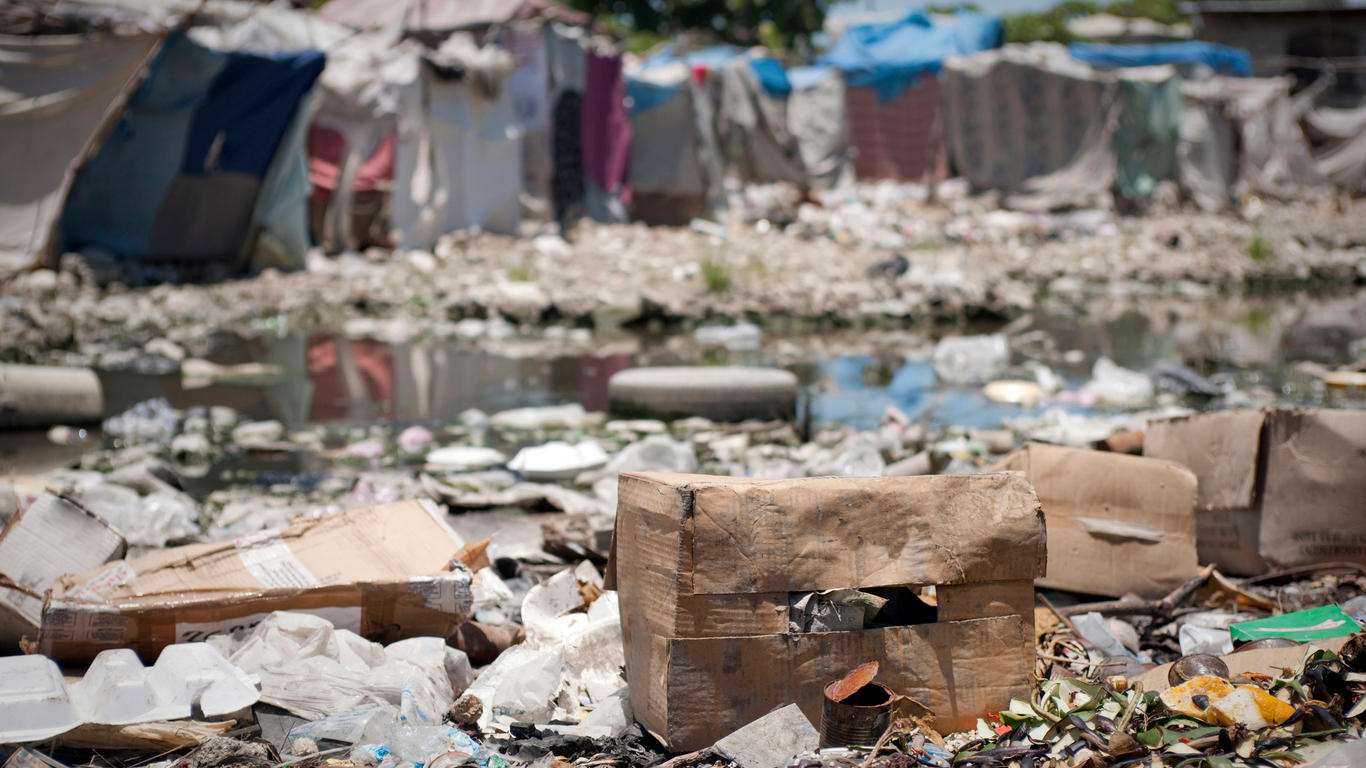
Recent heavy rainfall along the border between Niger and Nigéria has sparked a significant spike in cholera infections. This acute intestinal disease is triggered by bacteria found in contaminated and stagnant water sources.
According to official statements, more than 600 cases have been recorded throughout the affected provinces. Currently, 400 patients have been discharged after recovering, while 156 others are still receiving medical attention.
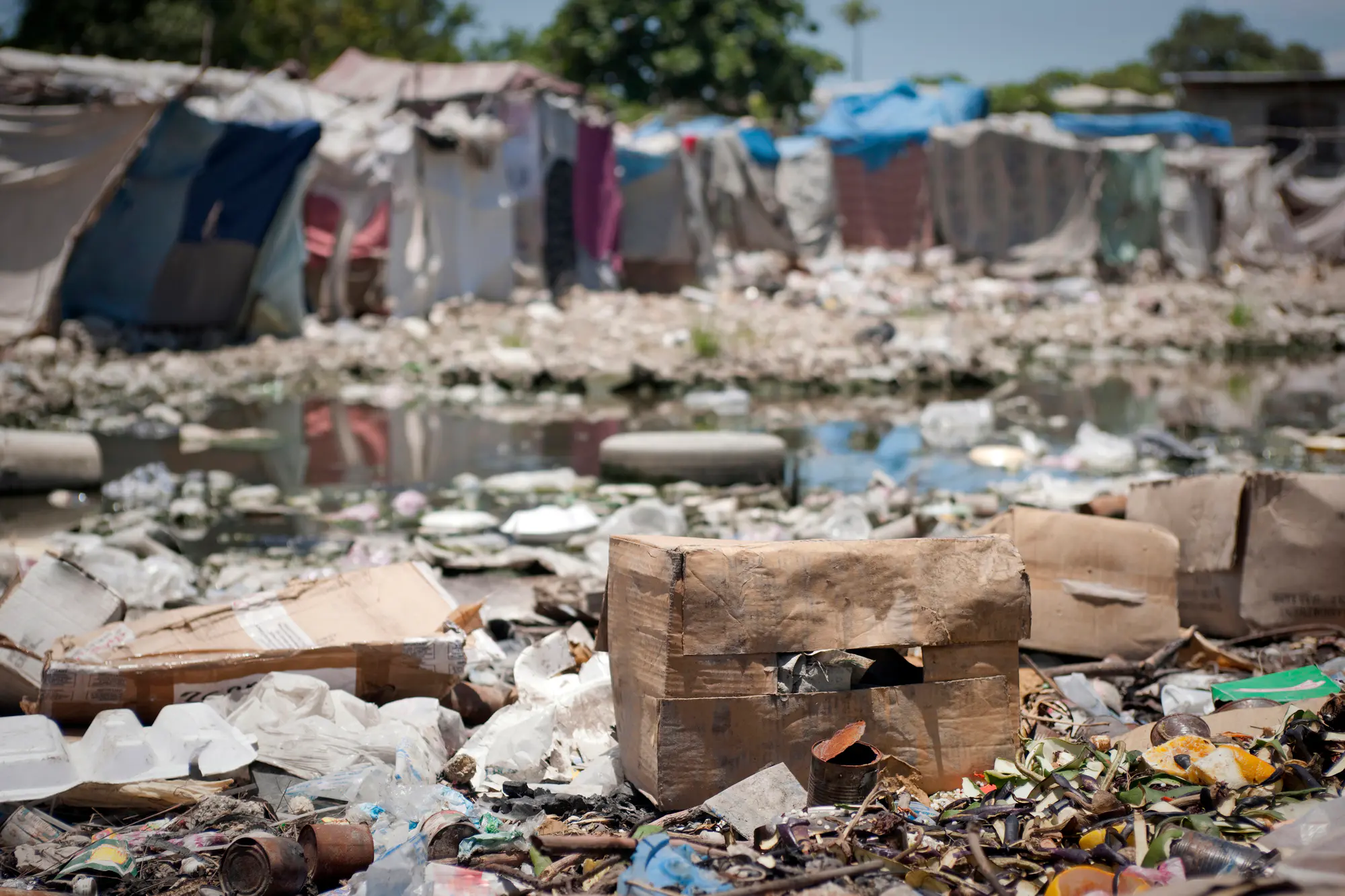
The transmission of cholera occurs through the consumption of tainted water or food. Its spread is further fueled by poor hygiene habits, a lack of proper latrines, and deficient sewage management. Improving sanitary conditions and educating the public are vital steps toward eliminating the threat.
The vital role of public awareness
Since the significant epidemic of 2018, cholera has resurfaced intermittently in Niger. However, the general population has seen a decline in immunity over the years, leaving many citizens highly vulnerable to the current wave of infections.
In response to the emergency, authorities have opened dedicated care centers in the Nigerien regions most impacted by the disease, which has already resulted in at least 19 deaths. Health teams are on the ground informing residents about prevention methods and the fact that treatment is provided free of charge. As torrential rains continue to complicate the situation, experts warn that sustainable control of the disease will only be achieved through deep improvements to water supply networks and sanitation infrastructure.
