Niamey’s oil pivot: economic realities reshape Niger’s partnership with China
Beyond the grand pronouncements of reclaimed sovereignty and a departure from former alliances, economic realities have delivered a stark reminder. Confronted by crippling financial isolation, Niger’s military administration has finalized a series of oil agreements with the China National Petroleum Corporation (CNPC). This signing represents an economic capitulation, primarily aimed at urgently replenishing the nation’s depleted treasury.
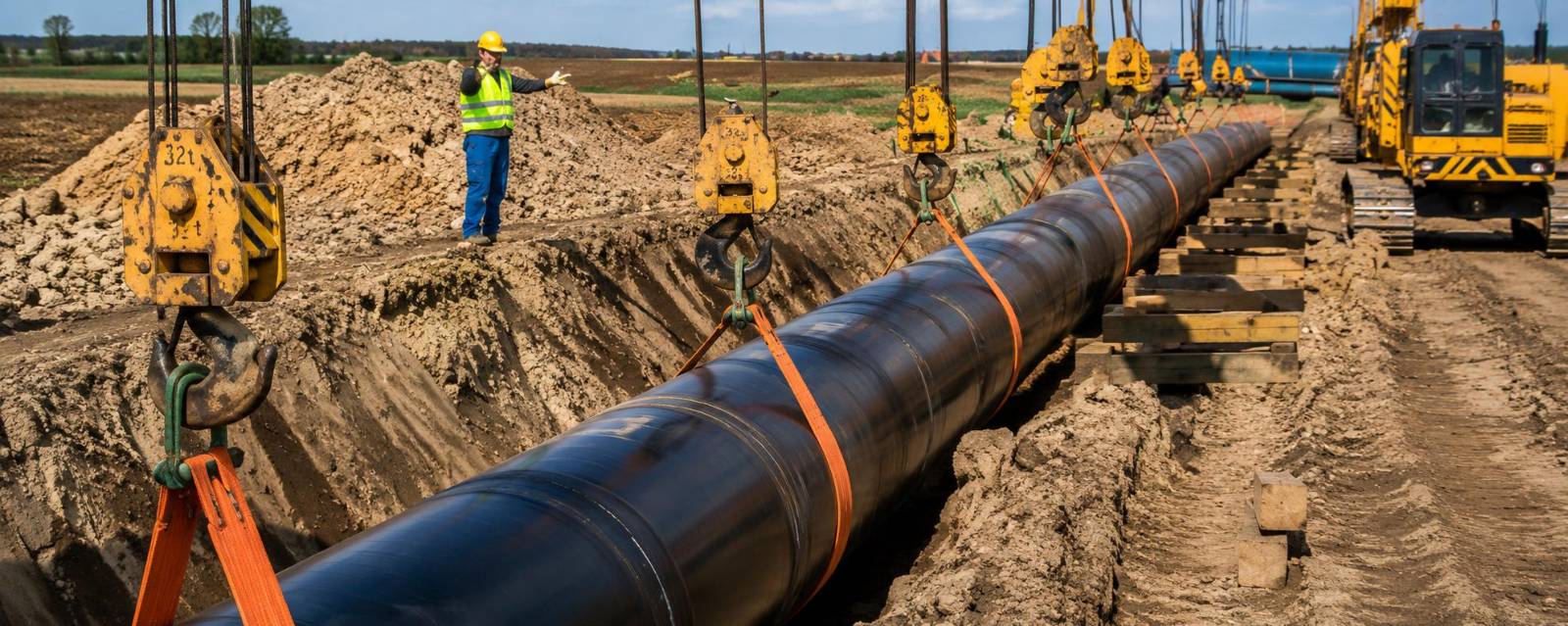
For several months, authorities in Niamey maintained an inflexible stance towards the Chinese giant, demanding a significant overhaul of the terms governing the extraction of Nigerien crude and the WAPCO pipeline infrastructure. However, nationalist rhetoric quickly collided with the formidable challenge of managing a state on the brink. Deprived of essential regional and international financial backing, the incumbent government found itself with no alternative but to re-engage in negotiations with Beijing from a position of disadvantage.
While officially portrayed as a triumph for the ‘Nigerization’ of employment and a victory in increasing state participation (now 45% in WAPCO), this agreement primarily underscores a critical imperative: ensuring the immediate flow of oil to secure foreign currency revenues for an exhausted public treasury.
Critics’ perspective: a lifeline for regime survival?
For political opponents and independent financial observers, the eagerness to finalize these agreements with Chinese companies conceals motives less altruistic than the well-being of the populace. They perceive it as an opportunity for the ruling elite to access liquid funds, bypassing traditional international oversight, thereby escalating the risk of poor governance and the squandering of public resources at the expense of the country’s fundamental infrastructure.
Increased dependence masked as nationalization
By agreeing to more intimately intertwine its oil future with Beijing’s interests, Niger appears to merely shift the locus of its geopolitical reliance. Concessions attained regarding salary harmonization at Soraz or local subcontracting quotas seem like superficial gains when contrasted with the strategic monopoly maintained by Chinese state-owned enterprises across the entire value chain, from extraction to maritime export.
The recent history of managing extractive resources in sub-Saharan Africa illustrates that a lack of robust institutional checks and balances and transparency often transforms oil revenue into a tool for consolidating central power, rather than a catalyst for inclusive development. In Niger, the ongoing challenge remains to demonstrate that these new Chinese liquidities will genuinely serve the national coffers and not merely fund the operational expenses of a government striving for legitimacy.
