Niamey tabaski: soaring sheep prices strain household budgets
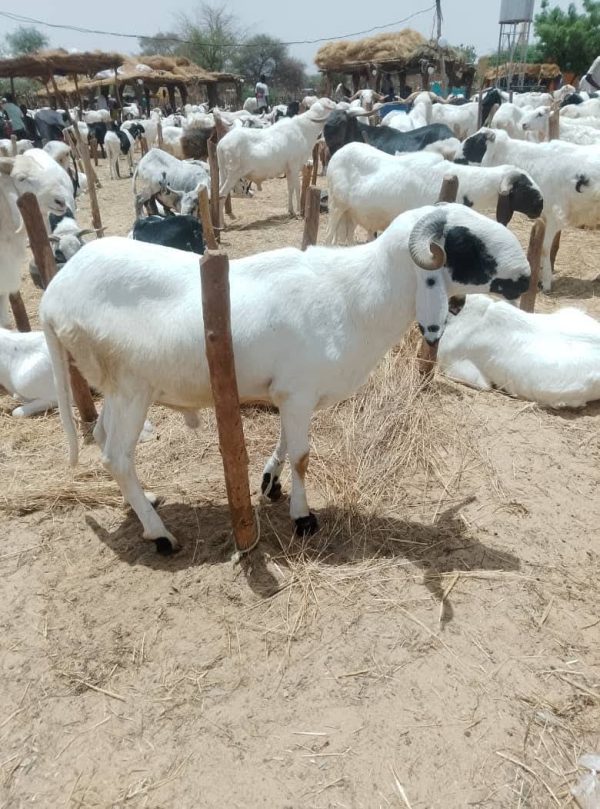
With Aïd al-Adha approaching, Niamey’s streets are alive with livestock. Trucks laden with cattle roll in continuously, and livestock markets overflow with activity. Yet, the laws of supply and demand seem to vanish—despite record abundance, prices surge while inflation tightens its grip on household finances.
Niamey, late May 2026 — The streets of Niger’s capital tell a striking story. From dawn to dusk, the lowing of sheep echoes through the air, and the skyline is dotted with animals. Heavy trucks, crammed with livestock from every region of the country, keep arriving in unrelenting succession. The markets are packed, and the scent of fresh hay lingers everywhere. But here’s the paradox: this overwhelming supply has done little to curb soaring prices.
The 2026 Tabaski season has brought back the painful tradition of skyrocketing costs for essentials, reversing the temporary relief many families enjoyed last year. For breadwinners across the city, budgeting for this celebration has become a daunting challenge.
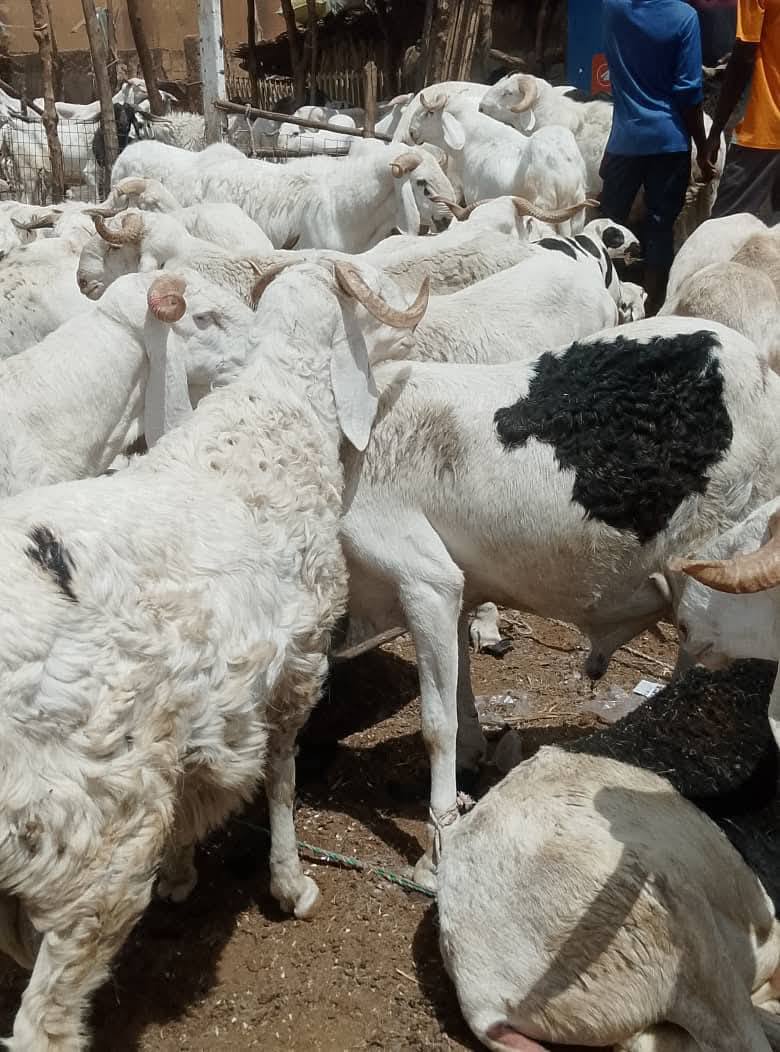
price shock: top-quality rams reach 450,000 f cfa
The sight of animals in the markets is a stark reminder of the financial hurdle ahead. This year, the cost of Tabaski livestock has reached unprecedented levels:
- Budget tier (80,000 – 100,000 f cfa): small lambs or young sheep—barely enough for the basic observance of the feast.
- Mid-tier (120,000 – 200,000 f cfa): the most sought-after option for middle-class families, offering better quality but at a steep price.
- Premium tier (250,000 – 450,000 f cfa): large, highly prized rams—now an unattainable luxury for most households.
inflation hits even the smallest essentials
The strain on household budgets doesn’t end with the livestock. Even the modest ingredients needed for the feast have seen alarming price hikes. Take dried pepper, for example—a staple in every household during Tabaski.
Despite no shortage of supply, prices have climbed sharply. A 100 kg sack that cost 20,000 f cfa last week now sells for 30,000 f cfa. At retail, a small 800-gram bag goes for 1,000 f cfa, a 50% jump in just days.
households caught between abundance and affordability
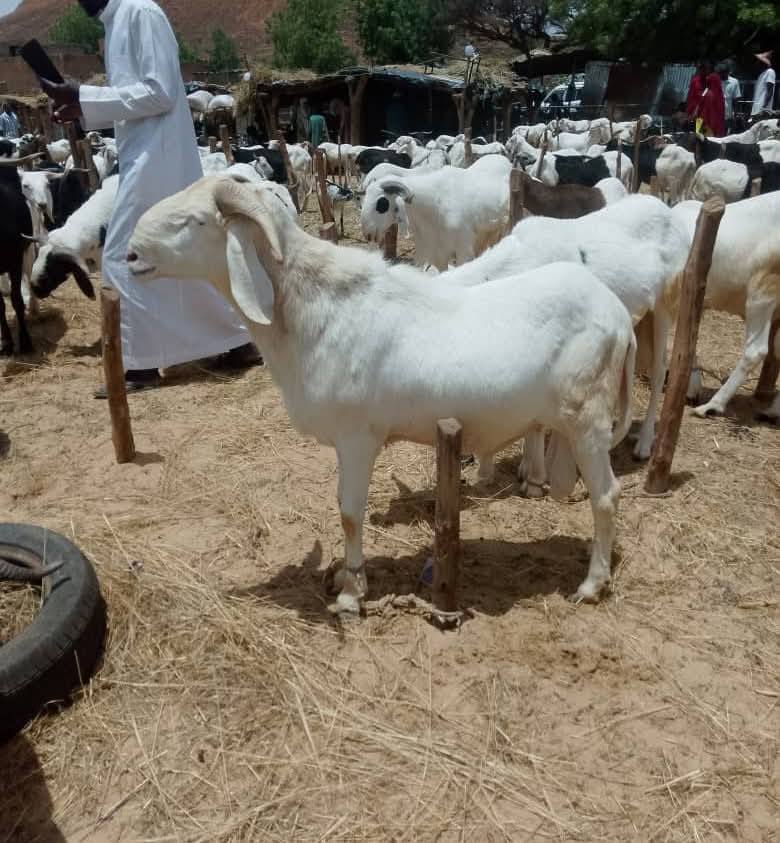
“You see sheep everywhere, but the prices are fixed,” laments one shopper near a roadside livestock stand. His frustration mirrors the mood sweeping through Niamey’s markets. As the nation prepares to celebrate its most significant Muslim festival, the pressure on household budgets has never been more intense. Supply is abundant and visible, yet speculation and last-minute demand are pricing many families out of the celebration.
For countless Nigerien households, this year’s Tabaski may force difficult choices—between quality and necessity, between tradition and financial stability.
