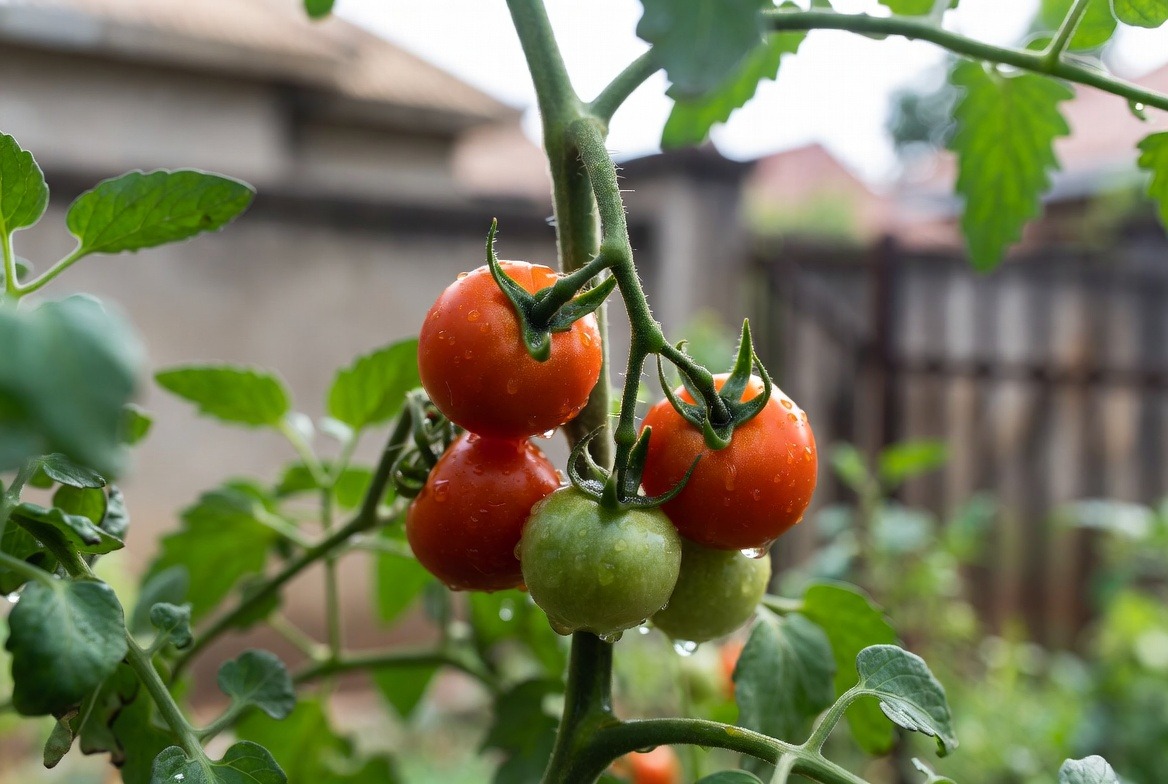
Niamey struggles with soaring vegetable prices amid planning gaps
In Niamey, the capital of Niger, July 2026’s scorching heat isn’t the only thing making life harder for households. A sudden and steep rise in the cost of essential vegetables has pushed many families into deeper financial strain, exposing deep-rooted issues in the country’s agricultural strategy.
The crisis isn’t about drought or bad weather—it’s about broken systems. Prices for local staples like tomatoes and cabbage have skyrocketed, with tomatoes now selling for up to 35,000 FCFA per basket and cabbage for 25,000 FCFA per sack. While seasonal shifts between local harvests and imports from neighboring countries like Bénin, Nigeria, and Ghana are expected, the severity of this price surge reveals a deeper failure: a lack of long-term planning and government inaction.
Why the seasonal gap turns into a crisis
Every year, Niger follows a predictable but unsustainable cycle. During the dry season, the country exports its surplus produce. Then, when the rainy season arrives, it becomes heavily dependent on vegetables from neighboring West African nations. This cycle isn’t new—but the current price shock makes it clear that the system is broken.
The root causes are structural and long-standing:
- No cold storage infrastructure: Without proper refrigeration and storage facilities, surplus harvests from earlier months rot away, leaving nothing in reserve for lean periods.
- Weak local processing capacity: There are few industrial or semi-industrial facilities to process vegetables into shelf-stable products, like tomato paste or dried cabbage, which could help stabilize supply.
- Over-reliance on seasonal farming: Most vegetable production depends on natural rainfall. Without modern irrigation and hydro-agricultural investments, farmers can’t grow crops year-round, leaving the country vulnerable to shortages.
What should be a manageable logistical shift from local to regional supply has turned into a full-blown affordability crisis. And it’s hitting the poorest families the hardest.
Government silence fuels the crisis
Despite clear evidence of price manipulation and speculative trading in wholesale markets, there’s been no official response. Reports show wholesale prices for Nigerian tomatoes have surged to 35,000 FCFA per basket, while local cabbage prices have hit 25,000 FCFA per sack. Yet, no government intervention has been announced to:
- Cap excessive profits in wholesale and retail trade.
- Introduce targeted subsidies to protect household budgets.
- Publish a clear plan to prevent this crisis from repeating next year.
This lack of action sends a message of resignation. It suggests that the government has accepted dependence on foreign imports as an unavoidable fate, rather than addressing the real issues in Niger’s agricultural sector.
The time for real agricultural reform is now
Niger’s agricultural potential is real—but it’s being wasted. With no vision for year-round production, no investment in storage, and no industrial processing, the country remains trapped in a cycle of scarcity and high prices. The current leadership must move beyond rhetoric and take concrete steps to build resilience in the vegetable sector.
Without urgent policy changes, Niamey’s households will continue to pay the price—literally—for the absence of planning.
