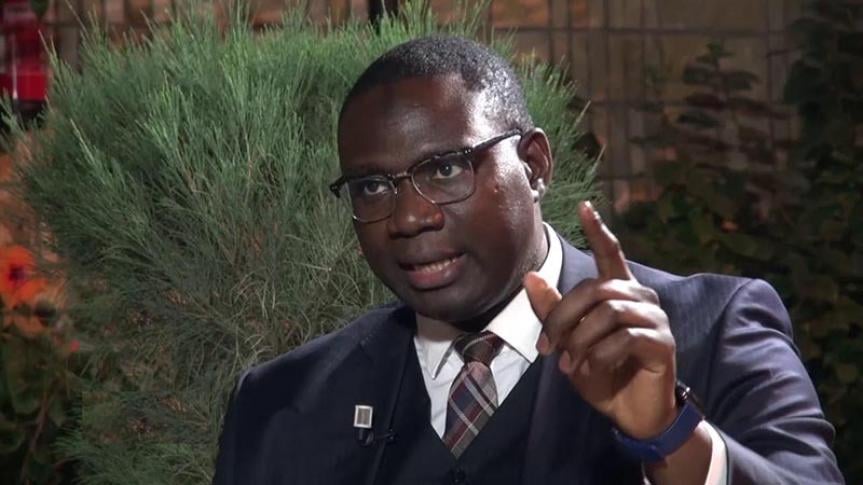
Moussa Balla Fofana’s exit from PASTEF: uncovering political shifts in Senegal
Moussa Balla Fofana’s bold move: balancing party loyalty and governance
The political landscape of Senegal is witnessing a significant shift as Moussa Balla Fofana, a prominent figure within the PASTEF movement, makes a strategic departure while retaining his ministerial portfolio. This bold decision has sparked discussions about the delicate balance between partisan commitments and government responsibilities, particularly in a nation where political dynamics are rapidly evolving.
The move raises critical questions about institutional stability. By choosing to step away from PASTEF yet continue serving in his official capacity, Balla Fofana signals a calculated repositioning that could reshape the party’s future and influence the broader political agenda in Senegal.
Why Moussa Balla Fofana’s separation matters for Senegal’s politics
Balla Fofana’s decision underscores the growing tensions between personal convictions and collective political strategies. His actions highlight the complexities of navigating party loyalty while fulfilling public duties, especially in a climate where Senegalese politics is marked by shifting alliances and evolving priorities.
Observers suggest that this separation could serve as a turning point for PASTEF, prompting a reevaluation of its internal structures and external relationships. The move may also reflect broader trends in West African governance, where elected officials often face the challenge of balancing ideological alignment with practical governance.
Assessing the implications for governance and party dynamics
The repercussions of Balla Fofana’s departure extend beyond PASTEF. His decision to remain in office while disengaging from the party could set a precedent for other officials, potentially altering the political equilibrium in Senegal. This development may also influence public perception, as citizens weigh the balance between party loyalty and effective governance.
In a nation where political allegiance frequently intersects with national progress, Balla Fofana’s choice to prioritize his ministerial role over party ties could inspire debates on accountability, transparency, and the evolving role of political parties in shaping Senegal’s future.
