A rare glimpse into Morocco’s covert diplomatic and intelligence operations has emerged, revealing how Rabat systematically undermined the Polisario Front from the heart of Latin America. Confidential correspondence from Morocco’s embassy in Caracas, Venezuela, dating back to October 2008, exposes a meticulously planned infiltration strategy to weaken the separatist movement and counter Algeria’s growing influence in Central America—all while leveraging insider intelligence provided by Sahrawi diplomat Salama Ould Hennane.
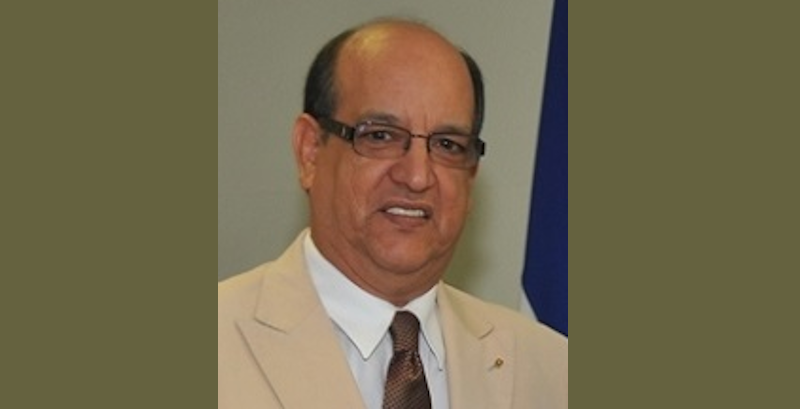
Directed exclusively to Yassine El Mansouri, then-director of Morocco’s DGED (General Directorate for Studies and Documentation), the letters penned by Ambassador Dr. Brahim Houssein Moussa uncover deep tribal divisions within the Polisario and pivotal geopolitical shifts, particularly in Panama.
Exploiting tribal fractures in the Polisario
The documents highlight a critical opportunity for Morocco: the potential defection of high-ranking Polisario officials. Ambassador Moussa revealed that he had been approached multiple times by an individual known only as Mr. Sliman—a pseudonym for Salama Ould Hennane, a native of Dakhla from the Oulad Dlim tribe and former “ambassador” of the SADR (Sahrawi Arab Democratic Republic) to Panama and Central America.
Sliman’s assessment was damning: the separatist movement was gripped by deep-seated discontent, fueled by blatant favoritism toward the Rguibate tribe at the expense of others, including the Oulad Dlim, Oulad Tidrarine, Ait Lahcen, Ait Baamran, and the Takna confederation. This systemic marginalization had created an explosive environment, ripe for exploitation.
According to Sliman, the timing could not have been better to strike a fatal blow against the Polisario. His plan? To rally opposition figures behind Morocco’s Autonomy Proposal, using their dissent as leverage to destabilize the movement from within. He claimed to have secured the backing of key SADR figures, including:
- Ahmed Ould Souilem (Delegate Minister for Arab Affairs)
- Mahfoud Ould Ahmed Zine (Former Minister and Military Region Leader)
- Mansour (Former Foreign Minister and Paris Representative)
The strategy proposed was bold: these officials would publicly defect, hold an international press conference—likely in Madrid—and formally endorse Morocco’s autonomy plan. Ambassador Moussa even suggested deploying Sliman as a double agent to execute this plan, turning his insider knowledge against the Polisario.
Algeria’s aggressive lobbying in Latin America
The correspondence also sheds light on the fierce diplomatic battle unfolding between Morocco and Algeria in Latin America. In October 2008, Morocco’s intelligence network intercepted intelligence that Algeria’s ambassador to Washington, Mr. Baali, was preparing a high-profile tour of Central America.
Algeria’s goal was clear: to undermine Morocco’s autonomy plan at the UN by offering Latin American nations a blank check of cooperation projects—financial and economic incentives in exchange for aligning with the separatist cause. Meanwhile, the Polisario dispatched its envoy, Mohamed Yaslem Beissat, to Panama in a desperate attempt to salvage its crumbling influence.
Panama: A turning point in the conflict
The documents confirm Panama’s growing reluctance to accommodate the Polisario. In a decisive move, Panamanian authorities refused to accredit a new SADR ambassador, effectively demoting the separatist representation to the status of a mere chargé d’affaires. This setback sent shockwaves through the Polisario, prompting Ambassador Moussa to warn Rabat of the urgent need for a reciprocal gesture.
In a strategic counter-move, the Moroccan diplomat activated his trusted networks within Panama’s government to block further Polisario advances. His message was unequivocal: any reversal of Panama’s stance would risk damaging bilateral relations with the Kingdom of Morocco.
Unveiling Mohamed Abdelaziz’s secret itinerary
The intelligence gathered by Morocco’s Caracas embassy was remarkably precise. A document dated October 27, 2008, detailed the upcoming agenda of Polisario leader Mohamed Abdelaziz: a November 4 meeting with UN Secretary-General Ban Ki-moon in New York, followed by a November 9 trip to Valencia, Spain, for the closing of the European Conference in Support of the Sahrawi People (EUCOCO).
These classified diplomatic archives lay bare the harsh realities of the Sahara conflict—a shadow war where North Africa and Latin America collide, and where alliances are forged not only in the quiet corners of embassies but also in the fractures of tribal loyalties.