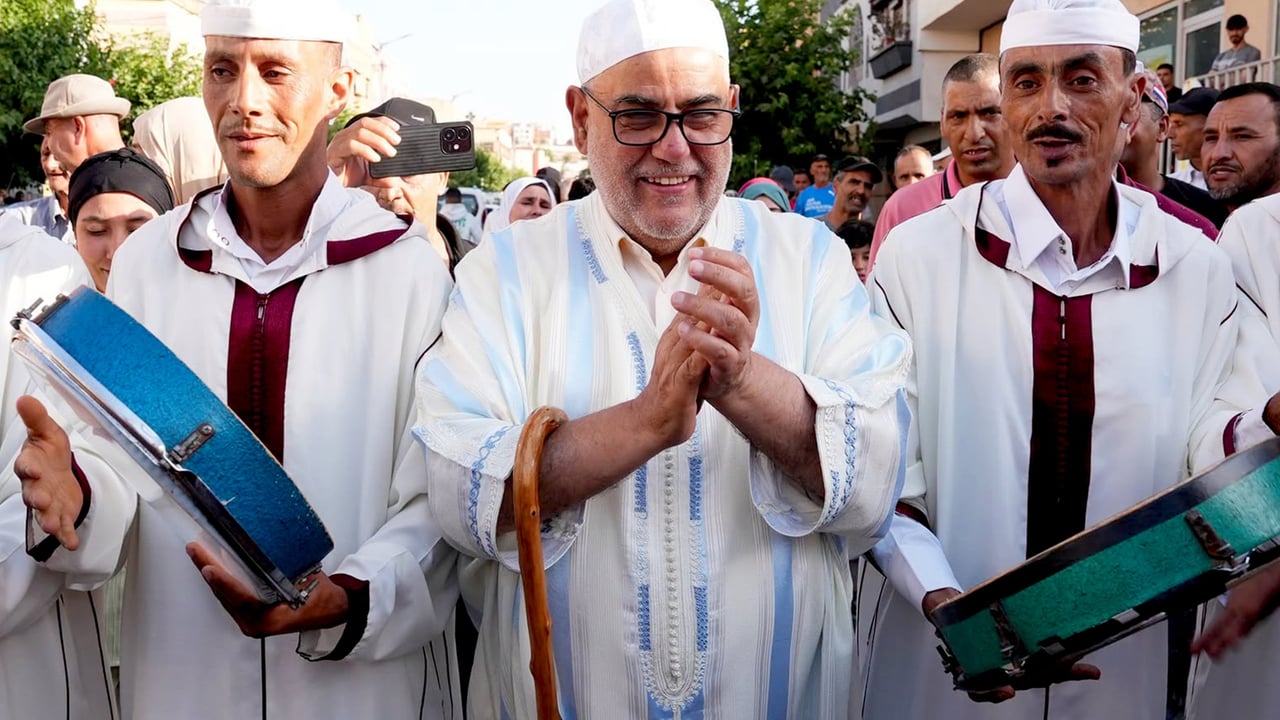
Morocco’s Benkirane expands conservative reach to Gen Z voters
In a sweeping campaign to modernize his political approach, Abdelilah Benkirane, leader of Morocco’s Justice and Development Party (PJD), is redefining traditional conservative outreach by targeting younger generations. The strategy, unveiled in mid-July 2026, blends time-honored values with fresh digital engagement tactics, aiming to bridge generational divides within the electorate.

From mosque to mobile: reimagining political communication
Benkirane’s initiative marks a departure from conventional conservative outreach, which traditionally relies on religious institutions and community gatherings. By leveraging social media platforms and influencer partnerships, the PJD is crafting a message that resonates with Morocco’s Gen Z—digital natives who prioritize authenticity and accessibility over rigid tradition.
The shift isn’t just about platforms; it’s about tone. Where once political discourse was dominated by formal, sermon-like addresses, Benkirane’s team is adopting a conversational style, using short-form video content and interactive polls to foster engagement. The goal is to dismantle perceptions of the PJD as an outdated, traditionalist party and instead position it as a responsive, forward-thinking force.
Balancing tradition with modernity
This pivot hasn’t come without challenges. Skeptics within the party argue that diluting core conservative values risks alienating the PJD’s traditional base. Others praise the move as a necessary evolution to stay relevant in a rapidly changing political landscape. Benkirane himself has framed the strategy as an extension of the PJD’s long-standing commitment to social justice—one that adapts to the needs of younger Moroccans without abandoning its principles.
Key initiatives include:
- Youth councils: Local PJD chapters are establishing advisory groups to gather input from Gen Z members on policy priorities.
- Digital town halls: Live Q&A sessions with Benkirane and party officials address issues like unemployment, education, and digital rights.
- Cultural collaborations: Partnerships with Moroccan artists and creators to produce content that aligns with youth culture while advancing the party’s agenda.
Measuring impact and navigating skepticism
The early signs are promising. Social media engagement for the PJD has surged, with Gen Z-led hashtags trending during major events. Polling data suggests a growing openness among younger voters to consider the PJD’s platform, though skepticism remains about whether the party can deliver on its promises.
Critics argue that the party’s conservative roots may still clash with the progressive values of many young Moroccans. However, Benkirane’s supporters point to the PJD’s track record of advocating for economic reforms and social welfare as proof of its adaptability. They contend that the party’s message—rooted in Islamic principles but delivered in a contemporary format—offers a rare balance in Morocco’s polarized political arena.
The success of this strategy could redefine the PJD’s role in Moroccan politics, positioning it as a bridge between generations rather than a relic of the past. As Benkirane’s campaign unfolds, all eyes are on whether this gamble will pay off in the long run.
