
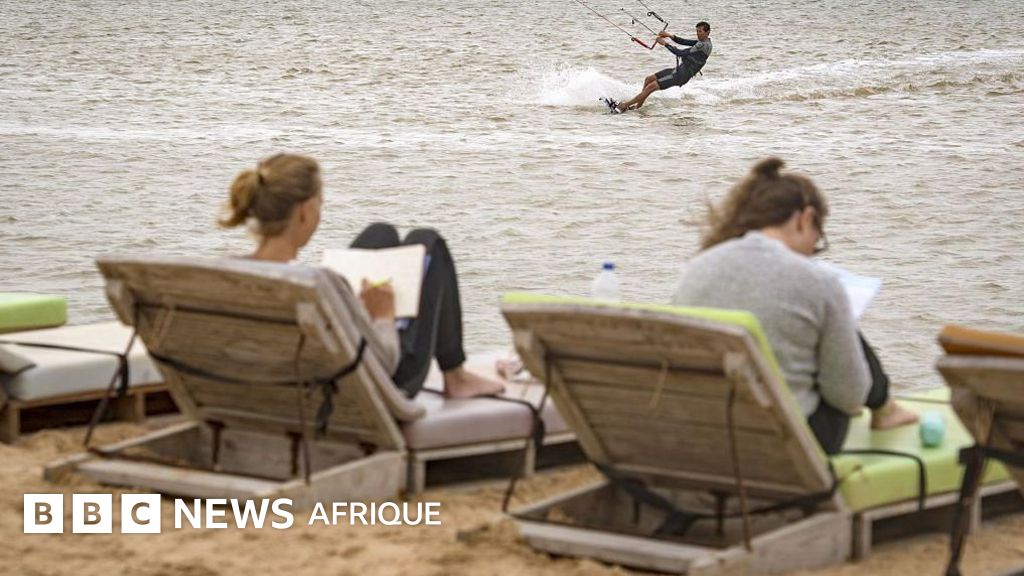
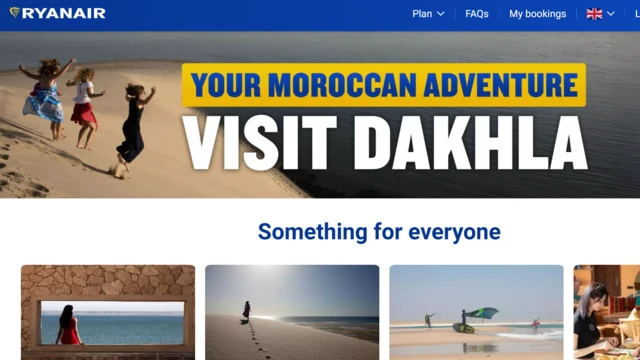
In March, my inbox received a promotional message from Ryanair, the Irish carrier, asking if I was prepared for my “next Moroccan adventure.” Dakhla, a city perched on a windswept peninsula where the Sahara meets the Atlantic, appeared undeniably enticing.
The journey would require a stop in Madrid, but from the Spanish capital, round-trip tickets to Dakhla were listed as low as 30 euros (approximately 35 dollars). The region offers diverse lodging, ranging from budget-friendly hostels to brand-new high-end resorts, all marketing the area as a hidden Moroccan treasure.

However, despite the glossy marketing materials and travel websites, any visitor making the trek would find themselves in the middle of one of the world’s most enduring territorial disputes. This is because Dakhla is located in Western Sahara, a region the United Nations designates as a “non-self-governing territory,” meaning the local population lacks self-governance.
Currently, Morocco occupies and governs roughly 80% of Western Sahara, referring to it as its “southern provinces” and asserting full sovereignty. While the United Nations has spent half a century advocating for a resolution—including a proposed referendum—the indigenous people of the territory have yet to vote on their own future.
Legal specialists and advocacy groups have expressed significant concerns regarding the marketing of Western Sahara as a Moroccan destination. They argue that such branding could violate international law and serves to normalize the Moroccan administration of the region. The Moroccan government has not provided a statement regarding these concerns.
Data from the Moroccan Ministry of Tourism reveals that visitor numbers to the areas of Western Sahara under Moroccan control have surged by over 50% in the last seven years. Figures rose from 490,297 in 2019 to 743,133 by 2025. This growth is largely supported by increased flight options. Alongside the national carrier Royal Air Maroc, airlines such as Ryanair, Transavia France, and Binter Canarias now provide direct service from hubs like Madrid, Paris, and the Canary Islands.
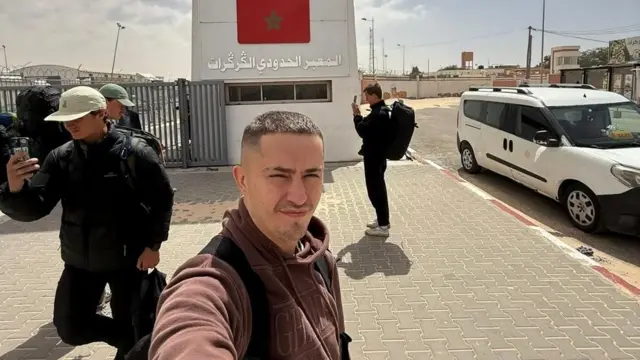
Tom Ruck, a 29-year-old traveler from Britain, recently visited Dakhla via a Ryanair flight from Madrid. He noted that while many resorts are being developed, they appeared largely vacant. He observed a few families on summer holidays but felt the tourism industry there was still in its early stages. Upon arrival, his passport received a Moroccan stamp, and he noted the Moroccan flag flying prominently throughout the city.
This expansion follows heavy investment by the Moroccan government in regional tourism infrastructure. While companies like Ryanair and Transavia France list Western Sahara destinations under Morocco, Binter Canarias differs by identifying the region as Western Sahara. Transavia France stated it operates flights to Dakhla according to official authorizations, while Ryanair declined to comment.
Erik Hagen of Western Sahara Resource Watch warned that labeling these areas as Moroccan is misleading and potentially harmful to international law. He suggested it raises questions about corporate responsibility in sensitive, occupied territories. Major booking platforms like Booking.com, Expedia, and Trivago also list Western Sahara hotels as being in Morocco. Booking.com noted it provides travel advice links to help users make informed decisions in conflict-affected zones, while Expedia declined to comment.
Dr. Andrea Maria Pelliconi, an international human rights law expert at the University of Southampton, argued that companies should distinguish Western Sahara from Morocco. She warned that failure to do so could lead to legal challenges regarding the right to self-determination for the Sahrawi people, as well as consumer protection and fair competition issues under EU law. Some changes are occurring; last year, Airbnb stopped listing Western Sahara properties as being in Morocco.
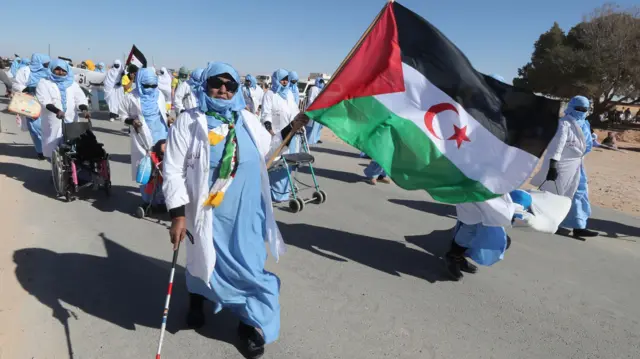
Western Sahara was a Spanish colony from 1884 until 1976. Following Spain’s departure, Morocco claimed the land, leading to an armed struggle with the Polisario Front, which seeks independence. A 1991 UN-brokered ceasefire was supposed to lead to a referendum, but it never materialized. Currently, the Polisario Front manages a small eastern strip of the territory.
Sidi Breika, the Polisario Front’s representative for the UK and Ireland, believes tourism is being used to create a “fait accompli” for Morocco’s claims. He stated that many visitors are unaware of the political context and argued that economic projects in the region violate Sahrawi rights. He added that the organization is monitoring airline activities closely and considering legal action.
In October, the UN Security Council voted to prioritize Morocco’s autonomy plan as a potential path forward, extending the local peacekeeping mission for another year. This shift followed the 2020 decision by the United States, under the Trump administration, to recognize Moroccan sovereignty in exchange for Morocco normalizing relations with Israel. Despite this, the international legal consensus remains focused on a UN-supervised political solution, a framework the Polisario Front continues to support while rejecting the autonomy proposal.