Morocco stands firm with Mali amid rising tensions with Algeria
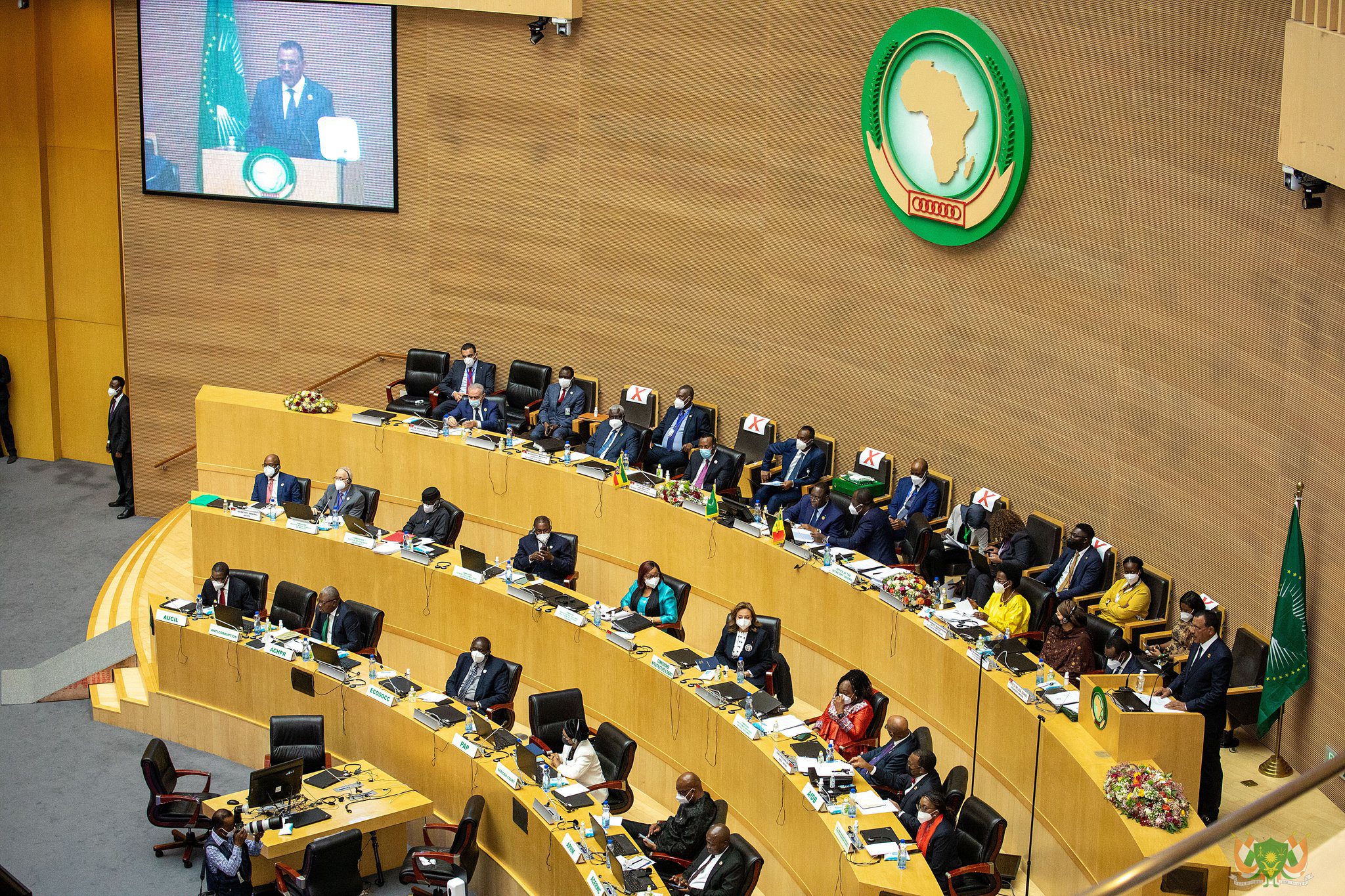
Morocco has once again demonstrated its unwavering commitment to Mali, reaffirming its solidarity before the African Union Peace and Security Council (AU PSC). The move comes in response to the devastating coordinated terrorist and separatist attacks that struck Mali last week, targeting both civilian and military areas.
Morocco’s swift response to Mali’s crisis
The Moroccan delegation at the AU PSC session condemned the assaults in the strongest terms, offering heartfelt condolences to the families of the victims and expressing full support for Mali’s sovereignty, stability, and territorial integrity. In a call for urgent action, the delegation urged the mobilization of funds to aid Mali’s recovery, emphasizing close coordination with Malian authorities.
This stance builds on Morocco’s immediate reaction following the attacks. A high-ranking diplomatic source in Rabat declared, “The Kingdom of Morocco strongly condemns these heinous acts, standing firmly with Mali in its fight against terrorism and separatism across the Sahel.”
Mali’s coordinated attacks: a regional security crisis
The assaults, unprecedented in scale, were carried out by militants from the al-Qaeda-affiliated Group for the Support of Islam and Muslims (JNIM) alongside Tuareg separatists from the Front for the Liberation of Azawad (FLA). Key cities such as Bamako, Kati, Kidal, and Gao were hit hard. Tragically, Malian Defense Minister General Sadio Camara was killed in a suicide bombing, while Junta leader General Assimi Goita remains unaccounted for. The strategic city of Kidal fell under rebel control as Russian mercenaries withdrew, as per an agreement with armed factions.
Algeria’s alleged role in Mali’s destabilization
While Morocco extends a helping hand to Bamako, analysts highlight what they describe as Algeria’s “shadow war” against Mali—a campaign of destabilization that has intensified since Mali’s recent sovereign decision to withdraw recognition of the self-proclaimed Sahrawi Arab Democratic Republic (SADR) and endorse Morocco’s autonomy plan for Western Sahara.
Algeria’s diplomatic strategy in Africa has long revolved around the Western Sahara conflict, using it as a tool to maintain influence in the Sahel. Bamako’s decision was seen as a direct challenge to Algiers’ regional dominance, prompting what many interpret as punitive retaliation through proxy warfare and coordinated attacks.
Algeria’s alleged support for separatist factions
Mali has repeatedly accused Algeria of harboring and supporting separatist groups, including the Polisario Front, which Algeria has been accused of arming and providing sanctuary to. Observers suggest that Algiers is replicating its destabilization tactics against Mali, following the same playbook used in Western Sahara.
Information warfare and propaganda
In tandem with the military offensive, Algeria’s media apparatus launched a coordinated disinformation campaign, amplifying separatist narratives, exaggerating casualties, and spreading unverified claims about Malian officials. This propaganda blitz coincided with Algeria’s domestic policy of suppressing news about terrorist threats within its own borders—a stark contrast to its regional aggression.
Morocco’s alternative approach to Sahel stability
Morocco’s Foreign Minister, Nasser Bourita, has consistently criticized Algeria’s coercive tactics, emphasizing that Sahel nations do not need “guardians” but rather “partners.” During a 2024 press conference in Rabat, Bourita stated, “Morocco firmly opposes the logic of blackmail and interference in the Sahel.” He added that Morocco’s approach is rooted in mutual sovereignty, offering expertise without political strings attached.
As tensions rise, Morocco’s solidarity with Mali underscores its commitment to regional stability, contrasting sharply with Algeria’s alleged destabilizing actions.
