
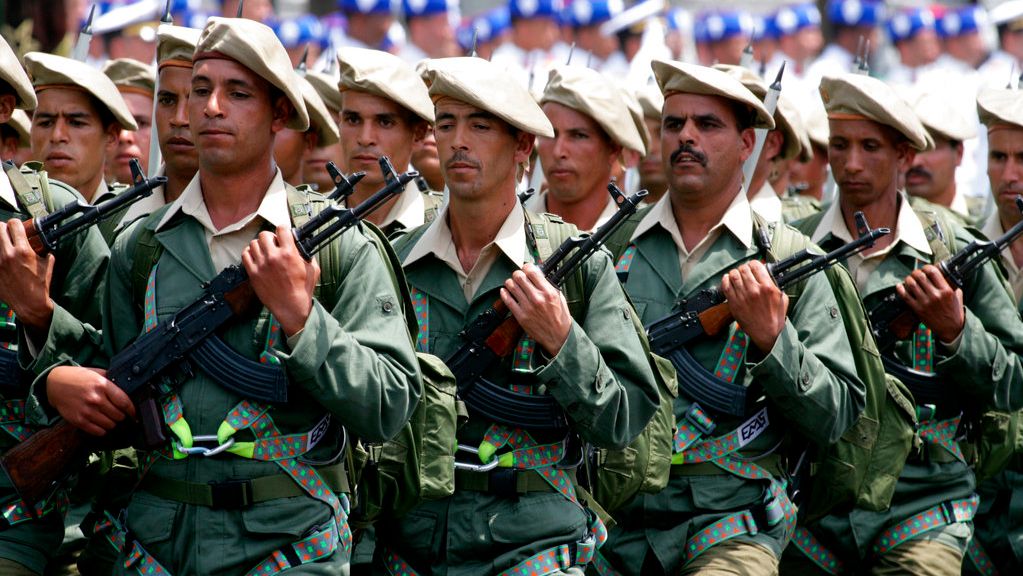
Rabat — The Kingdom of Morocco has formalized its commitment to the International Stabilization Force for Gaza, signing a key agreement in Rabat that paves the way for its participation in humanitarian and security efforts across the region.
The landmark accord was signed in the presence of Moroccan Foreign Minister Nasser Bourita, high-ranking defense officials, and Nikolai Mladenov, the peace council representative for Gaza, alongside a senior military delegation including the force commander.
Morocco’s strategic contribution to regional stability
Under the agreement, Morocco will deploy a robust contingent of personnel, including senior officers, gendarmerie members, and police forces. A dedicated field military hospital will also be established to provide critical medical support in Gaza.
This move builds on Morocco’s earlier pledge in February, when it became the first Arab nation to publicly commit to the stabilization initiative. Since then, Moroccan officers have already taken up positions at the force’s headquarters in southern Israel, actively participating in preparatory coordination.
Rafah zone to benefit from enhanced security measures
The agreement follows the inclusion of several other nations, including Albania, Kazakhstan, and Kosovo, in the international peacekeeping effort. Morocco is expected to be among the first to deploy troops on the ground.
Its forces will play a crucial role in securing a designated humanitarian pilot zone near Rafah, in southern Gaza. The area is intended to host temporary shelters and essential aid infrastructure, safeguarded by the international force.
timeline and challenges ahead
Despite the formalization of Morocco’s involvement, the actual deployment remains pending. Each contributing country must still finalize legal agreements with Israel to define the status of foreign military personnel in Gaza. Additionally, the timeline for establishing the Rafah humanitarian zone remains uncertain, with construction potentially not commencing until early 2027.
In the interim, small delegations from participating nations continue their preparations from a base in southern Israel. The international force is designed to support Gaza’s transition toward greater security, but its implementation hinges on broader negotiations regarding the disarmament of Hamas, the phased withdrawal of Israeli forces, and the establishment of a civilian administration.