Morocco faces highest risk in North Africa from Hormuz oil shock
Critical vulnerabilities uncovered in Morocco’s economic structure
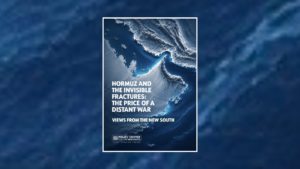
A groundbreaking study by the Policy Center for the New South (PCNS) reveals that Morocco stands as the most exposed North African economy to potential oil supply disruptions stemming from escalating tensions in the Strait of Hormuz. The findings, published in the collective work Hormuz and the Invisible Fractures: The Price of a Distant War, underscore the kingdom’s structural weaknesses in key sectors tied to energy dependencies.
The research, compiled by leading international economists including Abdelhak Bassou, Ferid Belhaj, and Hinh T. Dinh, examines the cascading effects of a hypothetical 20% surge in global oil prices—a scenario triggered by a crisis at Hormuz. Morocco’s agricultural, construction, and transportation industries emerge as particularly susceptible, with ripple effects likely to strain state finances and consumer purchasing power.
In stark contrast, neighboring Tunisia demonstrates relative resilience, maintaining a balanced economic impact across sectors, while Egypt could partially benefit from increased oil revenues. The study leverages input-output economic models to quantify these disparities, highlighting Morocco’s precarious position within the region’s energy landscape.
Global shifts and Africa’s energy security
The analysis extends beyond immediate economic impacts, framing the Hormuz crisis as a catalyst for broader geopolitical realignment. Contributors argue that the conflict signals a fragmentation of traditional global governance mechanisms, with Marcus Vinicius de Freitas noting the rise of a multipartite world order where crises are managed rather than resolved.
Ian Lesser focuses on transatlantic divisions, pointing to deepening rifts between the United States and European allies over military intervention and crisis response strategies. Meanwhile, experts warn of heightened risks to Africa’s energy security, particularly in the Sahel, where fragile supply chains and geopolitical instability intersect.
Strategic minerals and supply chain fragility
The report also highlights the growing role of strategic minerals in reshaping global power dynamics. As nations scramble to secure critical resources, the study calls for proactive strategies to mitigate vulnerabilities in energy and logistics networks—a message underscored by Rida Lyammouri in his analysis of African geopolitical shifts.
The PCNS warns that the Hormuz crisis is not merely a regional flashpoint but a harbinger of prolonged disruptions to energy markets, supply chains, and international cooperation frameworks. For Morocco, the findings serve as a stark reminder of the need for diversification and resilience in an era of escalating geopolitical volatility.
