Measles outbreak in Niger: causes and msf response
measles outbreak in Niger: causes and msf response
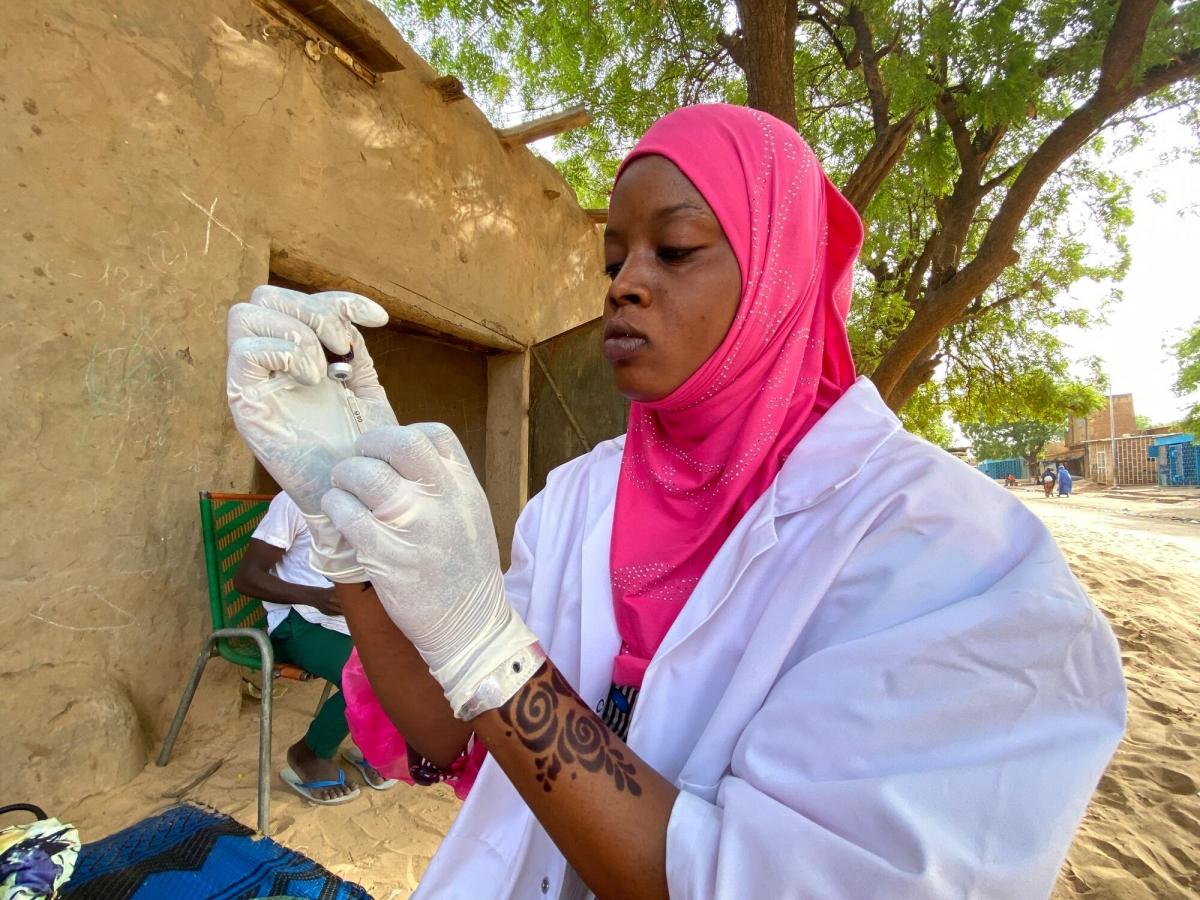
François Rubona, a medical coordinator for Médecins Sans Frontières in Niger, highlights the escalating measles crisis gripping the nation. Since February, MSF teams have been rolling out vaccination campaigns across multiple regions to curb early outbreaks. Here’s a closer look at the ongoing epidemic.
How severe is the measles epidemic in Niger?
Niger is currently facing a dramatic surge in measles cases, with numbers skyrocketing compared to last year. Official data from the Niger Ministry of Public Health reveals 3,213 confirmed cases in the first quarter of 2021 alone—nearly triple the 1,081 cases reported during the same period in 2020. By April, suspected cases had exceeded 6,000, including 15 deaths. Alarmingly, 27 of Niger’s 73 health districts are now classified as measles epidemic zones, with Agadez, Dosso, and Tahoua among the hardest-hit regions.
Measles remains one of the most contagious viral diseases globally and a leading cause of child mortality. The World Health Organization (WHO) recommends a 95% vaccination coverage to contain outbreaks. However, many health centers in Niger report coverage rates as low as 50%. In areas like Diffa, Tillabéry, and Tahoua, security instability has displaced populations, severely disrupting access to primary healthcare. The ongoing COVID-19 pandemic has further strained vaccination campaigns, compounding the crisis.
Challenges faced by MSF teams in combating measles
The emergence of COVID-19 in March 2020 sparked widespread fear, leading to a sharp decline in health center visits. Many mothers avoided routine vaccinations for their children, fearing exposure to the virus. The pandemic also depleted medical staff, as healthcare workers fell ill or were quarantined, further straining healthcare systems. With resources diverted to COVID-19 response, preventive measures like vaccinations were deprioritized.
Logistical hurdles compounded the crisis. Border closures and trade restrictions delayed the import of critical medical supplies, including vaccines. This year, MSF facilitated the delivery of nearly 700,000 vaccine doses to Niger to address the epidemic and bolster emergency preparedness.
Vaccine hesitancy has emerged as another critical challenge. In cities like Niamey and regions such as Tillabéry, misinformation linking measles and COVID-19 vaccines has deterred families from seeking immunization. MSF has intensified community engagement efforts to educate populations about measles, its severe health impacts on children, and the urgent need for vaccination to break transmission chains.
What does the future hold for Niger’s measles epidemic?
The situation remains dire, reflecting a broader decline in routine vaccination coverage and preventive healthcare. Similar trends have been observed in other diseases, such as meningitis, which has seen over 1,100 cases in the country. Without urgent action, the repercussions of this vaccination gap could persist for years.
As Niger braces for seasonal peaks in malaria and malnutrition, vigilance is critical. Last year’s malaria outbreak was particularly severe, extending well into January 2021—longer than usual. Combined with alarming food security projections and rising malnutrition rates, the need for heightened awareness—especially in less visible regions like Maradi and Zinder—cannot be overstated.
