Mali’s shifting military alliance with Russia and the Africa Corps’ struggles
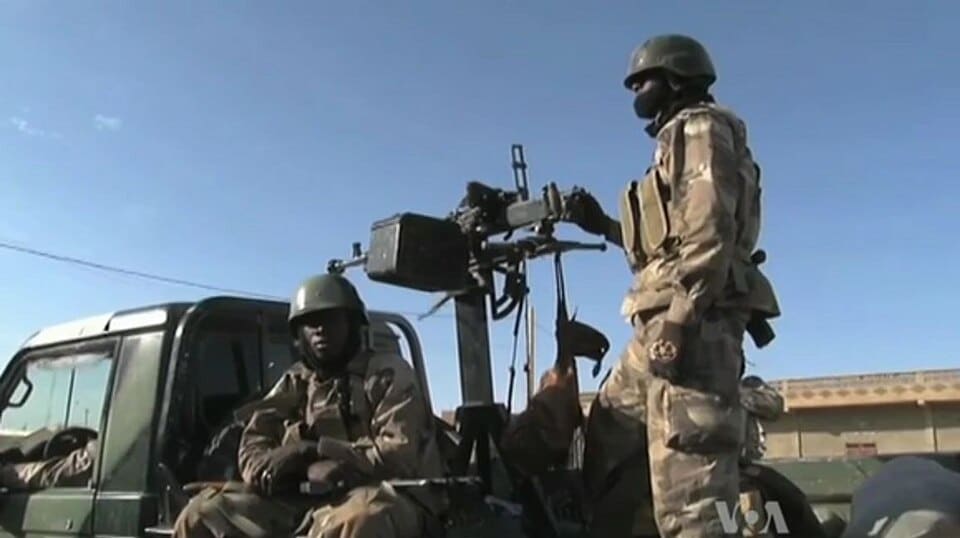
The ambitious partnership between Bamako and Moscow, aimed at restoring territorial control through the Africa Corps, is facing mounting challenges. Once hailed as a solution to Mali’s security crisis, this alliance is now showing clear signs of strain as repeated setbacks force a strategic overhaul.
From Wagner to Africa Corps: A troubled transition
The Africa Corps, Moscow’s official successor to the controversial Wagner Group, was deployed with high expectations. Yet, nearly a year after its establishment, the results fall far short of the promises made. While Bamako invested heavily in this military cooperation—securing substantial financial commitments and economic concessions in return—the strategy is now being revised under pressure from persistent failures.
Recent offensives by Islamist groups affiliated with the Group for Support of Islam and Muslims (GSIM) and the Azawad Liberation Front have exposed critical weaknesses. The coordinated attacks of early 2026 led to the withdrawal of Russian-Malian forces from key positions in Kidal, a symbolic blow to the goal of regaining control over northern Mali.
Initially, Mali’s leadership sought a rapid solution after severing ties with Western partners. However, the financial burden of this partnership has been substantial, with estimates suggesting annual costs in the tens of millions of dollars, alongside significant mining concessions granted to Russian entities. Despite these investments, military progress remains elusive.
Escalating violence fails to yield results
Faced with battlefield setbacks, reports of human rights violations by allied forces have surged. In late June 2026, disturbing accounts emerged from near Timbuktu, where Malian soldiers and Africa Corps members allegedly executed civilians and displayed a victim’s mutilated body in a Nazi-style formation. Additional reports described drone strikes killing motorcyclists in the same operation, though the Malian army has not addressed these allegations.
Days earlier, local sources documented at least twelve civilian deaths during a joint operation in the Timbuktu region, citing summary executions and looting without prior armed confrontation. These incidents add to a growing body of reports from human rights organizations and investigative journalists, accusing both Wagner and the Africa Corps of systematic abuses.
Such tactics, however, have not translated into military success. Armed groups continue to launch coordinated attacks, disrupt supply lines, and force Russian-Malian forces into reactive rather than proactive measures. The recent withdrawal from northern positions underscores the limitations of the current strategy, which now prioritizes the defense of Bamako and key infrastructure over territorial expansion.
For Mali’s leadership, which gambled on this alliance after abandoning international partnerships, the shift in strategy raises pressing questions. Years of cooperation and significant financial outlays have yet to deliver the promised security, while allegations of atrocities further tarnish the alliance’s reputation. The tactical adjustments by Moscow reflect not a strengthening of capabilities but an effort to mitigate the fallout of a campaign that has fallen far short of its original ambitions.
