
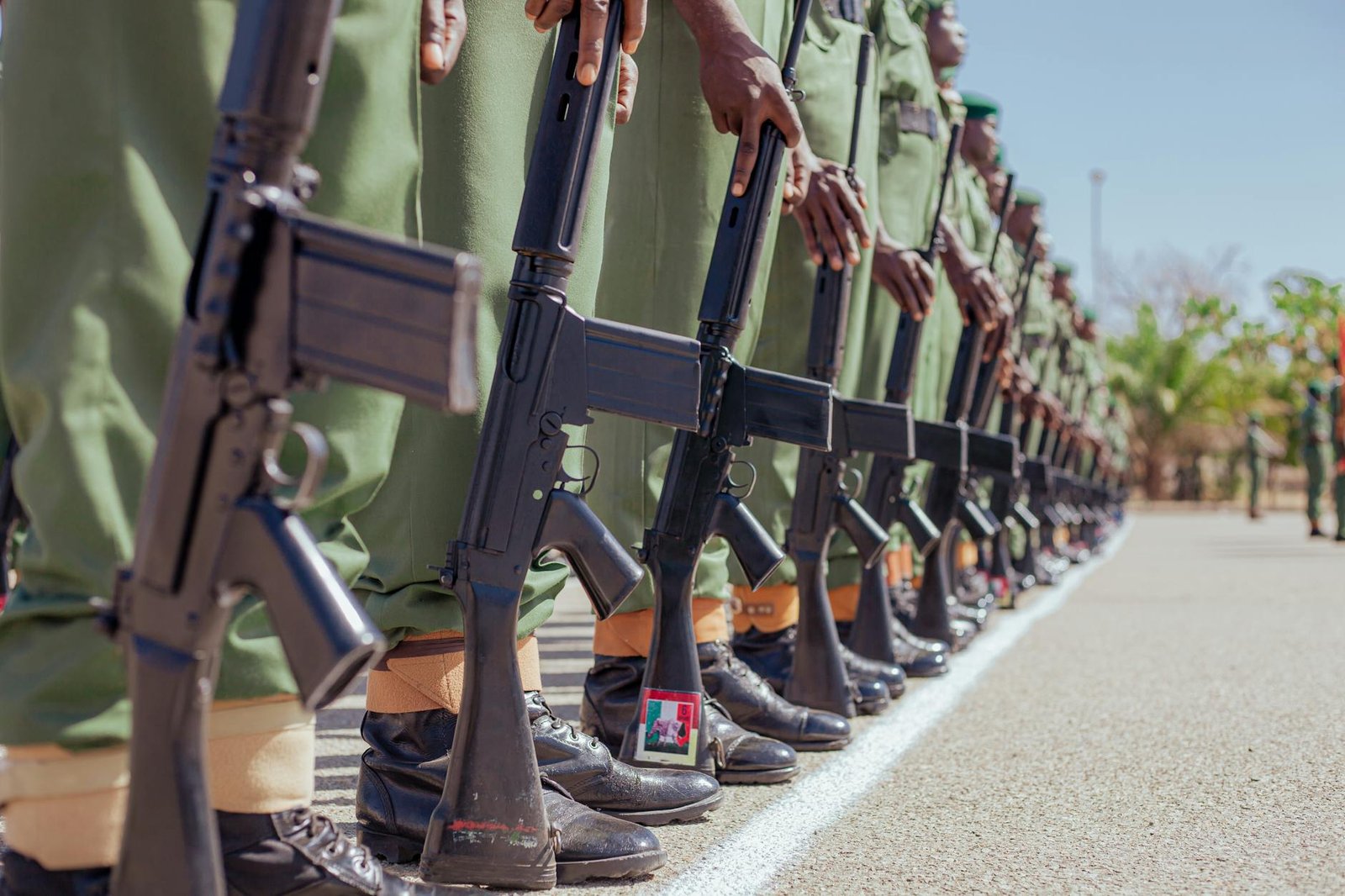
The Malian authorities have formally declared 39 military zones across the country off-limits to civilian populations. This sweeping measure, framed as a protective step for ongoing military operations, coincides with a sharp escalation in deployments by the Malian Armed Forces (FAMa) against terrorist armed groups in the northern and central regions. The decision reflects a broader strategy to secure key sites deemed critical for asymmetric warfare.
Military zones reshaping operational landscapes
The designation of these 39 zones marks a significant administrative action with far-reaching implications. Beyond traditional military installations such as barracks, airbases, and logistics hubs, the restrictions likely encompass operational corridors, forward operating bases, and locations hosting newly acquired aerial and ground assets. Since 2022, Mali has notably bolstered its military capabilities with the integration of aircraft and drones aimed at regaining tactical initiative. Safeguarding these high-value assets has become a top priority for the armed forces command.
This move also underscores a deliberate effort to tighten operational secrecy. In a conflict where human intelligence and monitoring of military movements are vital for adversaries, limiting civilian access to sensitive areas serves a counter-intelligence purpose. Authorities aim to curb information leaks that could facilitate complex attacks on military positions, similar to those that have targeted multiple garrisons in recent years.
Political messaging to citizens and partners
The announcement arrives at a pivotal moment as the military-led transition strengthens its grip on the security apparatus. With the withdrawal of the UN peacekeeping mission in late 2023 and the end of French operation Barkhane, Bamako has asserted full operational sovereignty. The country now relies on its own enhanced capacities, supported by partnerships with Russia and within the framework of the Alliance of Sahel States (AES), which includes Mali, Burkina Faso, and Niger.
For local communities, the restrictions carry tangible consequences. Limited access to certain areas may disrupt trade routes, pastoral movements, and agricultural activities, particularly in regions where military installations intersect with inhabited territories. Humanitarian organizations, already operating in a high-risk environment, will face even greater operational constraints. Clear communication with affected communities and precise demarcation of restricted zones remain pressing concerns.
Sahel security dynamics under scrutiny
Bamako’s decision aligns with a regional trend. Burkina Faso and Niger, fellow AES members, have similarly implemented measures to shield military infrastructure and regulate movement in sensitive areas. The convergence of security doctrines among the three nations signals a shared threat perception and a push for coordinated operational responses. This alignment extends to potential joint force deployments announced by the bloc’s leadership.
Yet, the strategy of militarized exclusion zones raises long-term concerns. The proliferation of restricted areas risks trapping portions of the territory in a state of perpetual exception, complicating civilian administration and economic recovery. Striking a balance between security imperatives and national cohesion proves increasingly challenging, especially in a nation where nearly two-thirds of the land has been affected by insecurity since 2012.
The implementation of these measures will be closely monitored by regional diplomats and international donors, who are keenly observing humanitarian access conditions and respect for civilian rights. How Bamako defines the exact boundaries of these zones, enforces compliance, and applies penalties for violations will shape perceptions of the policy both domestically and across Africa.