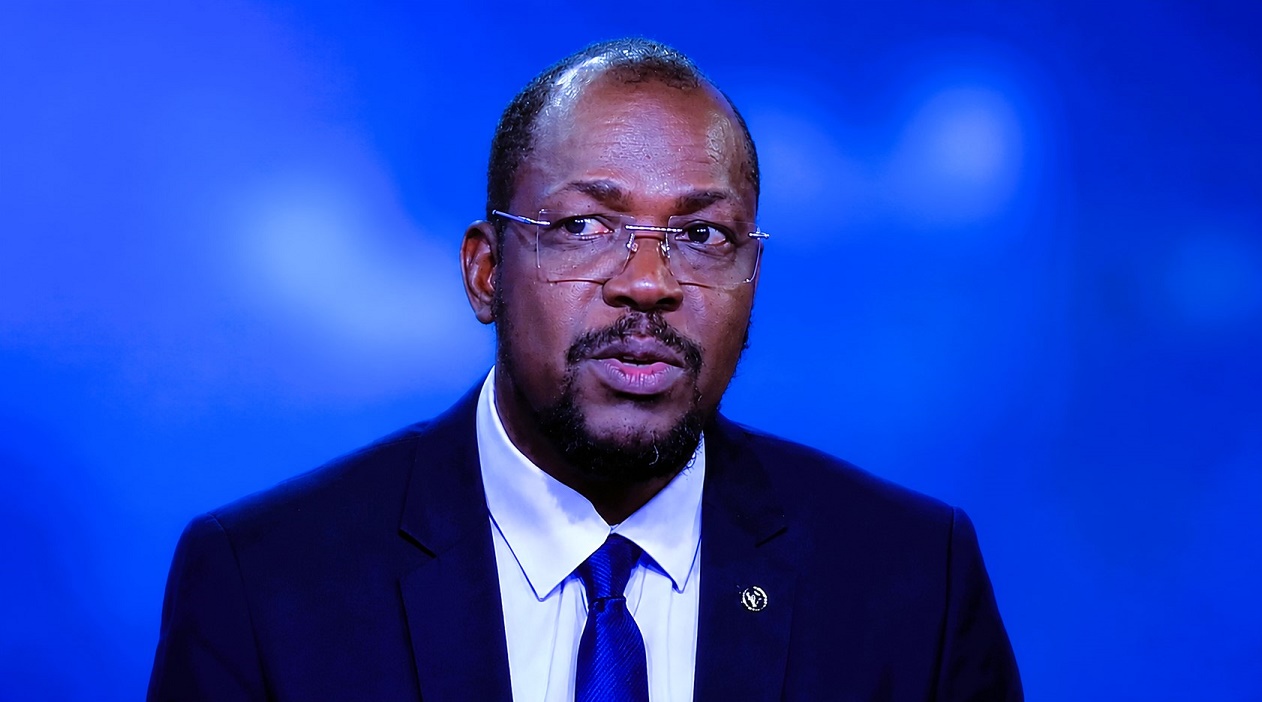
Mali politics: Étienne Fabaka Sissoko on dialogue and national unity
The question persists: Should dialogue be pursued with armed groups in Mali? Étienne Fabaka Sissoko, spokesperson for the Coalition des Forces pour la République (CFR), offers a clear stance: “Dialogue does not mean alliance.”
In a candid discussion, Sissoko outlines his vision for resolving Mali’s crisis, emphasizing the need for a political approach over military solutions. He critiques the ongoing blockade, which he argues exacerbates civilian suffering rather than addressing root causes. Bamako’s economic strain and fragile supply chains highlight the urgency of a strategy that prioritizes national sovereignty and public welfare.
Why dialogue over confrontation?
Sissoko stresses that dialogue is not surrender—it is a pragmatic tool to end violence and restore stability. The CFR, though young, reflects a growing demand for a responsible Malian alternative. Unlike traditional parties, the movement positions itself as a civil platform focused on safeguarding the nation, not power consolidation.
Key concerns include:
- Rebuilding trust in institutions: The Malian people, exhausted by years of conflict, seek credible leadership capable of breaking the cycle of instability.
- Rejecting partition: The CFR firmly opposes any territorial division, advocating instead for a republican framework that addresses governance gaps through political means.
- Clarifying relationships with armed actors: While the CFR engages in dialogue with groups like the Front de Libération de l’Azawad (FLA), it rejects the notion of being their political arm. “We discuss, but we do not coordinate actions,” Sissoko asserts.
A transition rooted in legitimacy
With Mali’s recent offensives raising fears of state collapse, Sissoko addresses the CFR’s preparedness for transition. The movement envisions a civilian-led safeguard transition, not a military takeover. Priorities include:
- Restoring public freedoms and security.
- Launching a national dialogue to draft a new Constitution.
- Organizing elections as the culmination, not the starting point, of the process.
Sissoko cautions against legitimizing armed groups unconditionally. “Victory by one faction does not grant automatic authority to dictate Mali’s future,” he states. The CFR’s red lines are non-negotiable: preserving Mali’s unity, upholding republican values, protecting fundamental freedoms, and severing ties with transnational jihadist agendas.
Role of faith and governance in Mali’s future
The debate over Islamic law often overshadows deeper issues. Sissoko rejects the CFR’s association with Sharia, instead proposing a decentralized republic that integrates local mediation within constitutional bounds. The focus must shift from caricatures to tangible governance reforms, including:
- Empowering territorial collectives with resources and responsibilities.
- Ensuring democratic control over power and revenue distribution.
- Maintaining state sovereignty while addressing regional disparities.
The imam Mahmoud Dicko, often cited as a moral authority, would play a facilitative role—not executive power. “Legitimacy must come from the people, not from religious or military figures,” Sissoko emphasizes.
Concrete steps for rebuilding Mali
The CFR’s transition program targets immediate crises:
- Education: Reopening schools and supporting teachers.
- Justice: Strengthening an independent judiciary and ensuring accountability.
- Security: Professionalizing forces and securing economic corridors.
- Economy: Restoring access to essential services like energy and food.
Sissoko dismisses the notion of a strongman saving Mali. Instead, he champions a national pact—a collective commitment to transition, reform, and the restoration of democratic choice.
