
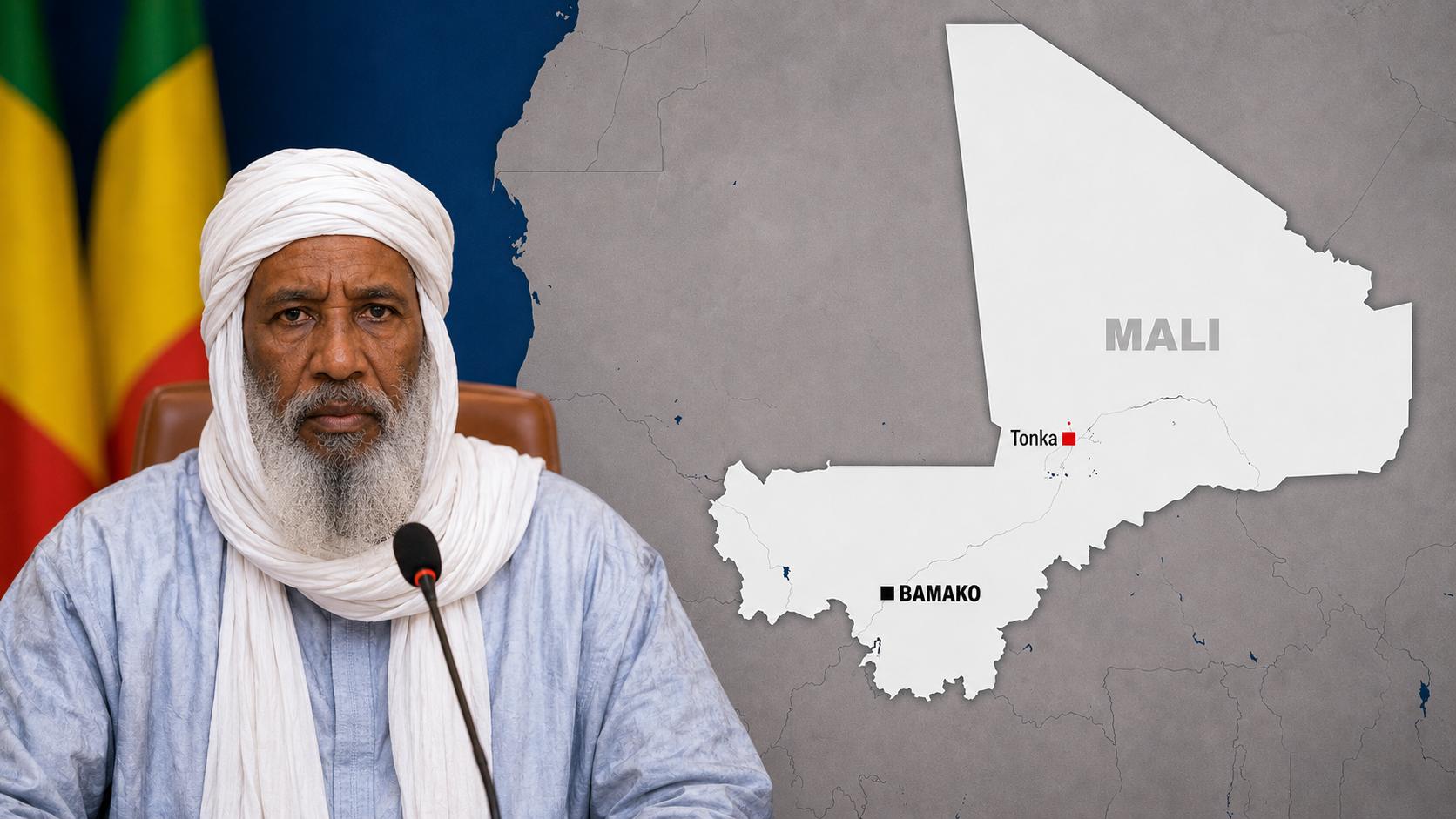
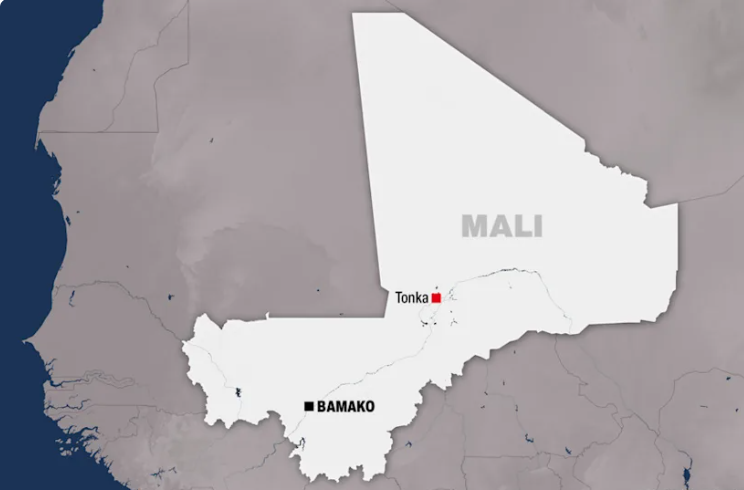
The latest attack attributed to the Group for the Support of Islam and Muslims (JNIM) has once again plunged Mali into mourning, highlighting the persistent insecurity gripping several regions of the country. Armed assailants targeted a remote Malian locality, leaving numerous civilians dead and triggering fresh waves of displacement.
Despite intensified military operations in recent months, armed groups continue to demonstrate their ability to strike in areas far from major urban centers. This latest assault underscores the challenges authorities face in establishing lasting security across the nation.
The violence is no longer confined to active conflict zones. The assassination of prominent Malian blogger and influencer Mariam Cissé, widely believed to be the work of JNIM operatives, has sent shockwaves through public opinion. Known for her vocal support of the Malian Armed Forces on social media, she was reportedly abducted before her execution by jihadist fighters. Beyond the human tragedy, this incident reveals the extremists’ strategy of instilling fear by targeting not only security personnel but also civilians and public figures whose views clash with their ideology.
Since seizing power, the Malian transitional government has prioritized military capacity-building. Acquiring advanced weaponry, forging security partnerships, and escalating ground operations reflect a clear intent to regain the upper hand against jihadist factions. Yet, the frequency of attacks—and targeted killings like that of Mariam Cissé—raises doubts about the sufficiency of a purely military response.
Many analysts argue that combating extremism requires more than arms procurement or troop deployments. While these measures are vital for protecting civilians and reclaiming territory, they fail to address the root causes of instability.
Factors such as crumbling school infrastructure, unequal access to education, youth unemployment, and economic despair are frequently cited as drivers of militant recruitment. In response, experts emphasize investing in accessible, high-quality education as a critical tool for weakening extremist influence over time.
The Malian government’s challenge is twofold: sustaining efforts to bolster defense capabilities while implementing public policies that meet citizens’ needs. A comprehensive strategy merging security, education, local development, and governance could pave the way for more resilient solutions in a crisis that has destabilized Mali and the wider Sahel for over a decade.
The spate of civilian massacres and targeted killings exposes a grim reality: the threat now extends beyond armed clashes to include any voices perceived as opposing extremist agendas. Observers warn that Mali’s stability hinges not only on its military’s ability to contain jihadist groups but also on the state’s capacity to restore institutional trust, empower its youth through education and employment, and foster inclusive civic participation.