
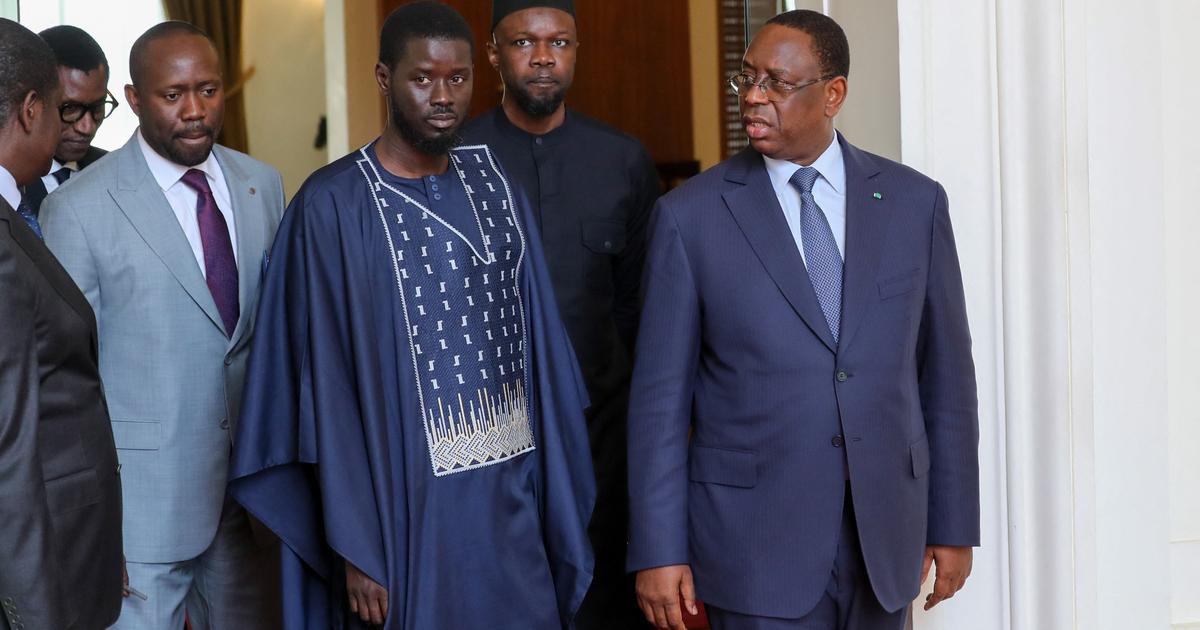
On Friday, July 17, at 3:00 PM, a special flight carrying former Senegalese President Macky Sall landed at Dakar’s military airport, signaling a swift and highly calculated return to the country he once led for twelve years.
His “express visit” was packed with urgency: a private meeting at the Presidential Palace immediately after touchdown, followed by a departure for New York by 6:00 PM the same evening. This was no ordinary homecoming, as confirmed by multiple sources. Macky Sall did not return merely to reconnect with familiar streets or old allies. Instead, he arrived as a candidate vying for the top post at the United Nations, seeking the crucial backing that Senegal has so far withheld.
A former head of state stepping onto national soil under such circumstances inevitably stirs reactions. For some, it’s an opportunity to reflect on a legacy; for others, it’s a reminder of controversies that have shadowed his final years in office. The Pastef movement, which secured victory in the 2024 presidential election, has been vocal in demanding accountability from past leaders. While Macky Sall has not faced direct legal proceedings, allegations surrounding hidden public debt and political unrest between 2021 and 2024 continue to fuel debate. His presence has reignited questions about the nation’s reckoning with its recent past.
Just twelve months ago, his former Prime Minister—once a close ally—found himself navigating a very different political landscape. The shifting tides of power have left many wondering: what does Macky Sall‘s return truly signify for Senegal?