
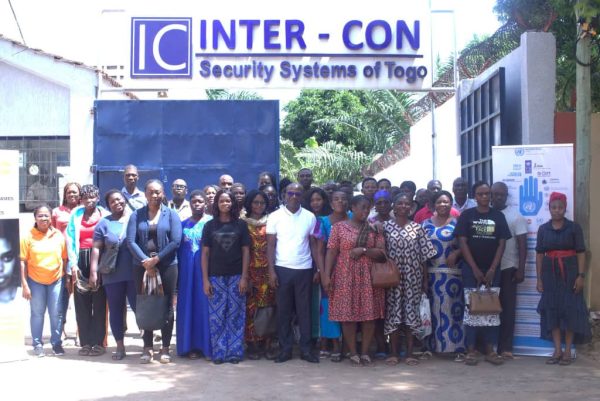
In Lomé, 95 agents from Intercon Security, a provider for the United Nations system, completed an intensive training program focused on preventing sexual abuse and promoting disability inclusion. This initiative aligns field security operations with the UN’s core ethical values.
Ground-level guardians uphold human dignity
Ensuring the physical safety of diplomatic facilities is just one facet of security; embodying the principles of respect and human dignity is equally vital. The UN Resident Coordinator’s Office in Togo, in partnership with UNFPA-Togo, conducted a landmark training session on June 25 and 27 in Lomé, addressing the dual mandate of safeguarding people and upholding ethical standards.
The 95 security personnel from Intercon Security, who serve as the frontline protectors for UN agencies across the country, underwent rigorous instruction in international human rights and professional ethics frameworks.
Core pillars of the PSEA framework
On the frontlines, security agents are more than gatekeepers—they are the first point of contact for the public, partners, and vulnerable individuals. Given these responsibilities, the United Nations enforces a zero-tolerance policy for misconduct.
The two-day program centered on the Protection from Sexual Exploitation and Abuse (PSEA) framework and combating Gender-Based Violence (GBV). Through practical case studies and legal reviews, participants explored four essential areas:
- Mastering foundational norms: Internalizing the UN’s strict ethical code that governs every professional interaction.
- Implementing best practices: Translating theoretical principles into flawless daily conduct.
- Recognizing prohibited behaviors: Identifying subtle warning signs and red flags such as harassment, abuse of power, and discrimination.
- Navigating reporting channels: Understanding and utilizing internal reporting mechanisms while ensuring confidentiality and victim protection.
« Upholding the rights and dignity of every individual—especially the most vulnerable—isn’t optional. It’s everyone’s responsibility, beginning with those tasked with protecting our spaces. » — Training organizers’ guidance note
Building inclusive security environments
Participants also learned protocols for welcoming and assisting individuals with disabilities, ensuring UN facilities remain universally accessible, safe, and inclusive spaces.
By investing in the training of its frontline security partners, the UN system in Togo underscores a critical truth: true security extends beyond physical infrastructure to the integrity, professionalism, and inclusivity of those who enforce it.