
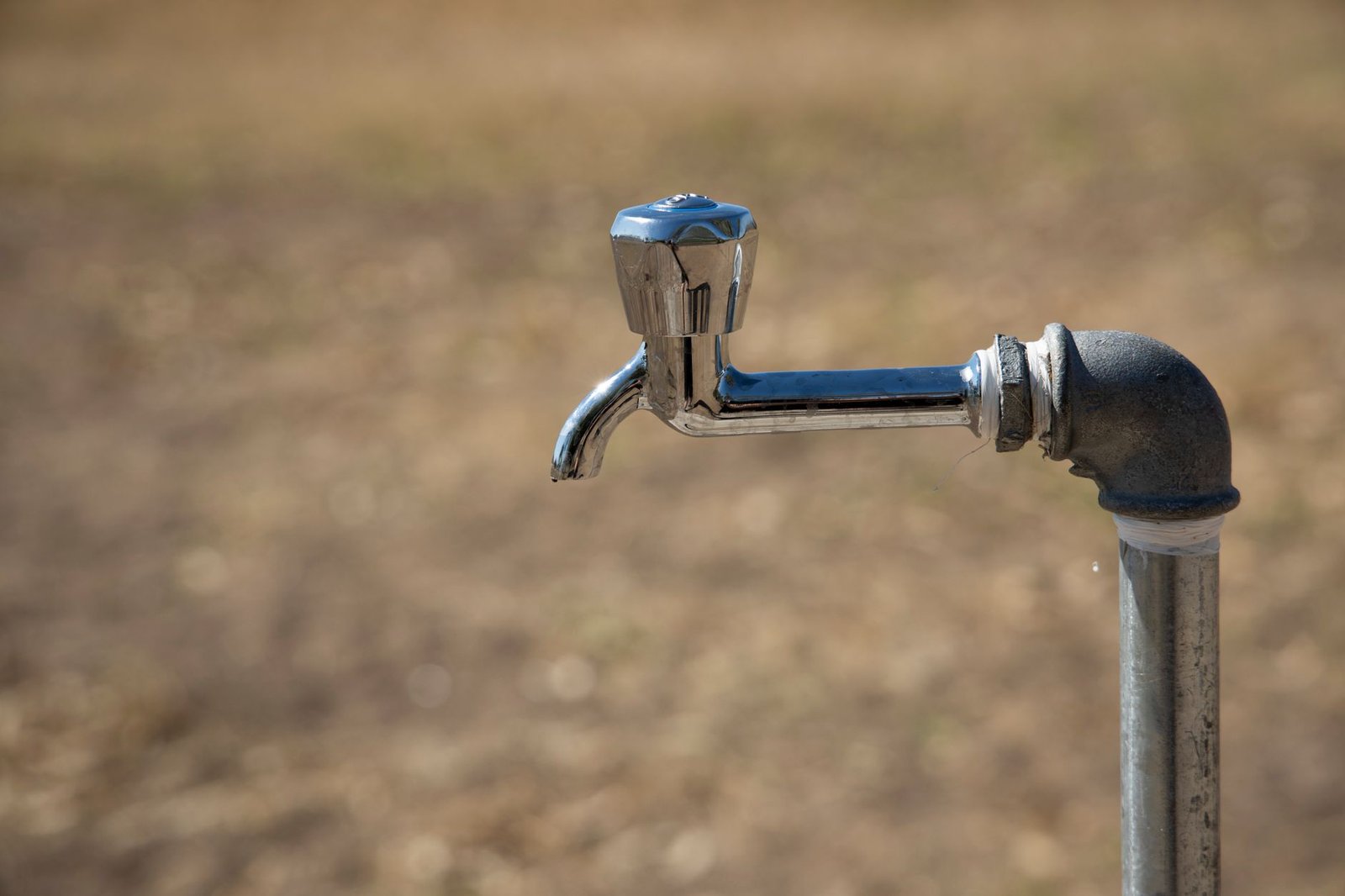
Libreville is grappling with an unprecedented water shortage that has escalated into a full-blown hydric emergency. Residents endure days without running water, while long queues form at the few remaining distribution points. The scarcity has driven up the price of water sold in plastic jugs across working-class neighborhoods, with locals comparing the situation to the scarcity of a 10,000 CFA franc bill—a telling reflection of the frustration gripping the capital.
Two primary factors are driving this crisis to its breaking point. First, an unusually weak rainy season has drastically reduced water levels in reservoirs and intake points that supply the Greater Libreville area. Second, the city’s aging water infrastructure—long neglected—suffers from excessive leakage in pipelines and underperforming treatment plants. The combined effect leaves the system unable to cope with even minor disruptions, pushing it to the brink of collapse.
An outdated network threatens Gabon’s water sovereignty
The water crisis in Libreville lays bare the shortcomings of Gabon’s approach to managing essential services. For years, water distribution fell under the purview of the Société d’énergie et d’eau du Gabon (SEEG), but successive state interventions, contract disputes, and policy shifts failed to establish a consistent investment strategy. With the capital’s population exceeding 700,000—and still growing—demand has outpaced production capacity. Today, even minor water stress triggers hydric load-shedding in peripheral districts.
The political transition following the August 2023 regime change has placed this issue at the forefront of national priorities. The new leadership faces a tight window to demonstrate tangible progress. The declaration of a hydric emergency in Libreville has unlocked rapid public resource mobilization, equipment requisition, and interministerial coordination. However, lasting solutions will require a credible multi-year investment plan rather than stopgap measures.
Social unrest in Libreville tests the transition’s resolve
On the ground, residents are improvising solutions. Government-chartered water tankers, sporadic municipal distributions, private boreholes, and jug resale markets have become the norm. Businesses, hotels, and hospitals are also feeling the strain, with operational disruptions translating into diffuse but real economic costs. In healthcare facilities, the lack of water heightens hygiene risks and fuels concerns over waterborne disease outbreaks.
Authorities are rolling out short-term fixes: expediting repairs at treatment plants, importing pumping equipment, and tapping into groundwater reserves. Yet the financial burden of these measures looms large. Multilateral lenders, including the African Development Bank and the World Bank, have historically funded water projects in Greater Libreville. Their renewed involvement will depend on clear governance reforms and a defined role for the incumbent operator.
Gabon’s crisis mirrors a wider climate warning
Libreville’s struggle is part of a broader trend affecting major cities in Central and West Africa. Kinshasa, Brazzaville, Douala, and Abidjan all face recurrent water access challenges, driven by rapid urban population growth, underinvestment, and intensified climate variability. For Gabon—a country long viewed as water-rich due to its vast forest cover—the current crisis is a stark reality check.
Exiting this emergency will demand three key actions: rehabilitating existing infrastructure, diversifying water sources, and overhauling the institutional framework governing public water services. With political timelines tight, swift execution is critical—otherwise, public frustration could reshape the trajectory of upcoming elections. The weak rainfall and deteriorating infrastructure remain at the heart of this unprecedented crisis for Gabon’s capital.