
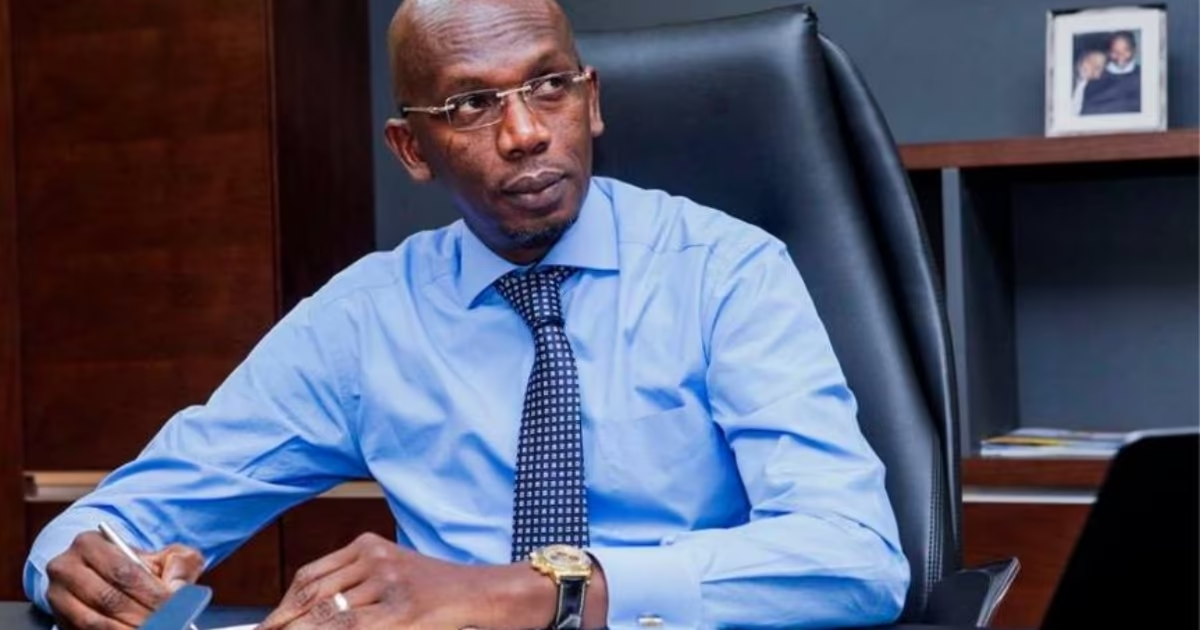
Following Senegal’s political transition, the former ally turned critic reveals why he declined a prestigious government position to uphold his principles.
From alliance to opposition: the breakdown with Ousmane Sonko
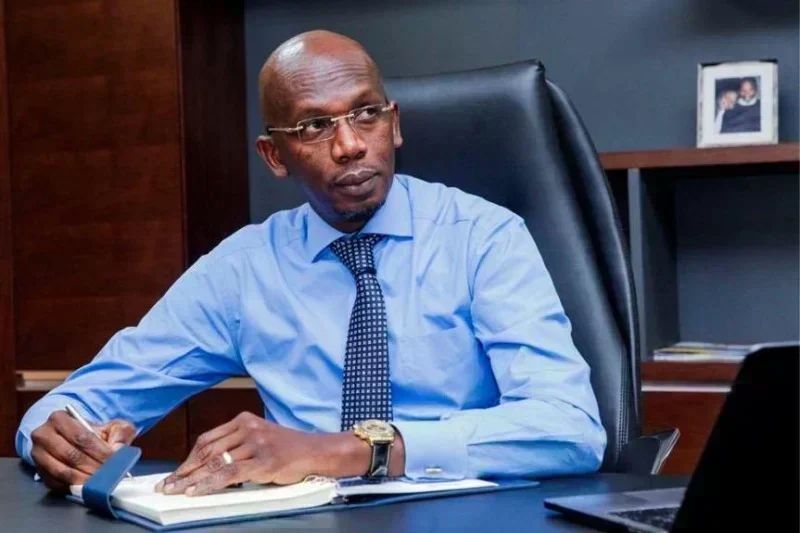
Once a prominent figure within Ousmane Sonko’s inner circle, Lansana Gagny Sakho now serves as a key member of Kiiraay, the party supporting President Bassirou Diomaye Faye. In a candid television appearance, the former chair of the APIX board delivered a scathing assessment of his former mentor, accusing him of abandoning republican values.
Sakho explained that his initial alignment with Sonko stemmed from admiration for the individuals behind the political project. However, he emphasized that his decision to walk away from the movement was guided by an unwavering commitment to institutional integrity. “I refused to compromise my principles for political office. That decision ultimately made my departure straightforward,” he stated during the broadcast.
A fundamental disagreement over governance
While Sakho acknowledged the challenges faced during Senegal’s transition, he defended the progress achieved, particularly in strengthening the judiciary. He dismissed claims that Sonko’s public statements had undermined state authority, pointing to instances where the opposition leader’s remarks—made during the President’s official visits abroad—created unnecessary friction within the government.
“Ousmane Sonko has never prioritized the Republic,” Sakho asserted. “His actions have consistently deepened divisions at the highest levels of the state.”
He contrasted this with his own approach, framing it as a defense of democratic institutions. “The true political choice lies in preserving our institutions and ensuring the state functions effectively,” he argued.
Judicial independence under scrutiny
Sakho also addressed recent changes at the Ministry of Justice, where the former minister Ousmane Diagne had publicly declared his independence from external influence. According to Sakho, the minister’s removal was an attempt to install a more pliable leader—one who would sway judicial decisions. “They underestimated the magistrates’ resolve,” he remarked. “Judges are not puppets. The realities of governance are far more complex than opposition rhetoric suggests.”