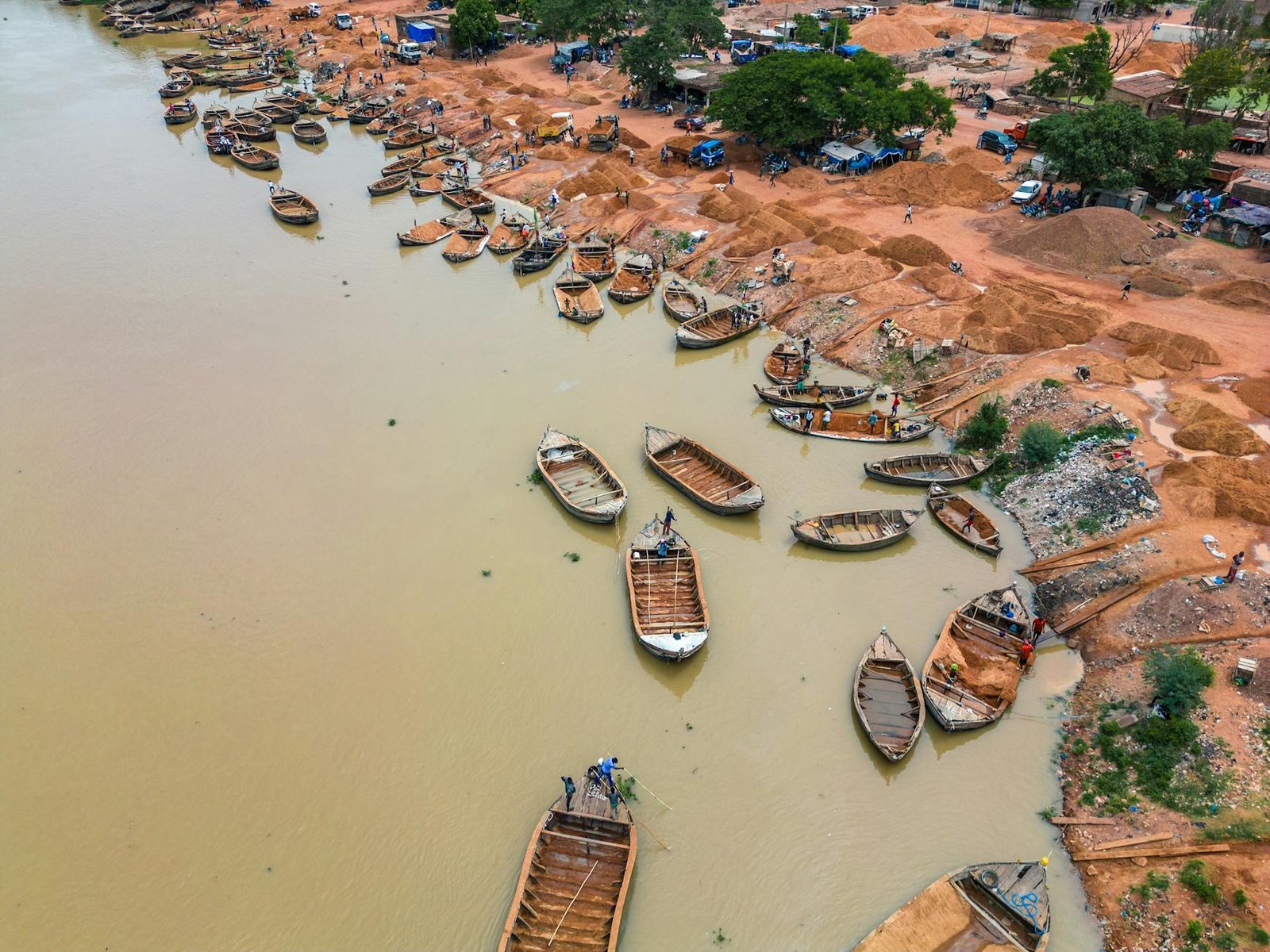
Jihadist blockade chokes Bamako ahead of Tabaski festivities
The jihadist blockade tightening its grip on Bamako since late April is transforming the lead-up to Tabaski 2026 into a profound ordeal for countless Malian families. The Group for the Support of Islam and Muslims (JNIM), an al-Qaeda-affiliated Sahelian faction, has effectively sealed off the capital’s primary supply routes. This disruption has severely impacted the flow of sacrificial sheep, essential foodstuffs, and vital fuel as one of the most significant religious observances in the Sahelian calendar approaches. The Eid al-Adha celebration, scheduled for Wednesday, May 27, unfolds this year amidst an atmosphere of scarcity seldom witnessed in Bamako, Mali.
A jihadist blockade paralyzing supply routes
For several weeks, JNIM fighters have systematically targeted commercial convoys connecting Bamako to the productive southern and western regions, as well as to the borders with Côte d’Ivoire, Sénégal, and Mauritania. Dozens of trucks have been set ablaze on the main arteries leading into the capital, deterring transporters and merchants from risking travel without military escort. While the Malian army accompanies certain high-priority convoys, preventing a complete hermetic seal, the overall pace of deliveries has plummeted. This strategy of economic encirclement marks a tactical shift. JNIM, long confined to rural areas in the center and north, is now redirecting its operational focus towards the capital’s logistical lifelines. By striking the supply chain, the group directly impacts the purchasing power of urban households and challenges the legitimacy of the transitional authorities, who are struggling to guarantee the free movement of goods in this critical period for Mali current affairs.
Tabaski sheep: a barometer of an economy under strain
At Bamako’s livestock markets, the contrast with previous years is stark. Enclosures are sparsely populated, with fewer herders from the central Sahel or the Kayes and Koulikoro regions willing to undertake the perilous journey. Prices have naturally surged, placing the sacrificial sheep out of reach for a growing number of families. For many residents of Bamako, securing an informal loan or pooling resources with relatives has become the sole method to honor the religious rite. The price hikes extend beyond livestock. Basic commodities such as oil, sugar, and traditional condiments typically consumed during the festivities are also seeing their prices soar. This food inflation exacerbates an already eroded purchasing power, a consequence of several years of regional sanctions, the gradual withdrawal of Western partners, and budgetary reallocations towards military efforts. Modest households, which form the backbone of the urban population, absorb the shock by reducing quantities, sharing purchases, or simply foregoing certain festive items.
Electricity outages and daily fragility
Compounding the food crisis is a chronic electricity shortage. Société Énergie du Mali (EDM-SA), grappling with hydrocarbon supply difficulties and an aging production infrastructure, has intensified load shedding. Power cuts lasting several hours, sometimes exceeding half a day, complicate meat preservation after the sacrifice, weaken small neighborhood businesses, and strain the social cohesion of a holiday traditionally marked by family reunions and sharing. Fuel, largely dependent on Ivorian and Senegalese corridors for its transit, is also experiencing soaring prices on the parallel market. Service stations are witnessing prolonged queues, and supply disruptions are cascading across sectors: urban transport, deliveries, and generators for businesses and hospitals. Despite these challenges, authorities, mindful of the risk of unrest, continue to issue reassuring communications, though they have yet to rapidly resolve the persistent bottlenecks in Bamako, Mali.
A political test for the Malian transition
For Mali’s transitional authorities, Tabaski 2026 represents a critical test of credibility. Their ability to secure even the primary import corridors has become an issue of sovereignty as much as social stability. Several regional analysts highlight that JNIM’s strategy of economic asphyxiation mirrors tactics successfully employed in neighboring Burkina Faso, where secondary cities like Djibo have endured similar blockades for months. This situation is closely watched in West Africa Mali news. In practical terms, the celebration will unfold in a subdued atmosphere, far removed from the effervescence of previous editions. Beyond its religious symbolism, it is Bamako’s resilience against asymmetric warfare that is truly being tested in its livestock markets and fuel stations, a significant challenge for Mali politics English observers.
