Inside the presidency: how president bassirou diomaye faye halted ousmane sonko’s move
Inside the presidency: How President Bassirou Diomaye Faye halted Ousmane Sonko’s parliamentary victory
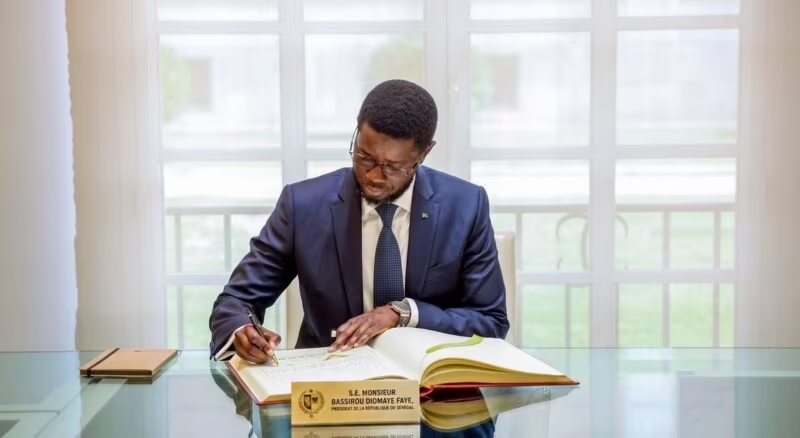
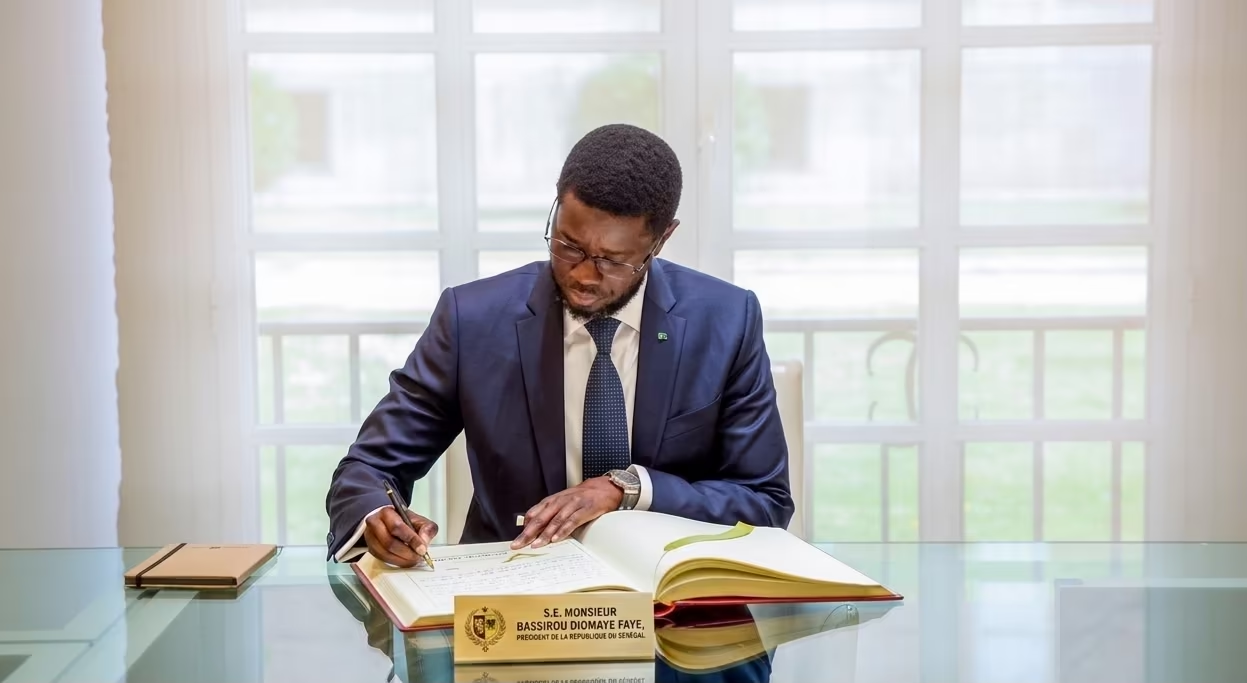
The political landscape in Senegal has shifted dramatically after President Bassirou Diomaye Faye decided to bypass parliamentary approval for the constitutional reform by opting for a national referendum. This strategic move has not only upended the opposition’s parliamentary victory but also reignited the national debate on constitutional amendments.
Parliament bows to majority, but the presidency changes the game
With 129 votes in favor, the National Assembly seemed poised to endorse the constitutional reform bill, securing a clear victory for the ruling party. However, the final decision rested not with legislators but with the presidency. Justice Minister Moussa Sarr revealed that President Faye chose to invoke Article 103 of the Constitution, bypassing parliamentary promulgation in favor of a public vote. This bold decision effectively neutralized the opposition’s parliamentary triumph, reshaping the balance of power between the executive and legislative branches.
The initial parliamentary process appeared seamless. Despite government objections to several amendments, the majority coalition pushed through the version approved by committee, reinforcing their political agenda. Yet, behind closed doors, President Faye made a decisive intervention that altered the course of events entirely.
The referendum route: a strategic pivot
The president’s decision to submit the reform to a referendum introduces a new layer of complexity to the constitutional debate. By bypassing the National Assembly, Faye has prioritized direct public consultation, signaling a shift toward greater democratic participation. This move has intensified discussions about the legitimacy and necessity of the reform, with proponents arguing for broader public endorsement and critics warning of potential instability.
The opposition, led by key figures such as Ousmane Sonko, now faces a restructured political battleground. Their parliamentary success, though significant, has been overshadowed by the presidency’s strategic pivot. The referendum process will now determine whether the reform garners the public’s support, potentially redefining Senegal’s constitutional future.
What’s next for Senegal’s constitutional reform?
The coming weeks will be critical as both sides prepare for the referendum campaign. President Faye’s decision has set the stage for a high-stakes national dialogue, where public opinion will ultimately shape the outcome. As the political elite recalibrate their strategies, citizens will play a decisive role in determining the fate of the constitutional reform.
