
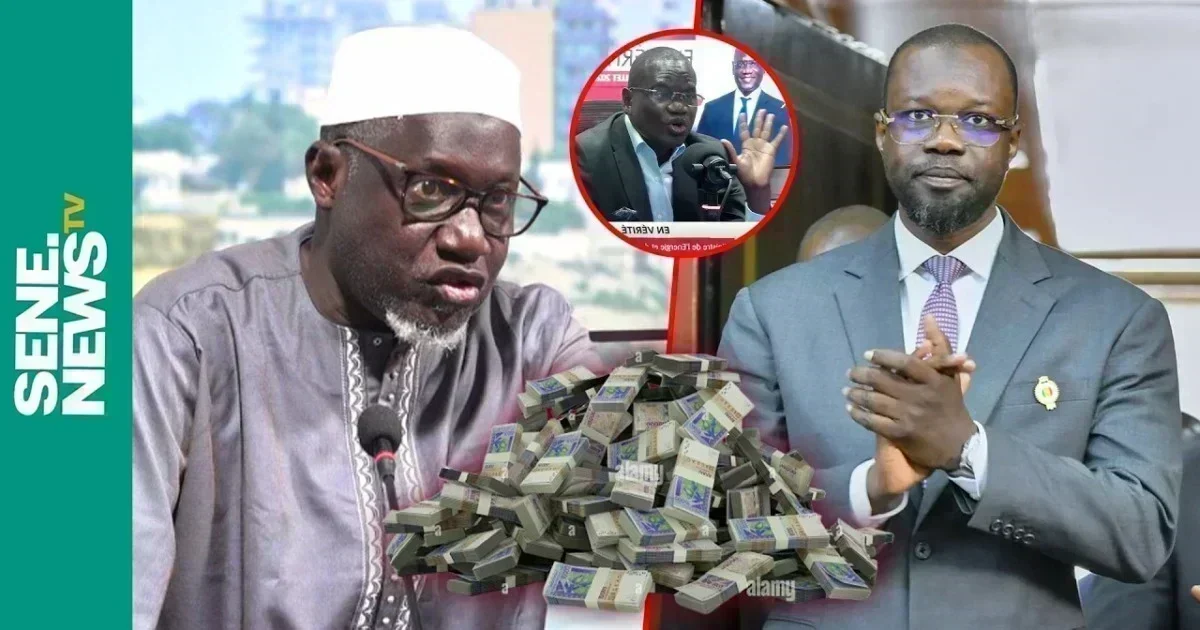
The political landscape in Dakar remains a hotbed of vigorous discussions, and Imam Kanté’s latest intervention sheds fresh light on the ongoing tensions surrounding Ousmane Sonko. This response marks another significant chapter in a series of high-stakes exchanges that continue to shape the nation’s discourse.
Why Imam Kanté’s reply carries weight in Senegal’s political arena
In a move that has captured widespread attention, Imam Kanté has addressed recent statements made by Moundiaye Cissé regarding Ousmane Sonko. The religious leader’s intervention comes at a pivotal moment, offering a perspective that blends spiritual insight with political analysis. His remarks have sparked renewed debate about the future direction of the country’s leadership and the role of influential voices in shaping public opinion.
The exchange highlights deeper questions about governance, accountability, and the evolving dynamics between religious figures and political actors in Senegal. Imam Kanté’s response is not just a reaction to a single statement but a reflection of broader concerns about the nation’s trajectory in an era of heightened political awareness.
Key takeaways from the Imam’s statements on Ousmane Sonko
- Clarity in a polarised climate: Imam Kanté’s intervention provides a measured counterpoint to recent controversies, emphasizing the need for dialogue and reconciliation in a climate often marked by sharp divisions.
- Spiritual leadership in political debates: His involvement underscores the growing influence of religious leaders in national discussions, bridging the gap between faith and governance.
- A call for responsibility: The Imam’s remarks implicitly urge political figures to prioritize the nation’s interests over personal or factional agendas, reinforcing the idea that leadership carries a moral obligation.
The broader implications for Senegal’s political future
This public exchange is more than a headline—it is a microcosm of the challenges and opportunities facing Senegal today. As the country navigates complex socio-economic and political landscapes, the voices of respected figures like Imam Kanté play a crucial role in shaping the narrative. His response to Moundiaye Cissé’s comments is a reminder that leadership is not confined to political offices but extends to those who wield moral authority.
The debate also raises important questions about the balance between criticism and constructive engagement. In a nation where political affiliations often run deep, Imam Kanté’s intervention serves as a call for unity and introspection, urging all parties to consider the greater good.
The conversation is far from over, and the impact of Imam Kanté’s words will likely resonate in the coming weeks and months as Senegal continues to evolve politically.