
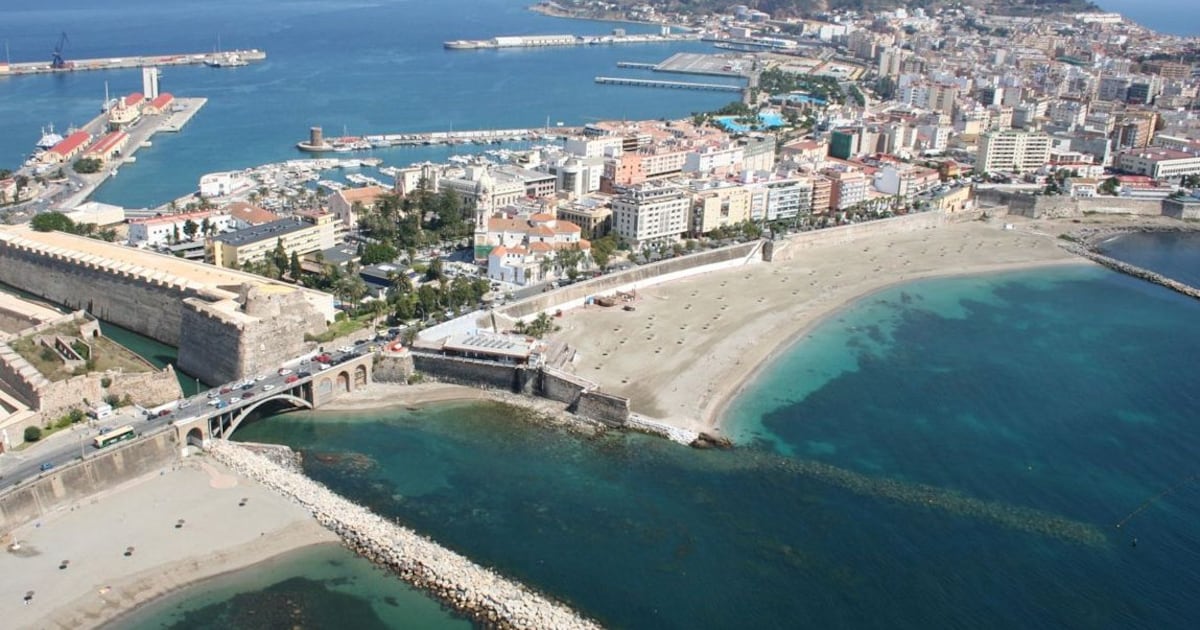
Recent intelligence assessments from Spanish security agencies highlight the pivotal role Morocco has played in safeguarding the enclave of Ceuta from terrorist threats. These findings underscore the effectiveness of coordinated security measures between the two nations, which have repeatedly thwarted planned attacks targeting the city. The collaboration has been instrumental in dismantling networks that link illicit funds from smuggling and drug trafficking to terrorism—a practice that has historically fueled recruitment efforts among local populations, particularly in Ceuta itself.
Ceuta emerges as a critical front in the fight against global jihadist networks
Ceuta’s strategic location as a gateway between North Africa and Europe has made it a prime target for international terrorist organizations, especially those aligned with jihadist ideologies. Authorities recently dismantled a cell operating in the heart of the city, demonstrating the persistent and evolving nature of these threats. The enclave’s proximity to continental Europe only amplifies the stakes for Spanish security forces, who rely heavily on cross-border intelligence sharing.
Digital terrorism: the new frontier in counterterrorism challenges
One of the most pressing concerns today is the rise of digital terrorism, a phenomenon where extremist groups leverage online platforms for propaganda, recruitment, financing, and international coordination. Unlike traditional cells, these networks operate with greater stealth, making them harder to detect and dismantle. Recent operations in Ceuta have exposed the sophistication of these threats, forcing authorities to adapt their counterterrorism strategies accordingly.
By the numbers: a decade of counterterrorism operations
Between 2012 and mid-2026, Spanish authorities conducted 458 counterterrorism operations across the country, resulting in 816 arrests linked to jihadist activities. In Ceuta alone, 19 operations led to 40 arrests during the same period. The first half of 2026 saw a further 37 operations, yielding 68 detentions. These figures reflect not just the scale of the threat but also the success of joint security initiatives, particularly those involving Moroccan counterparts.
These efforts are no coincidence; they are the result of sustained, high-level collaboration between Spanish and Moroccan security agencies. Continuous monitoring of terrorist networks and proactive intelligence-sharing have proven essential in maintaining Ceuta’s security, reinforcing the enclave’s resilience against evolving extremist threats.