
Behind the official narratives of humanitarian aid and poverty alleviation, recent events in Togo have exposed a troubling pattern: charitable organizations operating with alarming opacity, seemingly designed to serve the interests of the ruling elite rather than the public good.
In Lomé, the capital, cash continues to flow freely outside conventional banking channels, often with little oversight. The high-profile theft of 62 million West African CFA francs from the offices of the Muslims Around The World (MATW) charity in Kpogan is merely the visible tip of a much larger, shadowy financial system. While families struggle to afford basic necessities, these organizations thrive in a parallel economy where humanitarian missions and state-linked interests intertwine seamlessly.
Cash-stuffed vaults: the hidden backbone of a flawed system
The sheer volume of undeclared cash held by some NGOs raises critical questions. How can an organization store such vast sums in cash without triggering financial regulators’ scrutiny? Analysts point to a deliberate lack of enforcement, where financial oversight is conveniently relaxed to accommodate influential networks.
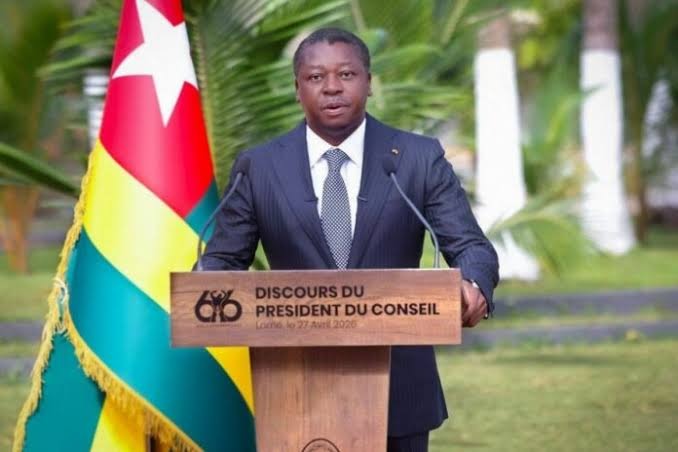
Under President Faure Gnassingbé’s administration, the non-profit sector has increasingly become a grey zone for financial maneuvering. Weak transparency rules on fund origins, combined with a near-total acceptance of cash transactions, create an ideal environment for laundering questionable capital under the guise of social good.
“In Togo, the NGO status effectively grants a shield against scrutiny, enabling cash flows to move unchecked and untraceably, bypassing standard banking requirements.” — a West African financial crime specialist commented.
Political cover through humanitarian channels
Critics argue that the proliferation of unmonitored charitable funding serves a dual purpose for the regime:
- Image and capital laundering: Humanitarian work provides a way to sanitize illicit funds while currying favor among vulnerable populations struggling with inadequate public services.
- Informal redistribution networks: Some charities act as conduits for regime insiders and business allies to channel and redistribute funds outside formal banking systems.
Regulation that favors the powerful
Despite Togo’s public commitments to international financial compliance, the gap between policy and practice remains glaring. While commercial banks face stringent controls from the Central Bank of West African States (BCEAO), informal sectors and charitable groups operate in a regulatory haze that shields the influential.
Without mandatory banking of all NGO funds and systematic audits, charitable organizations in Togo risk continuing to serve as financial front operations for a system under growing strain.