
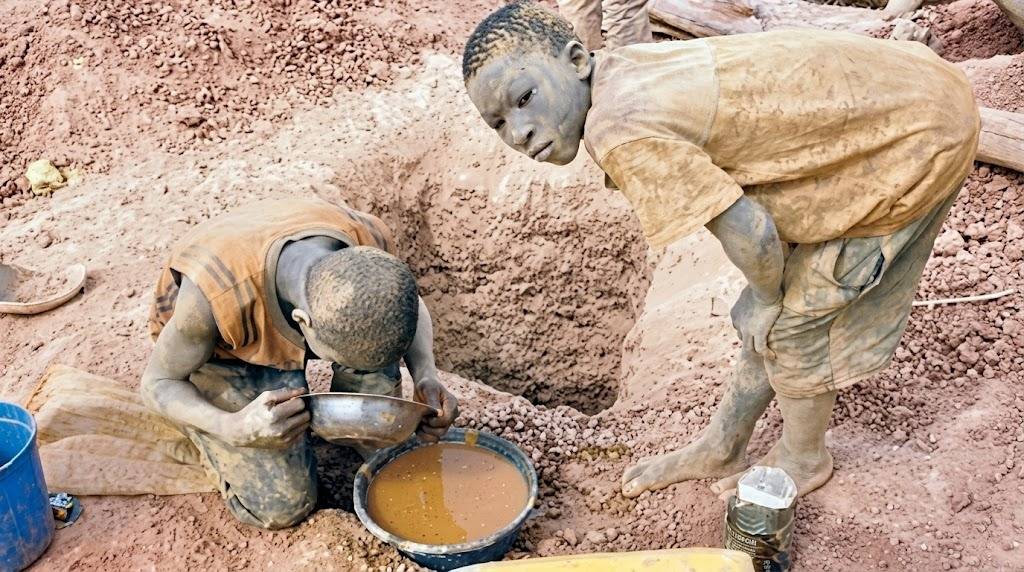
Burkina Faso is undergoing a sweeping overhaul of its gold industry, marked by bold moves to reclaim control over its most prized natural asset. With the establishment of the National Precious Metals Company (SONASP) in 2023 and the inauguration of local infrastructure such as the national gold refinery in Ouagadougou, the transitional government has set an unmistakable course: to seize full ownership of the gold value chain and cement economic independence.
The strategy has already yielded visible results, with dozens of tons of gold coursing through official channels in the first half of the year alone. Yet beneath the rhetoric of self-reliance lie unsettling contradictions and mounting geopolitical headwinds that threaten to undermine the very sovereignty the initiative seeks to build.
Breaking old ties, risking new ones
The cornerstone of Burkina Faso’s mining policy is a deliberate shift in international partnerships. By awarding exploration and extraction licenses to new operators—including Russian firms like Nordgold—the government aims to diversify its mining landscape and reduce dependence on traditional partners.
But this pivot comes with its own set of concerns:
- Strategic vulnerability: Swapping long-standing mining alliances for ties with geopolitical allies could expose Burkina Faso to fresh dependencies, leaving its economy hostage to external decisions beyond its control.
- Accountability and oversight: The real test lies in the ability of regulatory bodies such as the BUMIGEB and SONASP to enforce strict traceability standards and ensure that mining revenues benefit local communities—especially in a climate where insecurity disrupts both artisanal and industrial mining.
The gold reserve controversy: a cautionary tale
Recent speculation about shipping part of Burkina Faso’s gold reserves to Russia for storage has ignited fierce debate. While officials swiftly dismissed the claims, dismissing them as baseless rumors, the episode lays bare the dangers of entrusting national assets to external hands:
- Financial instability: Storing sovereign gold with a nation under sweeping international sanctions and banking restrictions would erode the liquidity and legal protections of Burkina Faso’s reserves, turning a strategic asset into a financial liability.
- Erosion of sovereignty: Gold remains a nation’s ultimate financial safeguard. Transferring physical reserves to a foreign power—particularly in today’s volatile geopolitical landscape—directly contradicts the proclaimed goal of “total sovereignty” and full national control over resources.
Refining the path to local prosperity
The launch of a domestic gold refinery represents a symbolic victory for Burkina Faso’s economic agenda. Yet critical questions remain unanswered:
- Reliable supply chains: Maintaining steady flows into the refinery demands cracking down on fraud in artisanal mining zones, many of which operate under severe security constraints.
- People-centered benefits: Beyond boosting state coffers, the mining sector must foster sustainable job creation and local infrastructure development to deliver tangible improvements for citizens.
While the political will to rebalance mining revenue in favor of the state is understandable, the path to lasting sovereignty demands more than bold rhetoric. It requires robust institutional transparency, fortified internal safeguards for national reserves, and a steadfast commitment to developing homegrown infrastructure—rather than gambling the country’s gold on complex external geopolitical maneuvers.