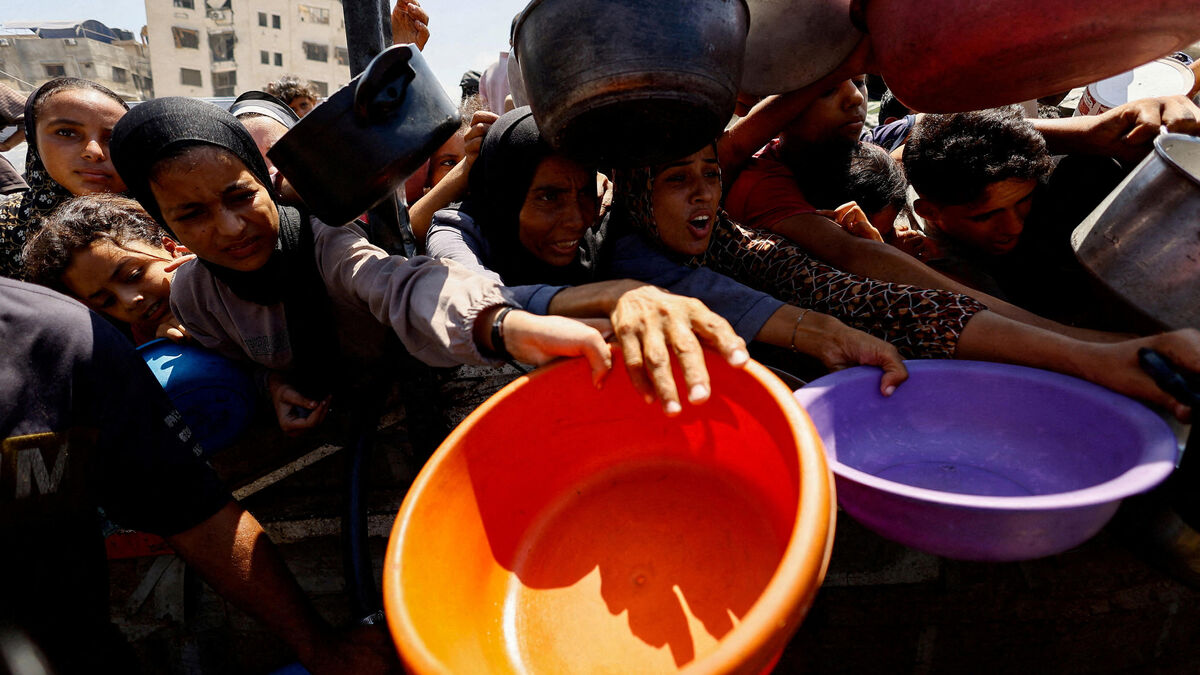
Global hunger crisis un warns of famine in 16 critical zones
Global hunger crisis: UN warns of famine in 16 critical zones
Global hunger is worsening in 16 critical regions worldwide, warns a new United Nations report, as funding shortfalls and escalating conflicts push millions closer to famine. The crisis spans continents, from the Middle East to Africa and Asia, with some areas facing imminent catastrophic food shortages.
Which regions face the most severe food insecurity?
According to a joint report by the Food and Agriculture Organization (FAO) and the World Food Programme (WFP), the following locations are experiencing the most acute food insecurity:
- Haïti – Political instability and gang violence have crippled food distribution networks.
- Mali – Ongoing conflict and climate shocks have devastated agricultural production.
- Palestine – Blockades and war have cut off essential supplies, leading to declared famine in Gaza.
- South Sudan – Years of civil war have left large populations dependent on aid.
- Sudan – Civil conflict has displaced millions, disrupting farming and trade.
- Yemen – A prolonged humanitarian crisis has pushed 80% of the population into food insecurity.
Other severely affected regions include Afghanistan, the Democratic Republic of the Congo, Myanmar, Nigeria, Somalia, Syria, Burkina Faso, Chad, Kenya, and Rohingya refugees in Bangladesh.
Why is the situation worsening?
The report highlights multiple drivers behind the escalating crisis:
- Armed conflicts – Wars destroy infrastructure, displace communities, and block aid deliveries.
- Economic shocks – Inflation, currency devaluation, and job losses reduce purchasing power.
- Extreme weather events – Droughts, floods, and desertification devastate crops and livestock.
- Insufficient funding – Humanitarian aid programs are underfunded, forcing cuts to food assistance.
Cindy McCain, WFP Executive Director, warned: “We are on the brink of a preventable food catastrophe that could trigger widespread famine. Failing to act now will only deepen instability and suffering.”
Humanitarian aid at risk of collapse
The UN agencies report that only $10.5 billion of the $29 billion needed has been raised to support vulnerable populations. This funding gap has forced drastic reductions in food aid, including:
- Cuts to school feeding programs in several countries.
- Reduced rations for refugees and internally displaced persons.
- Suspended agricultural support, threatening future harvests.
The FAO emphasized the need for immediate investment in seeds, livestock health services, and small-scale farming to prevent further deterioration.
FAO Director-General Qu Dongyu stated:
“Preventing famine isn’t just a moral duty—it’s a strategic investment in long-term peace and stability.”
What needs to happen next?
To avert a full-blown humanitarian disaster, the international community must:
- Increase emergency funding to meet the $29 billion target.
- Ensure safe access for aid workers in conflict zones.
- Support sustainable agriculture to rebuild food systems.
- Address root causes like climate change and conflict.
Without urgent action, millions more could face starvation, deepening global instability and humanitarian suffering.
