Gabon’s new governance: how trust is built from Libreville to the provinces
Gabon’s new governance: how trust is built from Libreville to the provinces
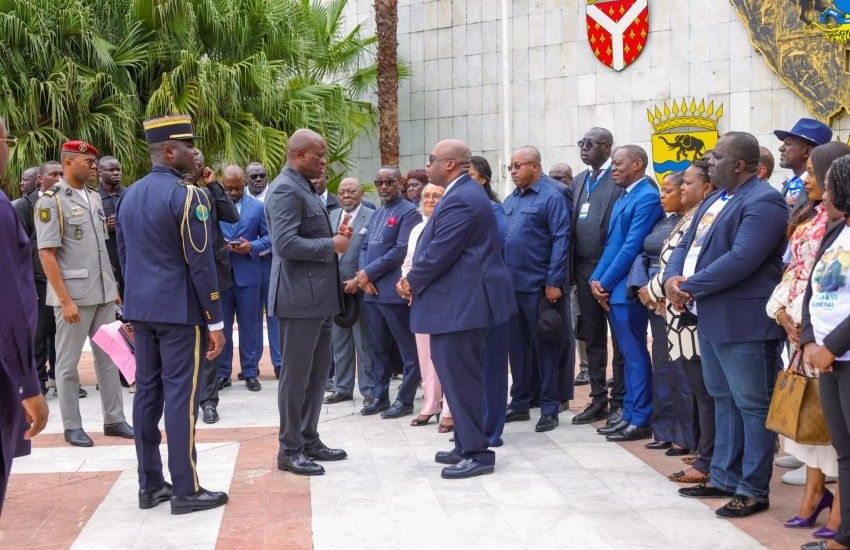
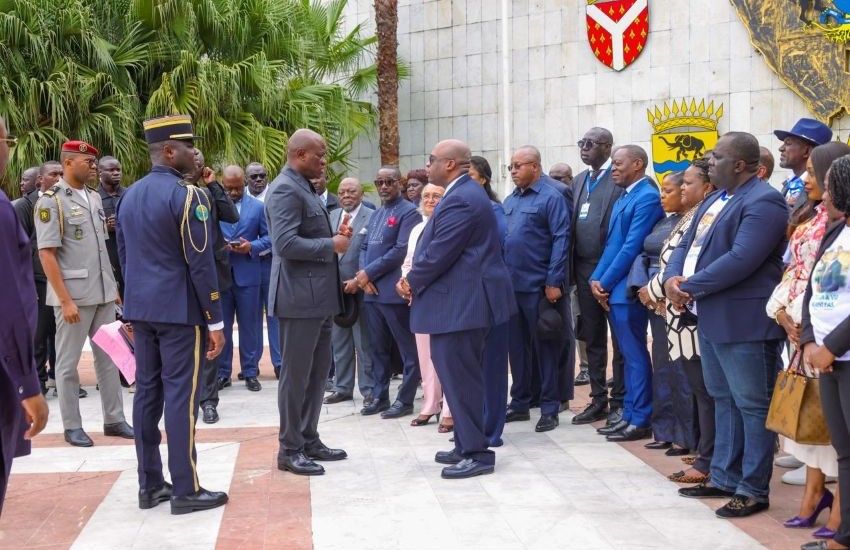
Libreville, July 15, 2026 – A rare scene in African political practices unfolded recently in Gabon. One hundred fifty leaders from the Ogooué-Maritime province embarked on a journey from their coastal towns to the capital, where they toured key development projects before meeting directly with the Head of State to discuss national progress and future plans.
This institutional exercise, designed to showcase tangible results and foster political closeness, reflects a governance approach rooted in proven achievements, public action transparency, and citizen engagement.
The delegation from Port-Gentil, Omboué, and Gamba experienced firsthand the rapid transformation reshaping Libreville under the current administration. This initiative goes beyond mere protocol; it signals a deliberate effort to bridge the gap between decision-making centers and regional territories while involving citizens in the nation’s future.
Governance through visible results
The Ogooué-Maritime delegation included a diverse cross-section of local society: mayors, municipal and departmental council members, traditional leaders, neighborhood chiefs, entrepreneurs, influencers, and opinion leaders. This selection was intentional.
In modern governance, local influencers shape public perception far more effectively than official statements. Citizens trust what they witness over what they are told. By enabling local actors to observe the progress of major infrastructure projects firsthand, the government prioritizes evidence-based communication over political rhetoric.
This strategy reinforces transparency and collective accountability while reducing the disconnect between national ambitions and the realities faced by remote provinces. In a country with vast geographical diversity and varied regional needs, such an approach strengthens national cohesion.
Territorial balance as a political priority
A key takeaway from the meeting was the President’s renewed commitment to a gradual, balanced, and inclusive national development strategy. Regional disparities have long been a major challenge in African development, with investments often concentrated in capital cities while provinces lag in infrastructure and public services.
The Head of State emphasized that each province would receive tailored investments to improve living conditions at its own pace. This principle acknowledges that regions differ in needs, potential, and development priorities. Equitable territorial development does not mean uniformity but rather strategic adaptation to local realities.
For Ogooué-Maritime—a historically strategic province due to its oil sector and maritime access—this vision opens opportunities for economic diversification through infrastructure, services, tourism, and blue economy initiatives.
Proximity as a tool for effective governance
Following their immersion in Libreville’s transformation, the provincial representatives requested a direct exchange with the President to share observations and expectations. The immediate positive response sent a clear political signal.
In an era where many democracies struggle with growing distance between leaders and citizens, direct dialogue spaces serve as powerful tools for legitimacy and public effectiveness. The President’s emphasis on proximity reflects a broader commitment to making dialogue with national stakeholders a cornerstone of governance.
Beyond traditional institutions, local elected officials, economic actors, community leaders, and influencers are now being integrated into national policymaking. This shift embodies a more participatory governance model, where policies are shaped by ground realities as much as central directives.
The Ogooué-Maritime delegation’s reception exemplifies a governance method prioritizing listening, education, and concrete demonstration. In a continent where institutional distrust often hinders reform, leading through proximity and evidence may well become a defining feature of Gabon’s Fifth Republic.
