Gabon’s bold push for ecotourism faces real-world hurdles
Gabon’s bold push for ecotourism faces real-world hurdles
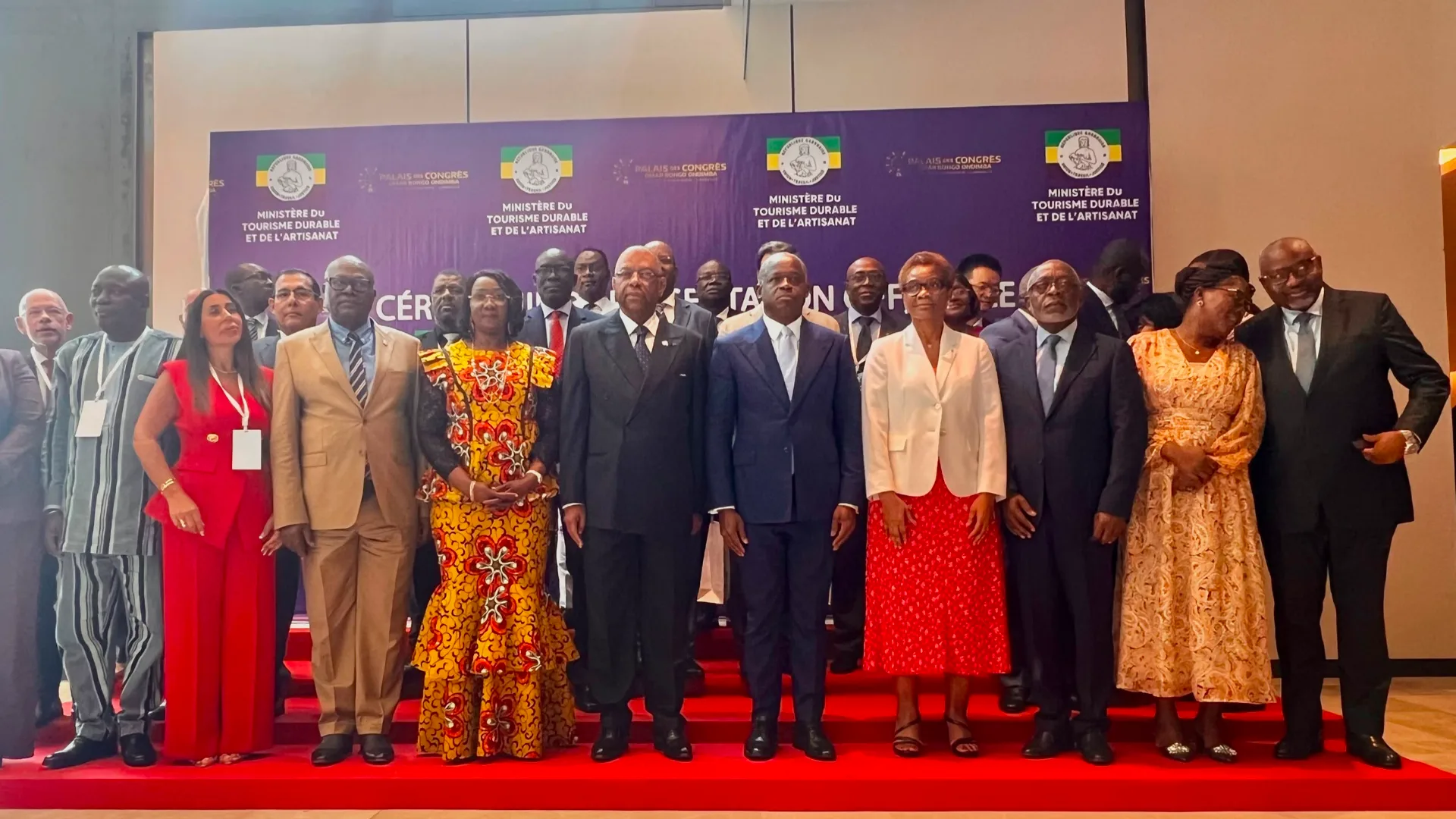
LIBREVILLE / The government unveiled its National Strategy for Sustainable Tourism and Craft Valorization on June 29, 2026, with a clear mission: diversify the economy ahead of the post-oil era and position Gabon as a leading global ecotourism destination.
On paper, Gabon’s credentials are unmatched. With 88% of its land blanketed by equatorial rainforest, 800 kilometers of pristine coastline, and 13 national parks, the country boasts an extraordinary natural endowment. From the untamed wildlife of Loango to the breathtaking landscapes of Ivindo, the potential to attract international travelers seeking untouched nature is enormous.
The nation’s reputation as an environmental trailblazer—cemented by its Blue and Green obligations—adds further credibility, making it well-positioned to secure international funding.
Bridging the gap between vision and reality
Yet, transforming this natural wealth into a thriving, sustainable industry requires overcoming significant challenges.
The most pressing issue is infrastructure. Reaching key destinations like Lambaréné, Mayumba, and Lopé often feels like navigating an obstacle course. The state of domestic roads remains the biggest barrier to growth in the tourism sector.
Cost presents another major obstacle. High international airfare, expensive internal logistics, and the absence of affordable domestic transport options keep Gabon out of reach for most travelers, confining it to a niche luxury market.
A third challenge lies in human capital. Premium tourism demands world-class standards in hospitality, accommodation, and craftsmanship promotion. This calls for a sustained, large-scale effort in workforce training—a process that cannot be rushed.
From plan to progress: the moment of truth
Gabon has the natural assets and the ambition, but the real test lies in execution. To ensure this strategy doesn’t end up as just another unrealized plan, the government must prioritize tangible action over rhetoric.
Success will hinge on forging attractive public-private partnerships capable of funding roads, accommodations, and local expertise development.
If implementation finally catches up with vision, ecotourism could indeed become the economic engine of Gabon’s post-oil future.
