
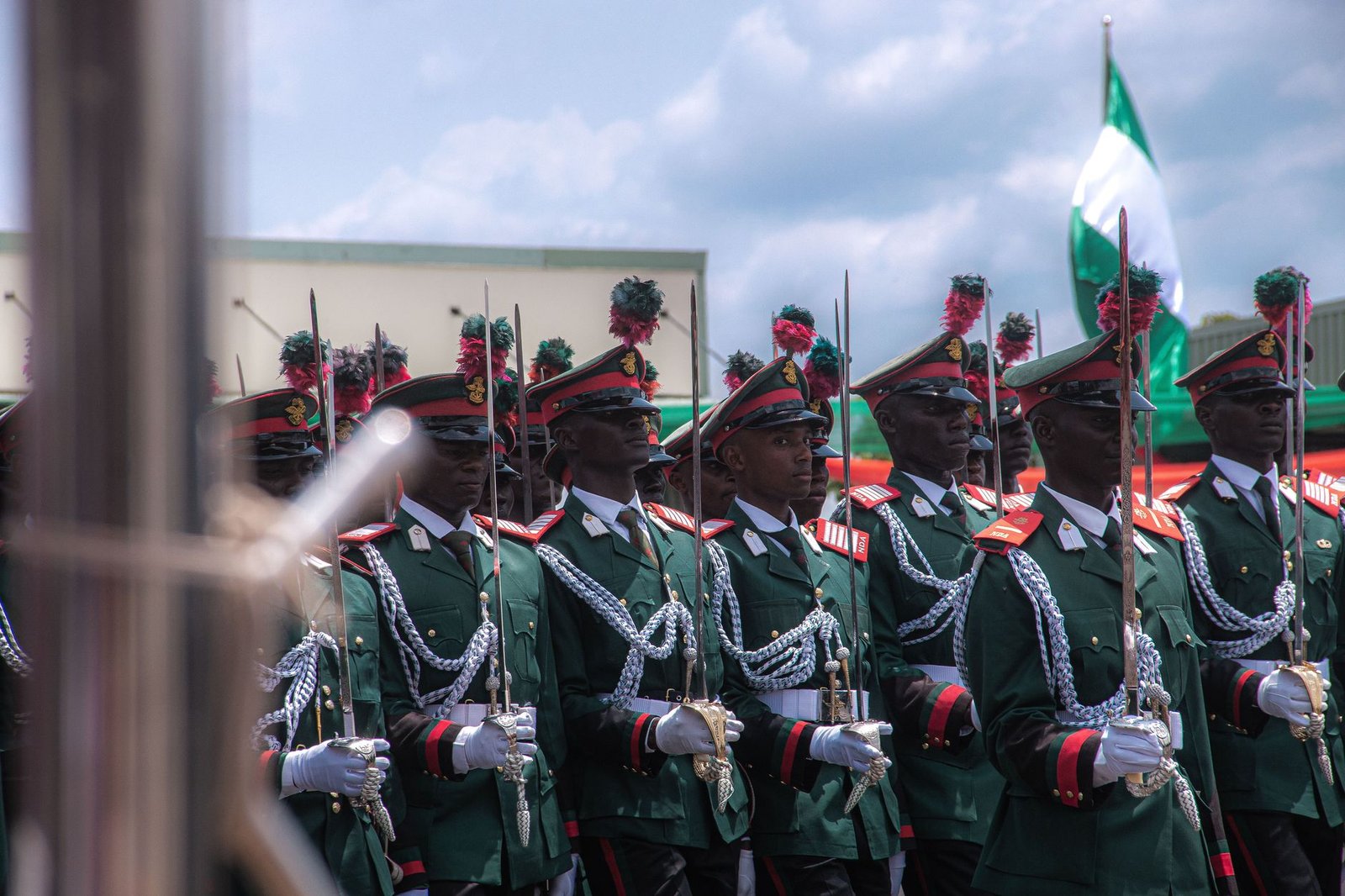
Gabon’s defense budget for 2026 marks a significant milestone, reflecting the country’s commitment to strengthening its armed forces amid a period of political transition and shifting security dynamics in Central Africa. On June 11, the Minister of State for National Defense, Brigitte Onkanowa, unveiled a defense allocation of 377.68 billion FCFA as part of the 2026 supplementary finance bill. This budget, presented to the National Assembly’s Finance, Budget, and Public Accounting Commission, is designed to enhance Gabon’s military capabilities across all operational domains.
The budget adjustment comes at a pivotal moment for Libreville, which is seeking to reposition its military apparatus following the regime change in August 2023. The transitional authorities, nearing the conclusion of their institutional cycle, have made the modernization of defense forces a cornerstone of their governance strategy. The proposed budget, according to the ministry, aligns financial resources with the strategic missions assigned to the national army.
Budget allocation prioritizes operational readiness and modernization
In her address to lawmakers, Minister Onkanowa outlined key priorities shaping the defense budget. A major focus is on consolidating existing capabilities while scaling up operational readiness nationwide. The funding will support initiatives to improve military living conditions, advance equipment procurement programs, and address the maintenance needs of an aging defense infrastructure.
The alignment between the budget proposal and the commitments made by President Brice Clotaire Oligui Nguema underscores the government’s strategic vision. Gabon’s leadership views security as intrinsically linked to economic sovereignty, particularly in a subregion where security challenges in the Gulf of Guinea and pressures on maritime resources—including migration and illegal fishing—demand robust defensive measures.
Investments target equipment upgrades and troop welfare
The 2026 defense budget is earmarked to accelerate several capacity-building initiatives, including the acquisition of new equipment and the rehabilitation of military facilities across the country. Minister Onkanowa emphasized the urgency of addressing long-standing deficiencies in barracks, medical support, and individual gear, which have historically impacted troop morale and operational effectiveness. The goal is to ensure that every franc allocated translates into measurable improvements in military readiness, avoiding inefficiencies or misplaced priorities.
Human capital remains a critical pillar of the defense strategy. The budget places strong emphasis on soldier welfare, including competitive salaries, enhanced social protection, and professional development programs. These measures are intended to boost retention rates and foster a more professional and motivated armed forces. The minister reiterated the government’s duty to support active-duty personnel and veterans, in line with directives from the presidency.
A strategic commitment amid institutional consolidation
Beyond the financial figures, the 377.68 billion FCFA allocation carries significant political weight. It reaffirms defense as a top national priority for Gabonese authorities, especially given the military’s pivotal role during the recent transition. Maintaining a high level of investment in defense is part of a broader effort to consolidate state authority and mitigate security vulnerabilities along the country’s borders.
However, questions linger about execution. In past years, lawmakers have repeatedly highlighted discrepancies between approved budgets and actual disbursements in key ministries. The Defense Ministry’s ability to effectively deploy the funds—through timely procurement processes and transparent financial reporting—will be closely monitored throughout 2026. For Libreville, the challenge extends beyond mere budgetary arithmetic; it is about proving that substantial financial commitments can yield tangible improvements in Gabon’s operational military posture.