Gabon takes control of its fishing resources with bold new measures
Gabon takes control of its fishing resources with bold new measures
Libreville, June 17, 2026 — With the European Union fishing partnership agreement set to expire in just days, Gabon has taken a decisive step to reclaim control over its maritime resources. Officials in Libreville have opted not to renew the existing arrangement, citing fundamental imbalances that have long disadvantaged the country’s economic interests.
The move signals a broader shift in policy, one that prioritizes national sovereignty and economic autonomy. Beyond fisheries, Gabon is asserting its right to capture the full value of its natural wealth, aligning with a growing continental trend toward transparency and equitable resource management. This decision emerges as African nations increasingly demand fairer terms in their dealings with international partners.
A long-overdue correction
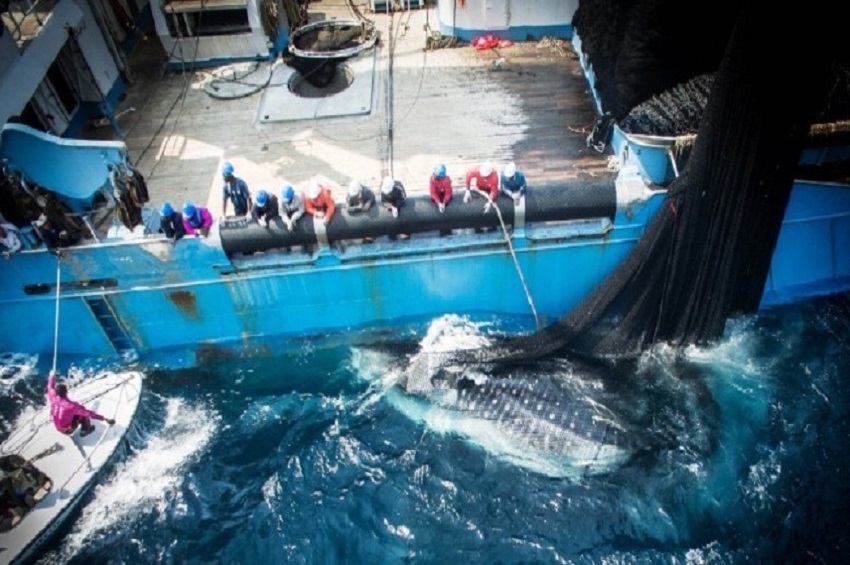
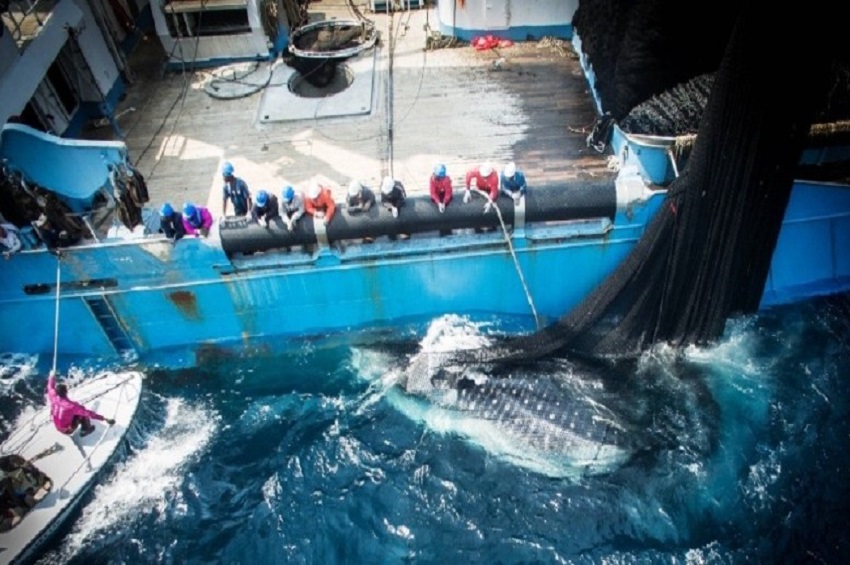
For years, fishing agreements between African states and the European Union have drawn sharp criticism. While marketed as sustainable partnerships, these deals have often funneled the bulk of benefits toward foreign fleets, leaving host nations with minimal returns. The Gabonese government argues that the annual compensation of 2.6 million euros—paid by Brussels—falls far short of the real value of the tuna and other species extracted from Gabon’s rich coastal waters.
Financial discrepancies are only part of the problem. Gabon shoulders the high costs of monitoring and securing its exclusive economic zone, yet the lion’s share of profits from the catch flows to processing and export facilities located abroad. The country remains locked out of the value chains that its own marine resources generate, a reality that frustrates efforts to build a diversified, resilient economy.
Building a local fishing industry
At the heart of this policy reversal is a push to develop Gabon’s own fishing industry. Authorities are determined to move beyond the export of raw materials and instead cultivate a thriving domestic sector that creates jobs, attracts investment, and boosts state revenue. This ambition mirrors recommendations from regional institutions like the African Development Bank, which highlight the continent’s annual losses of billions due to unprocessed marine resources.
With over 800 kilometers of coastline and one of the most extensive maritime zones in West Africa, Gabon possesses the natural assets to become a regional leader in sustainable fisheries. The challenge now is to translate this potential into tangible economic gains through local processing, innovation, and policy reforms.
Toward transparency and sustainability
The Gabonese government’s stance is also rooted in environmental and governance concerns. Officials warn of the risks posed by unchecked fishing fleets and the absence of robust monitoring mechanisms. These fears align with growing alarm among environmental groups about the health of tuna stocks across African waters.
By refusing to extend the existing deal, Gabon is setting new benchmarks for future partnerships. Any future agreement will need to prioritize ecosystem preservation, traceable supply chains, and measurable benefits for local communities. This firm position reflects a broader continental shift, where African nations are no longer content to be mere suppliers of raw materials. Instead, they are asserting their right to shape the terms of engagement on their own terms.
The Gabonese example could set a powerful precedent across Africa. It sends a clear message: access to the continent’s natural wealth must go hand in hand with sovereignty, accountability, and shared prosperity. As Africa charts a course toward greater economic integration and self-determination, Libreville’s stance stands as a symbol of a continent ready to take charge of its destiny.
