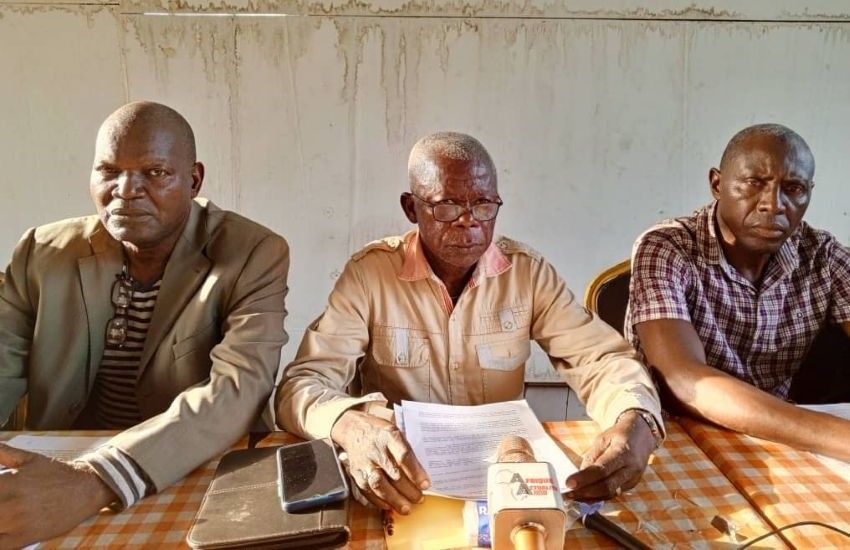
Gabon honors its retirees and elderly with national recognition day
Gabon honors its retirees and elderly with national recognition day
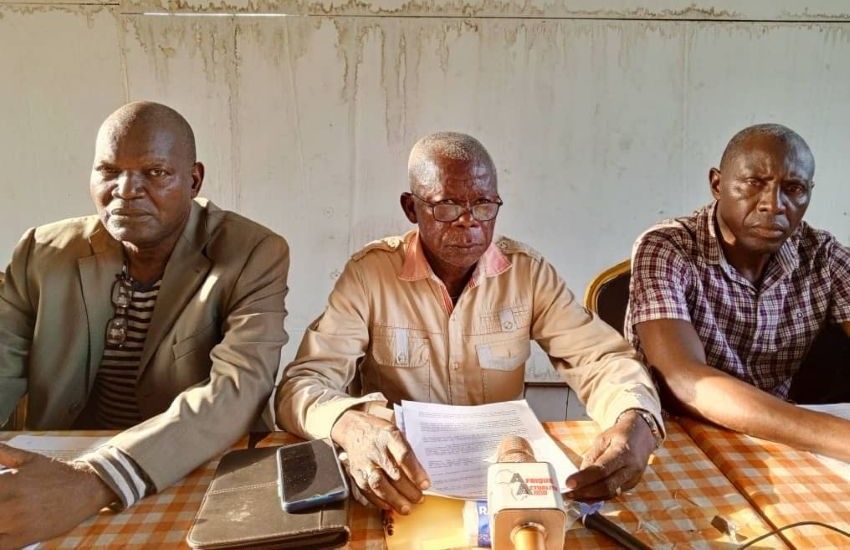
For generations, retirees and elderly citizens have been the backbone of Gabon’s administration, institutions, and state continuity. Yet, despite their invaluable contributions, they remain among the most overlooked groups in public policy—often praised in rhetoric but rarely prioritized in national agendas.
Gabon has taken a historic step by establishing a National Day for Retirees and the Elderly, celebrated annually on October 1. This decision reflects more than symbolic recognition; it embodies a deeper commitment to social cohesion and intergenerational solidarity.
The initiative, adopted during the June 25, 2026 Council of Ministers meeting, formalizes the acknowledgment of a demographic that has played a pivotal role in the nation’s development. It arrives at a critical juncture when global aging trends demand that governments rethink their approach to experience, solidarity, and social protection.
Restoring national memory
The decree, grounded in Article 95 of the Constitution, designates October 1 as a day dedicated to retirees and the elderly. The date aligns with the United Nations International Day of Older Persons, allowing Gabon to integrate its initiative into a global movement that elevates the status of senior citizens.
Beyond honoring those who have served the state, businesses, and communities, this day serves as a reminder: a nation’s progress is not built solely on future ambitions. It is also strengthened by the recognition of those who laid its foundations.
In an era dominated by speed, innovation, and immediate results, retirees represent an irreplaceable human capital. They embody institutional memory, professional expertise, and social stability—resources essential for guiding younger generations through rapid economic, technological, and cultural shifts.
A social challenge with strategic implications
This government-led initiative also addresses a demographic reality reshaping modern societies. Population aging is no longer confined to developed nations; it is increasingly a concern for African states, including Gabon.
By dedicating an official day to this issue, authorities aim to highlight the pressing challenges faced by older citizens: healthcare access, living conditions, social protection, isolation, mobility, family bonds, and community integration. The proposed activities will unite public administrations, local authorities, associations, and families in awareness campaigns, recognition efforts, and intergenerational dialogue.
The goal is twofold: to reinforce respect for elders while fostering the transmission of knowledge and values across generations. This approach is particularly vital in African societies, where family solidarity has long been a cornerstone of elder care. However, rapid modernization occasionally undermines these traditional systems, making state intervention essential to preserve this balance.
Human-centered development at the forefront
Through this measure, Gabon underscores a development model that transcends infrastructure, investments, or economic growth. A nation’s true advancement is measured by its ability to protect the vulnerable and honor those who have dedicated their lives to the collective good.
The creation of this national day signals a clear political will: to place humanity at the heart of public action and affirm that experience is a national asset as vital as economic or natural resources.
The inaugural celebration on October 1, 2026, will mark more than a commemoration—it will launch a broader reflection on the role of elders in contemporary Gabonese society. A nation that respects its past strengthens its unity. A state that honors its seniors secures a more stable future.
