
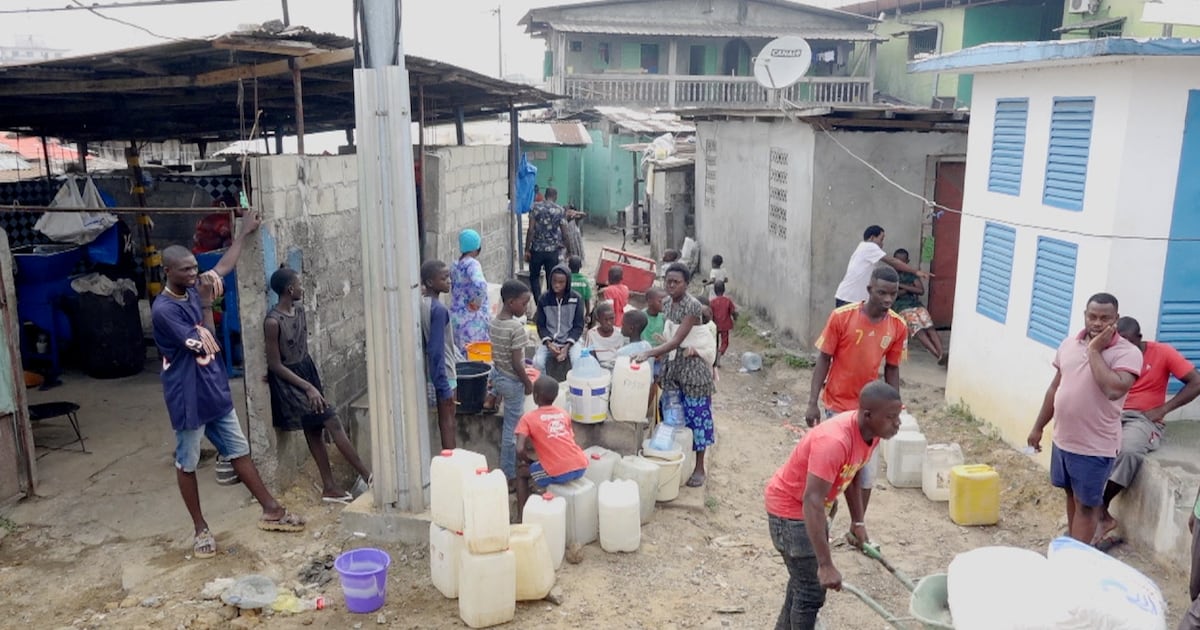
Government pushes for structural reform to end chronic shortages
The President of Gabon has delivered a stark warning about the country’s failing public utilities, declaring that the current management model of water and electricity services must be overhauled to resolve persistent shortages. Addressing lawmakers during the annual State of the Nation address, he emphasized that separating the two sectors—along with splitting production, distribution, and commercialization—could restore efficiency and accountability.
A system stretched to its limits
For years, Gabonese households and businesses have endured unreliable access to essential services. Libreville’s residents face rotating blackouts while water cuts stretch for months in some areas, a crisis rooted in chronic underinvestment and mismanagement. Officials admit that no major infrastructure projects have been completed in over two decades, despite a near doubling of energy demand since 2010.
The breakdown extends beyond technical failures. The President bluntly attributed ongoing power outages to unpaid bills from the state-owned utility SEEG to its operators, while also blaming widespread user misconduct. Practices like meter tampering, billing fraud, cable theft, and illegal connections have drained resources, diverting funds from critical maintenance and upgrades.
Public reactions reveal cautious optimism
Opinions among citizens are divided. Mariama Yama, a long-time customer, supports the separation of water and electricity services, hoping it will lead to faster repairs and better accountability. Others, like Nicole Essono, urge patience, acknowledging the scale of neglect but trusting the government’s reform efforts.
Patrick Ruffin, a retired military officer, called for urgent financial restructuring within SEEG, while Cédric Pango, a corporate executive, raised concerns about the long-term viability of an independent water sector, given its historically low profitability compared to electricity.
Recent interventions offer temporary relief
In early 2025, Gabon signed a deal with Turkish firm Karpowership to supply 150 megawatts through two floating power plants, aiming to stabilize supply in Libreville. Additionally, a cross-border electricity interconnection with Equatorial Guinea was launched the same month. These measures, though significant, remain stopgap solutions in a crisis that demands systemic change.
The stakes are high for President Brice Clotaire Oligui Nguema, whose administration has made restoring reliable utilities a cornerstone of its legitimacy. With public patience wearing thin, the coming weeks will test whether these reforms translate into tangible improvements—or if Gabon’s citizens will continue to endure the same cycle of disruption.