
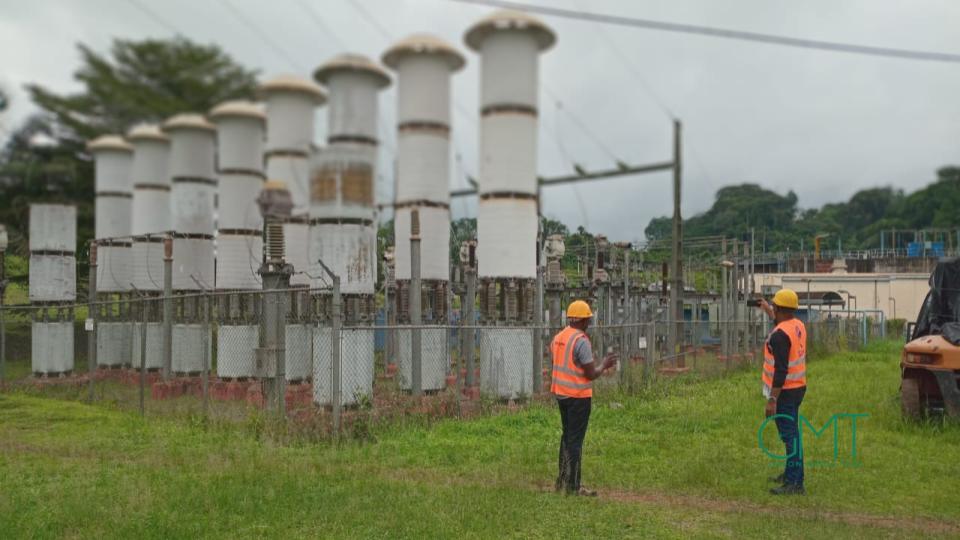
In the first quarter of 2026, Gabon’s electricity output plummeted by 13.2% compared to the previous quarter and a staggering 20.1% year-on-year. This alarming decline, outlined in the latest Sectoral Conjuncture Report from the Directorate General of Economy and Fiscal Policy (DGEPF), underscores a systemic vulnerability that households have endured for too long.
The report attributes the slump to “numerous breakdowns” crippling the power generation infrastructure. The root cause? A chronic “underspending on maintenance”. Behind the bureaucratic language lies a harsh truth: years of neglecting essential upkeep have left the national grid in a precarious state.
Routine repairs and short-term fixes have only delayed the inevitable. Without urgent intervention, the network’s collapse becomes inevitable, with cascading consequences for daily life.
Power outages disrupt water supply across Gabon
The impact of the electricity crisis extends far beyond dimmed lights and stalled appliances. According to the DGEPF report, repeated power cuts are now triggering severe disruptions in potable water production. Mechanical seal failures, pump malfunctions, and electrical surges are wearing down water infrastructure at an alarming rate.
This domino effect highlights the dangerous interplay between essential services. The power grid’s failure no longer just threatens convenience or economic activity—it directly jeopardizes access to clean water for thousands of families. By simultaneously undermining two critical pillars of daily life, the crisis has evolved beyond the scope of a single utility provider, endangering the nation’s entire infrastructure framework. Unless a robust, long-term modernization plan is implemented, Gabon risks sinking into an irreversible cycle of widespread outages.