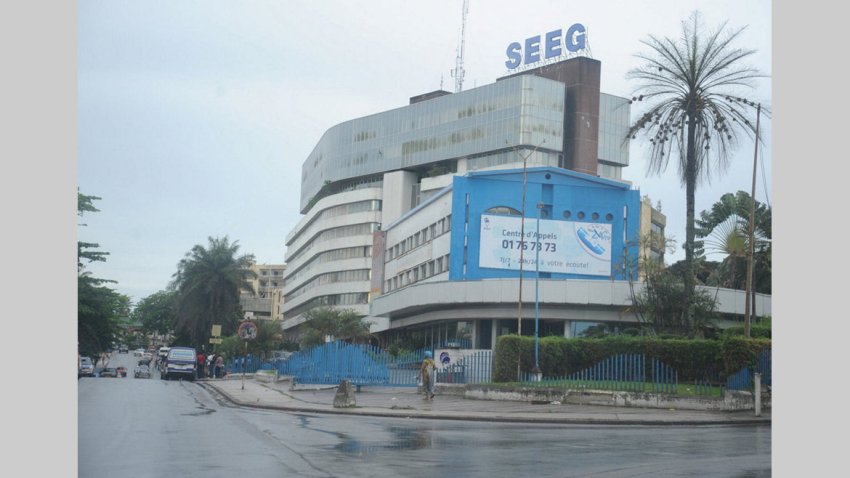
Gabon ends SEEG era with new water and energy firms
Gabon ends SEEG era with new water and energy firms
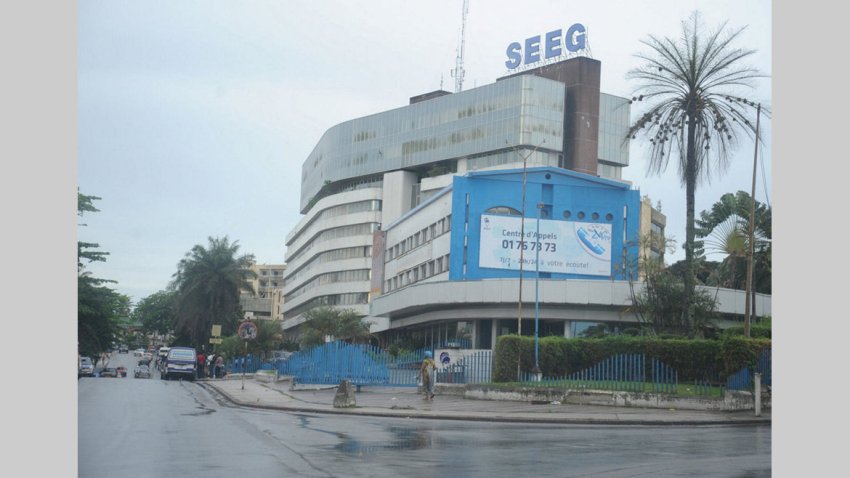
Libreville, June 26, 2026 – For nearly three decades, the Société d’Énergie et d’Eau du Gabon (SEEG) stood as a cornerstone in the integrated management of two critical national resources. That chapter has now closed.
In a decisive move, the Gabonese government announced on June 25, 2026, the dissolution of SEEG and its replacement by two specialized mixed-economy firms: La Gabonaise des Eaux and Électricité du Gabon. This institutional overhaul signals far more than a mere name change. It marks the beginning of a profound transformation in the country’s essential public services.
This reform follows closely on the heels of the Head of State’s State of the Nation address. It reflects a clear political commitment to translate declarations into action. In a nation where frequent power outages and unreliable access to clean water remain top public grievances, this restructuring represents one of the most strategic initiatives of the current administration.
Breaking free from a failing centralized system
Established in 1997 under a concession agreement with the French group Veolia, SEEG embodied the single-operator model for water and electricity. While this structure once met the demands of network management, structural weaknesses became impossible to ignore over time.
The 2018 nationalization of the company failed to resolve these enduring issues: aging infrastructure, underinvestment, service disruptions, financial strain, and the rapid expansion of urban demand all underscored the limitations of centralized management.
The government has now opted for a bold break. La Gabonaise des Eaux will exclusively oversee the production, transport, distribution, and sale of drinking water, while Électricité du Gabon will focus solely on electricity generation, transmission, distribution, and retail.
This specialization aligns with globally recognized best practices. The challenges of water management differ fundamentally from those in the energy sector. Grouping them under one entity had diluted priorities, slowed decision-making, and hindered targeted investment.
A strategic public-private partnership model
The decision to adopt a mixed-economy structure reflects another key ambition: the state will retain strategic control over these vital sectors while welcoming private partners capable of contributing technical expertise, innovation, and financial capacity.
This hybrid model has already been tested in several African nations. It theoretically combines public oversight—essential for safeguarding the public interest—with the efficiency demands of the private sector. However, its success hinges on critical factors: the capital structure of the new firms, the identity of strategic partners, governance frameworks, the treatment of SEEG’s inherited debt, and asset transfers will all shape outcomes in the coming months.
International financial institutions are closely monitoring this transition. The African Development Bank, French Development Agency, and other technical partners recognize that the success of this reform will influence future infrastructure investments across Gabon.
For industrial players—especially in mining, timber, and oil sectors—energy stability is a major competitiveness issue.
The moment of truth
Beyond its administrative implications, this reform carries a powerful political promise: universal access to water and electricity for all Gabonese citizens. It aims to tangibly improve living conditions in urban neighborhoods and remote areas alike.
Officials frame this restructuring as a lever for national solidarity, economic modernization, and territorial justice. The stated goals are ambitious: uninterrupted service, enhanced distribution quality, expanded networks, energy transition, and secure supply rank among the top priorities.
Yet public reform history teaches a clear lesson: structural change alone cannot transform reality. Citizens will judge not by the legal soundness of new decrees, but by the disappearance of power cuts, the end of water shortages, and concrete improvements in daily life.
The dissolution of SEEG marks one of Gabon’s most significant public service reforms in decades. It opens a historic opportunity for renewal. Whether this potential translates into visible results remains to be seen—because that is the only metric by which the true success of La Gabonaise des Eaux and Électricité du Gabon will ultimately be measured.
