
Libreville, July 8, 2026 (Infos Gabon) – The Gabonese government is set to embark on one of the most ambitious agricultural transformations in its recent history. Starting January 1, 2027, meat imports will be officially banned, marking a significant shift in the country’s food security strategy.
The move comes after years of dependence on external markets for feeding its population. The government is now choosing to break free from economic ties and create a self-sufficient food system.
Long-term reliance on foreign imports has been detrimental to local farmers, economists say. The aim is to transform this dependency into a growth engine for the nation.
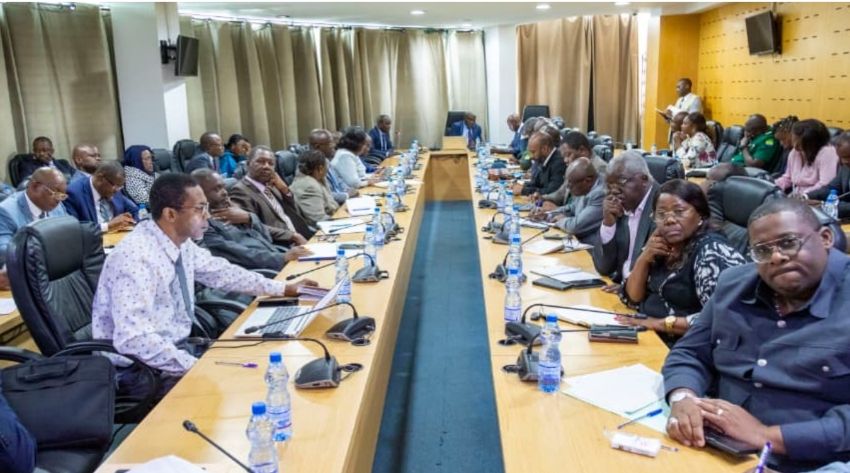
The fifth meeting of the technical committee tasked with overseeing the reform saw a marked acceleration in preparations and a strong commitment from authorities to stick to the schedule set out.
Meat consumption represents one of the key areas where Africa’s economies are heavily dependent on imported goods. The ban on imports is aimed at stimulating local production, securing food supplies, and retaining hundreds of millions of francs CFA currently spent on foreign poultry industries.
This strategy aligns with a growing trend in several African countries seeking to regain control over their food security after global crises, conflicts, and logistical challenges disrupted supply chains. Food has become an issue of national security as much as an economic one.
The success of this reform depends on the ability to produce enough domestically without compromising quality or availability. Authorities have invested heavily in infrastructure development, including the establishment of new production sites across the country with support from military engineers.
Three million chicks are being ordered as part of a strategy to create an entire industrial ecosystem that will include agriculture, logistics, meat processing, distribution, and massive job creation.
This ambitious project could become one of Africa’s first major agricultural reindustrialization hubs. The real question now is whether it can be executed successfully.
Despite the challenges of financing, land ownership issues, inadequate infrastructure, and logistical hurdles, the government has made a clear choice: to take control of its food production once and for all.
In a world where supply chains are becoming increasingly fragile, this move could prove to be a necessity for many African countries rather than just an exception.