
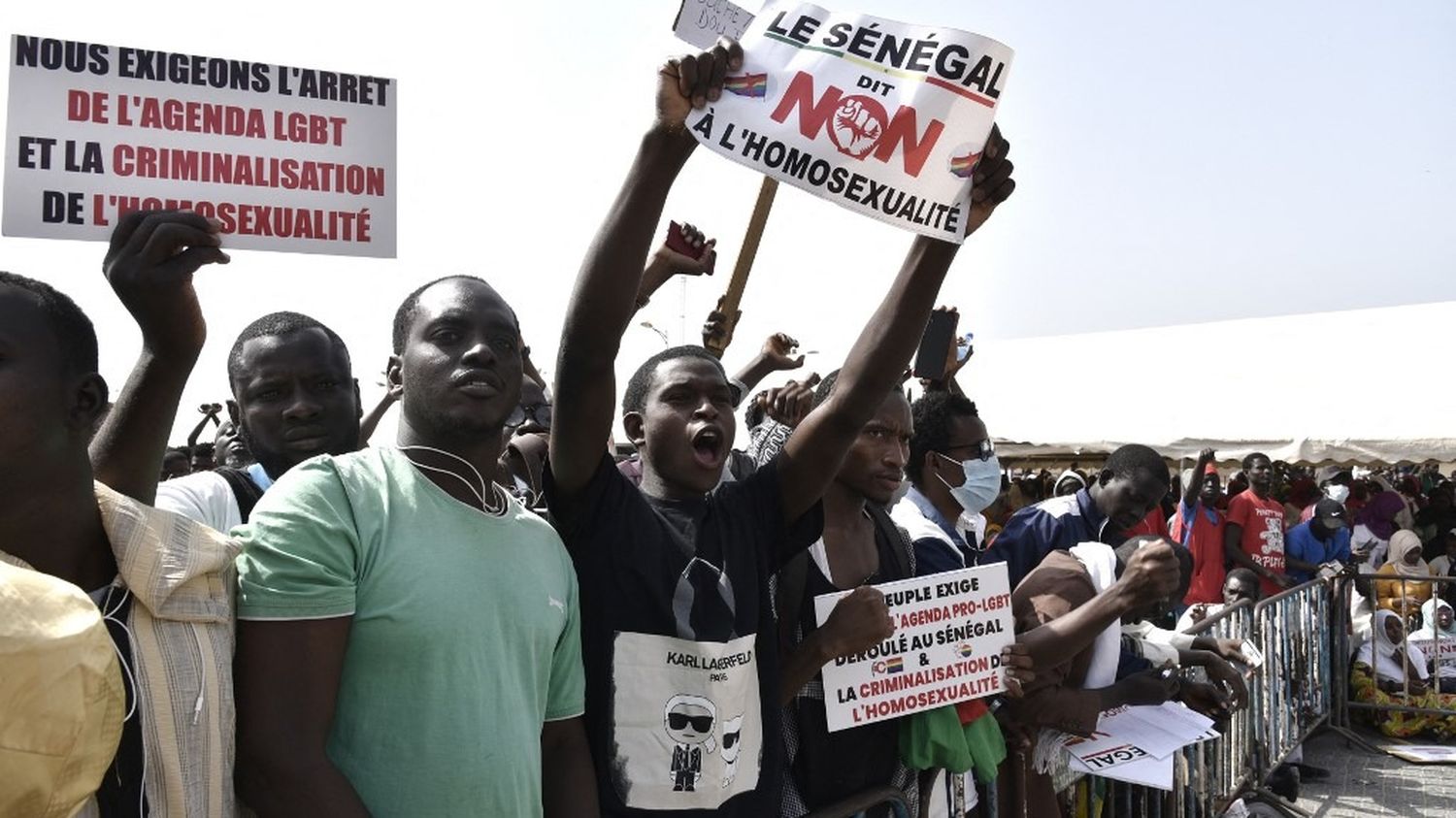
French civil society organizations and elected officials are stepping up efforts to assist LGBTQ+ individuals in Senegal, where recent legislation has criminalized same-sex relationships with severe penalties. The controversial law, passed in March, imposes prison sentences ranging from five to ten years, sparking global concern.
Among those leading the humanitarian response is STOP homophobie, a prominent French advocacy group that has already extended support to 68 detainees in Senegal. The organization is also providing shelter to a number of refugees in the Paris region while facilitating visas for those seeking safety in France. A dedicated hotline has been established to address the growing demand for assistance.
“Our phones haven’t stopped ringing,” reveals Terrence Khatchadourian, Secretary-General of the association. “Just two weeks ago, we had reached 3,000 calls, and our systems were overwhelmed. The need is immense, and the response must be immediate.”
Paris takes action amid mounting criticism
French political figures are now calling for stronger measures to protect persecuted individuals. Jean-Luc Romero-Michel, a longtime LGBTQ+ rights advocate and former deputy mayor of Paris, emphasizes the urgency: “Every day, we receive messages from people unable to secure humanitarian visas. France’s response, while well-intentioned, remains insufficient.”
In a concrete move, Ian Brossat, a Paris city councilor, is set to propose the allocation of housing for Senegalese refugees fleeing persecution during today’s municipal council meeting. “Expressing outrage is important, but providing refuge is essential,” he asserts. “Solidarity must translate into action.”
a growing crisis demands urgent solutions
The situation in Senegal has drawn international attention, with activists warning that the new law has emboldened discrimination and violence against LGBTQ+ individuals. Many are now living in fear, prompting a surge in requests for asylum in Europe. The French government faces increasing pressure to streamline visa processes and expand support networks for those at risk.
As civil society organizations and officials intensify their efforts, the debate over how to balance moral stance with practical assistance continues to unfold. One thing is clear: the plight of Senegal’s LGBTQ+ community has become a defining humanitarian challenge of our time.