
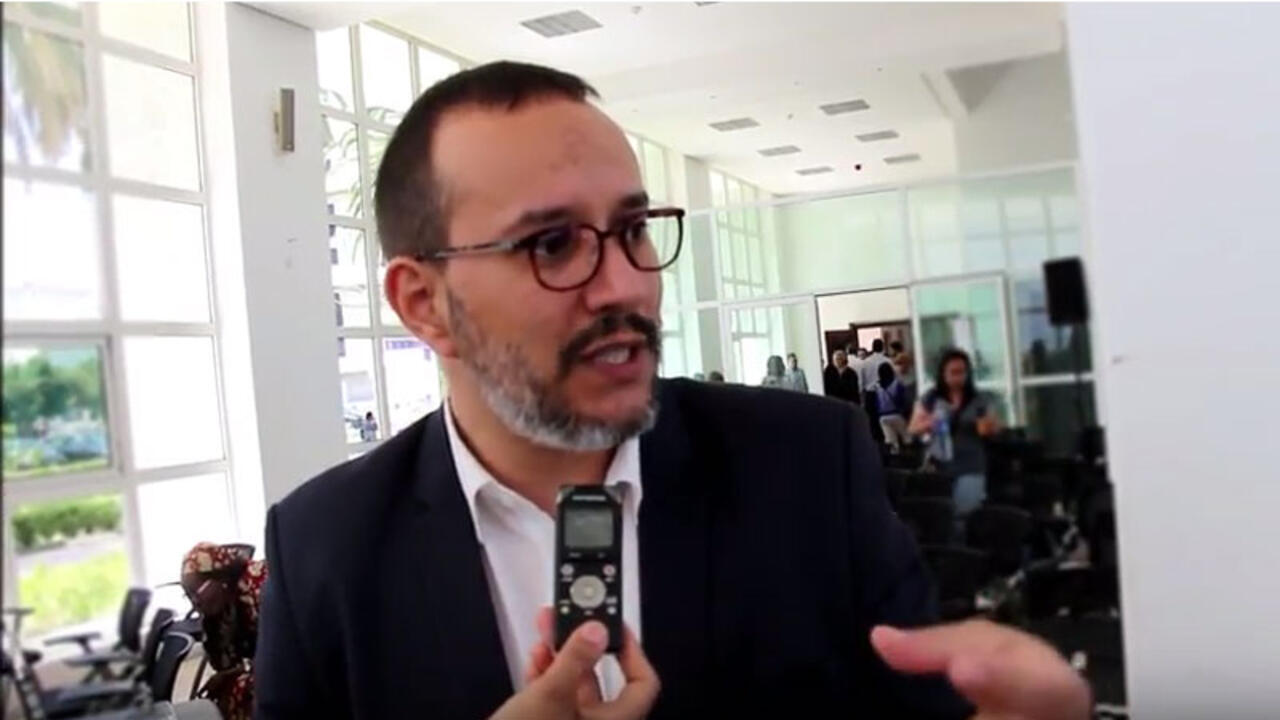
French Prime Minister Sébastien Lecornu arrived in Rabat on July 15, 2026, heading a high-powered delegation of a dozen ministers. As several cooperation agreements are set to be signed, the visit unfolds amid rising concerns over human rights issues in Morocco, where judicial proceedings have been launched against a journalist and an artist. Mehdi Alioua, a sociologist at the International University of Rabat and holder of the Chair on Migrations, Mobilities and Cosmopolitanism, shares his insights with Polycarpe Essomba on the evolving dynamics between Paris and Rabat, particularly in relation to Sub-Saharan Africa.
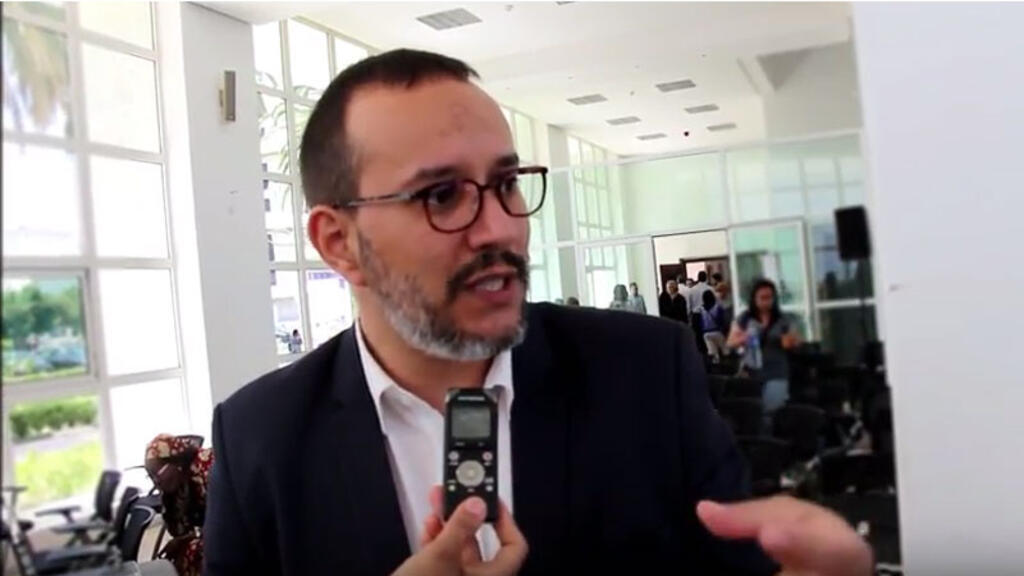
France and Morocco: a shifting partnership in the Sahel
Is a subtle France–Morocco rivalry unfolding across Sub-Saharan Africa? As Paris faces setbacks or recalibrates its approach in the region, Rabat is steadily expanding its influence through strategic investments. But is Morocco truly becoming the rival France failed to anticipate on lands it once dominated?
Mehdi Alioua: It’s a nuanced picture. On one hand, no—because much of Morocco’s investments are carried out in joint ventures with French firms or in alignment with French diplomacy, reflecting strong South-South cooperation that also benefits from enduring North-South ties between Rabat and Paris. On the other hand, yes—because Morocco has independently forged ahead with fully Moroccan-led investments, backed by a clear diplomatic vision championed by His Majesty the King. This vision prioritizes an Africa-centered African policy, aiming to strengthen the continent’s self-reliance.
Can Morocco help mend frayed ties between France and the Sahel?
Ahead of the AES countries, where relations with France have deteriorated, could Morocco play a constructive role in easing tensions?
Morocco is indeed making sincere efforts to bridge divides. The strain isn’t necessarily between peoples but at the political level. Take Mali, for instance—relations have worsened due to populist rhetoric from new leaderships that have exploited anti-French sentiment. Morocco’s diplomacy, however, operates on a different wavelength. Our historical ties with Sahelian nations span millennia, predating Islam and deepening through its spread. A case in point is the Almoravid dynasty, whose name inspired the French term *marabout*, originating from the Sahelian city of Aghmat near Marrakech. This dynasty once ruled an empire stretching from Spain to present-day Guinea and Mali. These age-old connections give Morocco a unique ability to rekindle and leverage such relationships today. Despite being separated by the Sahara, we’ve navigated this vast desert for centuries.
Human rights concerns and Morocco’s balancing act
Recent arrests of prominent critics—Franco-Moroccan journalist Ali Lmrabet and rapper Mehdi Black Wind—have raised eyebrows. Should these developments be a cause for concern?
Any imprisonment of journalists or artists warrants scrutiny. While Moroccan authorities assert that justice operates independently, those detained retain the right to defend themselves. Ali Lmrabet has been released but remains under investigation, allowing for legal recourse. The case involving Mehdi Black Wind is less transparent, but human rights lawyers and activists are mobilizing to challenge the proceedings. Morocco has made significant strides in advancing human rights over the years, though occasional lapses into old habits persist.
Does Morocco’s allure match France’s in Sub-Saharan Africa?
Morocco’s appeal is growing, but it doesn’t yet rival France’s in the eyes of Sub-Saharan Africans. Rabat is investing heavily in its image, as seen with its ambitious hosting of the Africa Cup of Nations—though this strategy carries risks. Domestically, citizens question the prioritization of stadiums over pressing social issues like poverty. Internationally, a single dispute, such as the Morocco-Senegal final controversy, can swiftly erode goodwill. Claims of having European-standard pitches also risk backfiring, as they may come across as lacking humility in Africa’s eyes. Morocco’s charm is undeniable, yet it also inspires caution. Its economic status as a lower-middle-income country limits its ability to draw the same level of admiration as France. Only when Morocco achieves greater wealth and development will it match—or surpass—France’s appeal.