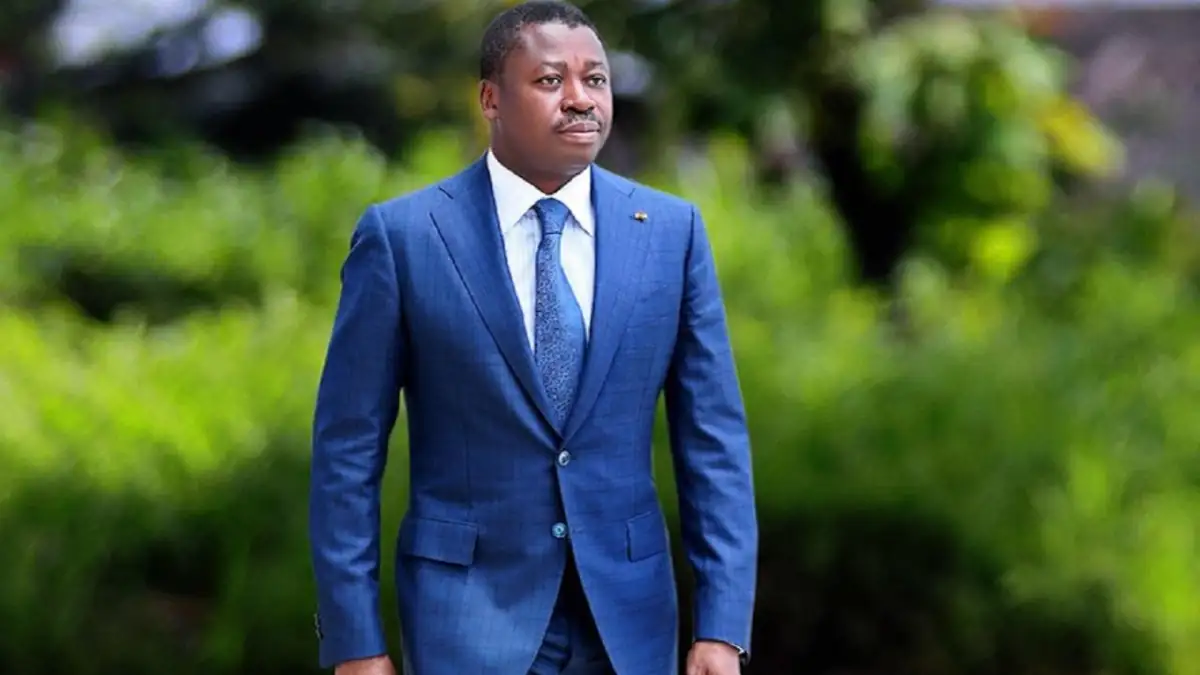
Faure Gnassingbé advocates balanced nuclear energy partnerships for Africa
The Nuclear Energy Innovation Summit for Africa is currently underway in Kigali, Rwanda‘s capital, attracting numerous African leaders to this significant gathering. On May 19, Togolese President Faure Gnassingbé presented his perspective on nuclear power for Africa. He advocated for a strategy rooted in collaboration between the continent and global energy sector stakeholders, amidst Africa’s escalating nuclear aspirations.
Addressing the attendees, the Togolese head of state explicitly dismissed the notion of technological aid. He asserted, « Africa is not seeking technological handouts. Instead, Africa is offering a partnership. Africa is presenting a market. Africa is proposing a mature vision for its own energy future. »
Africa’s call for a new standing in civil nuclear development
This pronouncement comes as various African nations intensify their efforts in civil nuclear energy programs. Egypt, for instance, is actively constructing the El Dabaa power plant, supported by international technical and financial assistance. Meanwhile, South Africa, with its Koeberg plant, remains the sole country on the continent to operate nuclear infrastructure.
The International Atomic Energy Agency indicates that numerous African states have initiated dialogues with international partners to cultivate nuclear electricity generation capabilities. This push is primarily driven by the continent’s rapidly increasing energy demands and persistent electricity access shortfalls.
Within this framework, President Faure Gnassingbé’s statements underscore African nations’ aspiration to redefine their role in nuclear technology negotiations, emphasizing market dynamics and economic collaboration.
Resource abundance, technological reliance, and skill development
The African continent possesses substantial natural resources vital to the nuclear supply chain, particularly uranium. Nations such as Niger and Namibia are recognized producers of this strategic mineral, essential as fuel for reactors.
Despite these valuable resources, African states largely depend on external technologies for the design, construction, and operational management of nuclear facilities. Current programs predominantly rely on technical partnerships with global powers that boast advanced nuclear industries.
Training, regulation, and financing: central to the challenges
Summit deliberations also addressed the prerequisites for implementing nuclear projects across the continent. Participating experts highlighted the critical need to bolster human capital, specifically through the training of specialized engineers and nuclear safety personnel. Establishing independent regulatory authorities emerged as another cornerstone, a fundamental condition for any civil nuclear infrastructure development.
Project financing, frequently running into billions of dollars over timelines exceeding a decade, also represents a significant hurdle for African nations. Anticipated next steps involve solidifying the cooperation agreements unveiled during the summit and formalizing national nuclear development initiatives across various countries on the continent.
