Ending Gabon’s uneven development disparities
ending Gabon’s uneven development disparities
Libreville, June 18, 2026 – Gabon’s development paradox has long defined its identity: a nation abundant in natural wealth, with vast financial resources and sparse population, yet plagued by glaring disparities between its urban centers and rural hinterlands.
For generations, access to essential services—healthcare, education, infrastructure, and economic opportunities—remained unevenly distributed, leaving entire regions behind. President Brice Clotaire Oligui Nguema has now made closing this territorial divide the cornerstone of his administration’s agenda.
Addressing a joint session of Parliament, he delivered a resounding commitment: “No community will be left behind.” This declaration signals more than infrastructure expansion; it reflects a transformative vision where geography no longer dictates opportunity, and every region contributes to national prosperity.
Addressing a legacy of imbalance
The roots of Gabon’s uneven development trace back decades. Public investments historically favored Libreville and Port-Gentil, creating a cycle of urban concentration, rural exodus, and deepening regional inequalities. The consequences extend beyond inconvenience—they stifle economic potential. Without reliable roads, functional hospitals, or accessible schools, local economies stagnate, investment lags, and job creation falters.
Development economists consistently identify territorial inequality as a critical barrier to sustainable growth in Africa. Isolated provinces struggle to attract capital, exploit local resources, or sustain long-term employment—perpetuating cycles of deprivation.
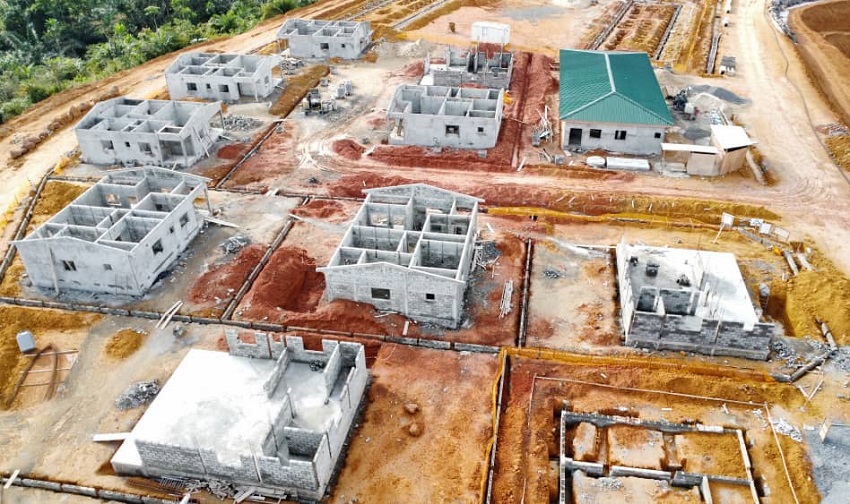
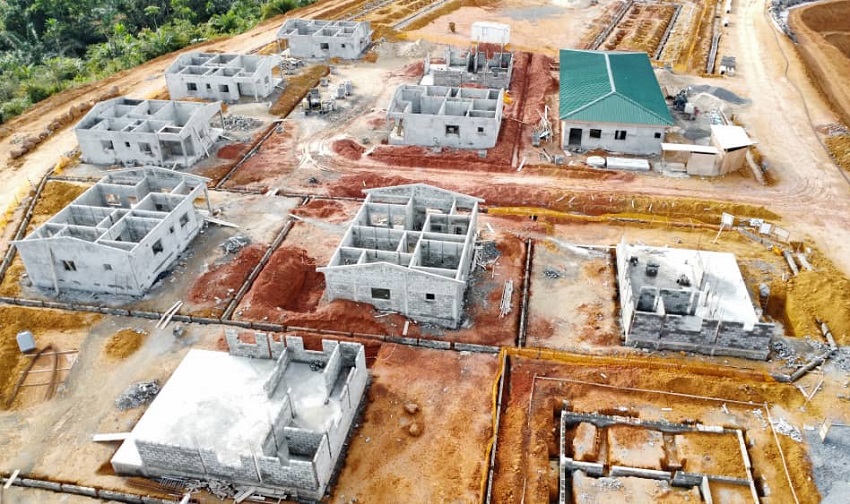
President Oligui Nguema’s approach directly confronts this challenge. Ongoing projects in cities like Cocobeach, Makokou, Oyem, and Bifoun, alongside neighborhood upgrades in Libreville, reflect an unprecedented commitment to balanced territorial development.
Catalyzing local economies
This strategy transcends bricks and mortar. Each new road, hospital, school, or housing unit is designed as an economic catalyst. Improved connectivity unlocks agricultural markets. A modern healthcare facility enhances regional attractiveness. A university retains local talent. New housing stimulates construction sectors. These initiatives create ripple effects, reviving dormant economies and fostering sustainable growth.
Gabon’s approach aligns with global best practices. Countries such as Morocco, Rwanda, and Senegal have demonstrated how targeted territorial development can accelerate economic growth while reducing social tensions.
For Gabon, this model could usher in a new era of regional economic hubs, complementing the traditional dominance of Libreville and Port-Gentil.
Restoring trust in governance
Beyond economics, this policy redefines the relationship between the state and its citizens. By prioritizing on-the-ground monitoring and presidential field visits, the administration has shifted focus from distant policymaking to localized problem-solving. It signals a break from governance perceived as detached from rural realities.
The true test lies ahead. Gabon’s citizens will measure success not in speeches, but in tangible outcomes: completed roads, operational hospitals, functioning schools, reliable water and electricity. The credibility of the president’s promise hinges on visible, timely results.
The declaration “No community will be left behind” is more than a slogan—it embodies a new social contract. A vision of a Republic where no territory is excluded from progress, where every citizen, regardless of location, shares in the nation’s prosperity.
If realized, this transformation could redefine Gabon’s future. The strongest nations aren’t built on a few thriving cities—they thrive when every region contributes to collective destiny. President Oligui Nguema’s wager is clear: making territorial equity the engine of national unity and shared prosperity.
