
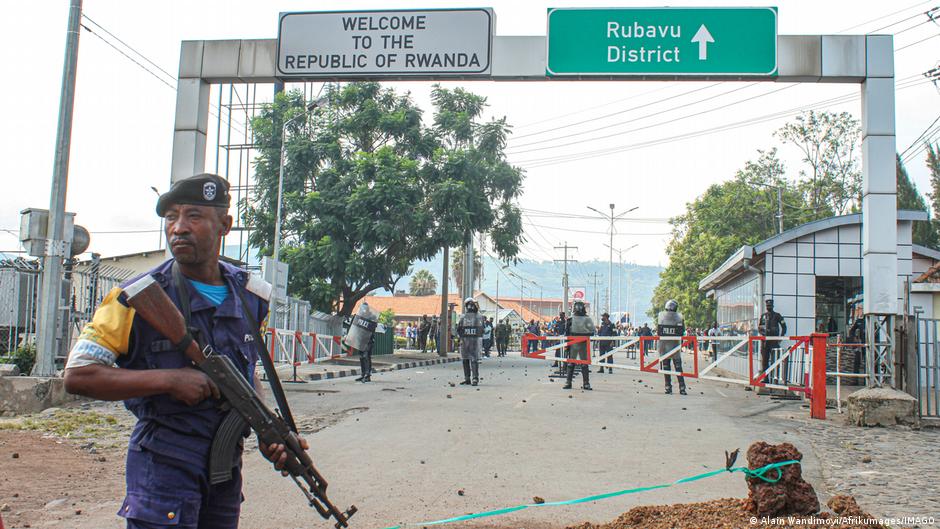
The suspension of activities at the border crossings between Goma, located in the eastern République démocratique du Congo, and Gisenyi in Rwanda, is triggering significant concern among the local population. From street merchants to economic analysts, the observation is the same: the regional economy is suffering a major blow.
In an effort to curb the potential spread of the Ebola virus, Rwanda has implemented several restrictive measures. These include the total closure of its borders with the DRC and the establishment of enhanced health checkpoints at all entry locations.
Small-scale vendors face dwindling income
Jacques Safari, an egg vendor who has operated near the Goma border for years, is among the many traders whose earnings have collapsed since the transit points were shut down.
He notes that the lack of foot traffic has decimated his business. Where he once sold five trays of eggs daily, he now finds it difficult to sell even two. He attributes this decline to the disappearance of travelers who made up the core of his clientele.
“This is a direct result of the harsh socio-economic conditions created by the border closure, as most of our buyers were people crossing between the two countries,” he explained.
Supply chain disruptions for major markets
The impact is also being felt by wholesalers dealing in manufactured goods. In the Birere market, several business owners are speaking out about the increasing hurdles they face in securing stock.
Hamuli Kasilembo, a wholesaler in this market, points out that trade with Rwanda previously allowed for a quick and consistent supply of products. Now, merchants are dealing with logistical nightmares and a sharp drop in demand. He observes that the flow of currency has slowed significantly, making every transaction more difficult to finalize.
A predictable downturn according to experts
For economic observers, the fallout from this decision was entirely expected. Alphonse Muanda highlights that the daily commercial flow between Goma and Gisenyi is a fundamental pillar of the local economy for both border cities.
He notes that many small-time entrepreneurs rely on cross-border trade for their daily survival. These individuals frequently traveled to Gisenyi to buy essential wholesale goods such as rice and soap to sell back home.
“When the Rwandan authorities shut the gates, the small-scale traders are the ones who feel the pain first. Many of them live day-to-day and are completely dependent on these cross-border exchanges.”
The decision to close the border was taken by Rwandan officials as a health measure to prevent the transmission of Ebola. As the restrictions persist, the residents of Goma are increasingly worried about a rise in social and economic instability in the coming weeks.