
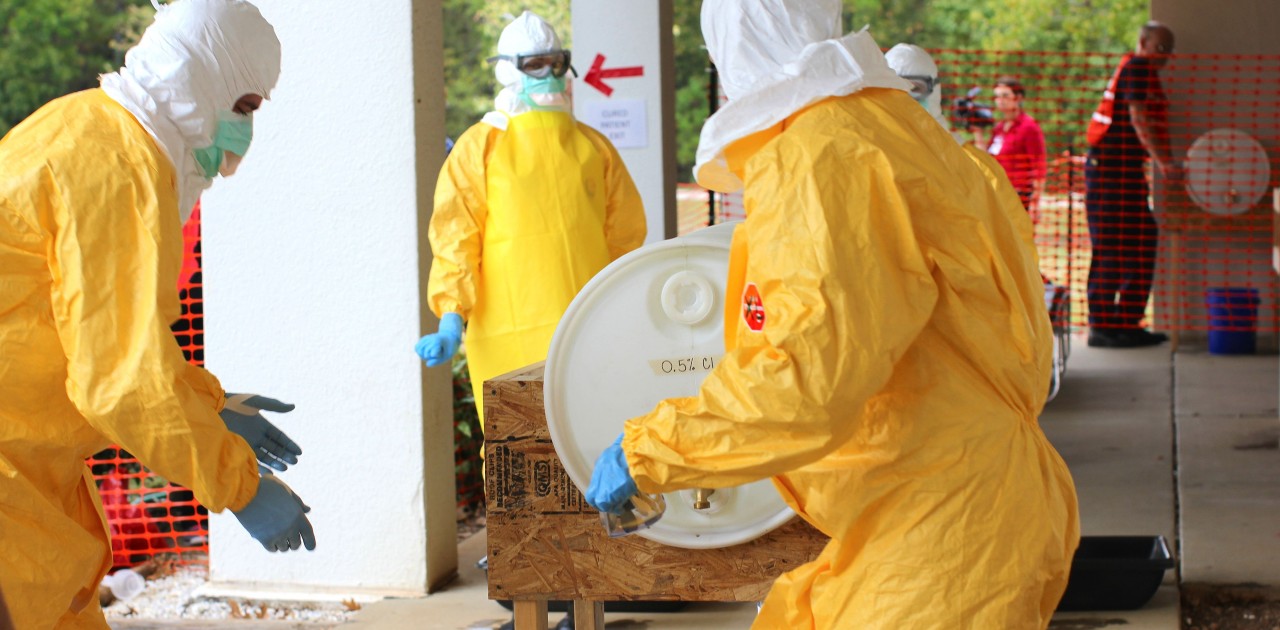
Ebola outbreak in Democratic Republic of Congo: rapid spread and global concerns
Health authorities in the Democratic Republic of Congo (DRC) are grappling with a rapidly escalating Ebola crisis, with confirmed cases surpassing 1,000 in just four weeks. The outbreak is concentrated in the eastern provinces of Ituri, North Kivu, and South Kivu—regions already struggling with armed conflict, mass displacement, and severely limited healthcare access.
The situation has raised global alarms following the confirmation of an imported case in France, though health officials emphasize that the risk of international spread remains minimal due to robust surveillance and containment protocols. Nonetheless, the rapid progression of the virus within conflict zones has intensified fears of further uncontrollable spread.
Challenges in controlling the outbreak
The eastern DRC provinces bear the brunt of this crisis, where decades of instability have devastated healthcare infrastructure. Insecurity from ongoing armed clashes and frequent population movements have severely hampered response efforts, making contact tracing and vaccination campaigns exceedingly difficult.
Local health workers are working under extreme conditions to contain the virus, but the combination of geographical isolation, logistical hurdles, and community mistrust has slowed progress. Public health experts warn that without enhanced support and security, the outbreak could spiral beyond current containment zones.
International response and preparedness
Despite the imported case in France highlighting the virus’s potential to cross borders, international health bodies maintain that the risk of a large-scale global outbreak remains low. Enhanced screening at international points of entry and rapid isolation protocols have been credited with preventing wider dissemination.
However, the situation in DRC serves as a stark reminder of how quickly infectious diseases can exploit gaps in global health security. The World Health Organization (WHO) and partner organizations continue to provide critical logistical and medical support, but the scale of the challenge demands sustained international attention.
As the crisis unfolds, health officials are calling for increased investment in local healthcare systems and conflict-sensitive public health strategies to curb the spread of Ebola in the DRC and prevent future outbreaks.