
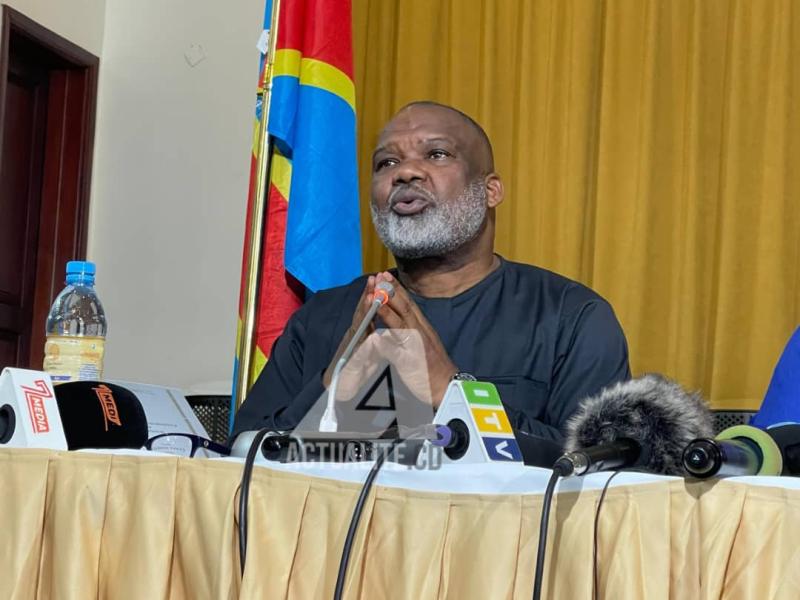
East DRC crisis: UN report exposes deep divisions within AFC/M23
- Politics
A fresh UN experts report on the Democratic Republic of Congo has shed light on the growing internal fractures within the Alliance of the Congo River (AFC) and March 23 Movement (M23). The document, submitted to the UN Security Council, reveals persistent tensions between the movement’s political and military leadership, threatening its cohesion in eastern DRC.
The report highlights that while political figures like Corneille Nangaa and Joseph Kabila harbor ambitions to extend their influence toward Kinshasa, the majority of M23 military commanders strongly oppose any expansion beyond North Kivu and South Kivu provinces. This fundamental disagreement has created a dangerous rift within the group, compounded by disputes over resource control and distribution.
Military leadership remains firmly in the hands of General Sultani Makenga, despite increasing challenges from within the movement and external pressure from Rwanda. Meanwhile, Nangaa and AFC spokesperson Bertrand Bisimwa continue to lead the political wing, maintaining close ties with Rwandan authorities who provide both strategic guidance and logistical support.
Territorial divisions and disputed command structures
The document details how AFC/M23 has reorganized its occupied territories into three “defense zones,” each under different military commanders:
- General Baudoin Ngaruye oversees the first zone (Nyiragongo, Rutshuru, Lubero territories)
- Brigadier General Justin Gacheri Musanga commands the second zone (Masisi and Walikale)
- General Innocent Byamungu leads the third zone covering South Kivu
The report estimates the AFC/M23 fighting force at approximately 30,000 combatants. This figure includes:
- The “hard core” of former CNDP and historic M23 members
- Recruits mobilized since 2021 from the diaspora and Rwandan refugee camps
- Defectors from recent FARDC, National Police, and Wazalendo units captured or who voluntarily joined after Goma’s fall
- Members of local defense forces and newly formed police units
Ongoing regional tensions and failed mediation
The UN report arrives at a critical moment when the security and humanitarian situation in eastern DRC continues to deteriorate. Persistent tensions between Kinshasa and Kigali further complicate efforts to implement the Washington Agreement, now one year after its ministerial signing. Similarly, the Doha process under Qatari mediation has made little progress, with key divergences between the DRC government and AFC/M23 remaining unresolved despite the Montreux discussions in Switzerland.
The report notes that unmet commitments from these negotiation phases, combined with shifting priorities in the Middle East, have relegated this critical dossier to the back burner, significantly slowing mediation efforts.