
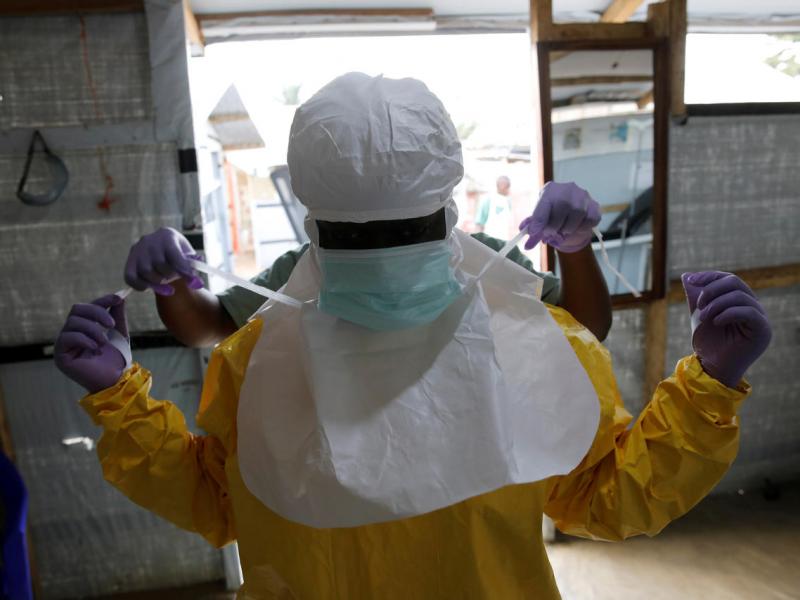
In the Democratic Republic of the Congo, more than a month after the official declaration of the 17th Ebola virus disease epidemic, a new phase in the outbreak response is underway. The government has introduced a 21-day mandatory isolation period for any individual traveling from areas affected by the epidemic before they can proceed to other domestic or international destinations. The announcement came on Wednesday, 24 June 2026, as authorities underscored the need to strengthen public health measures against the ongoing outbreak.
“This measure aims to reinforce existing public health protocols, reduce the risk of virus spread, and ensure rigorous management of potentially exposed individuals,” the government stated.
The decision follows the detection of an Ebola case in France. The medical NGO ALIMA confirmed that one of its humanitarian doctors tested positive for the Ebola virus after returning to France following a mission in an epidemic-affected area of the Democratic Republic of the Congo.
“The government reaffirms its unwavering commitment to protect the population and support frontline teams, leading the response with responsibility, transparency, and scientific rigor, while strengthening—together with all partners—every necessary measure to protect Congolese citizens and affected communities across the national territory and within international health cooperation,” the authorities added.
This measure comes as the toll of the Ebola Bundibugyo outbreak in the DRC continues to rise. According to the situation report released on Wednesday, 24 June 2026, covering data up to Tuesday, 23 June, there have been 1,118 confirmed cases and 291 deaths since the epidemic began, a case fatality rate of 26%. The outbreak now spans 34 health zones across three provinces: Ituri, the epicentre with 22 affected zones; North Kivu, under priority surveillance with 11 zones; and South Kivu, with 3 confirmed cases and one death.
Operationally, the Ministry of Public Health, Hygiene and Social Welfare reports that 408 patients are currently in isolation or hospitalised, while 122 recoveries have been recorded. Contact tracing coverage stands at 77.1% for 8,346 contacts under surveillance—a figure that, according to authorities, reflects an active system but one still falling short of set operational targets.
On 17 May, two days after the official declaration of the epidemic in the Democratic Republic of the Congo, the World Health Organization (WHO) classified the Ebola outbreak caused by the Bundibugyo strain, which later spread to Uganda, as a Public Health Emergency of International Concern (PHEIC).
According to the WHO, the outbreak has expanded geographically, and its true scale may be underestimated. The situation is worsened by high population mobility, fragile health systems, inadequate health infrastructure, difficult access to conflict-affected areas, and the lack of a specific vaccine or treatment for this strain of the virus.
Despite these worrying circumstances, the authorities of the Democratic Republic of the Congo remain reassuring and reject any alarmist discourse. They highlight the ongoing efforts with national and international partners to contain the epidemic. They also recall the country’s extensive experience in managing health crises, having successfully controlled sixteen previous Ebola outbreaks through major response operations.