
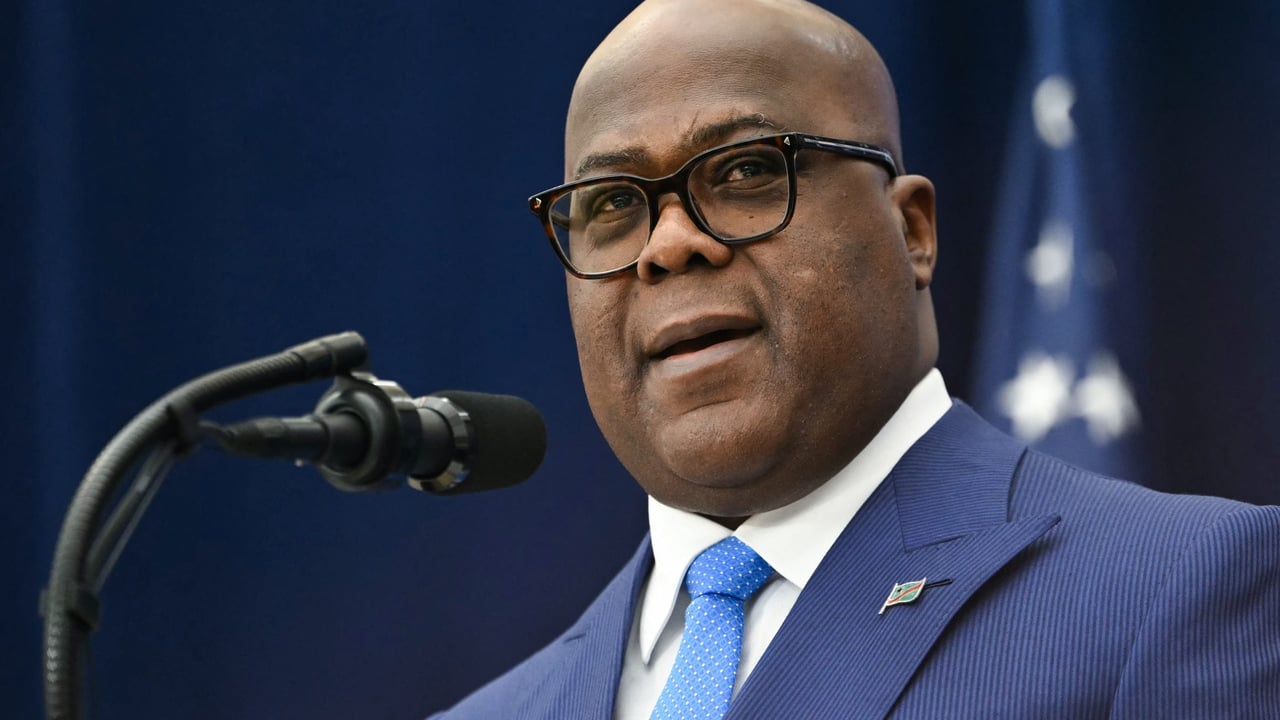
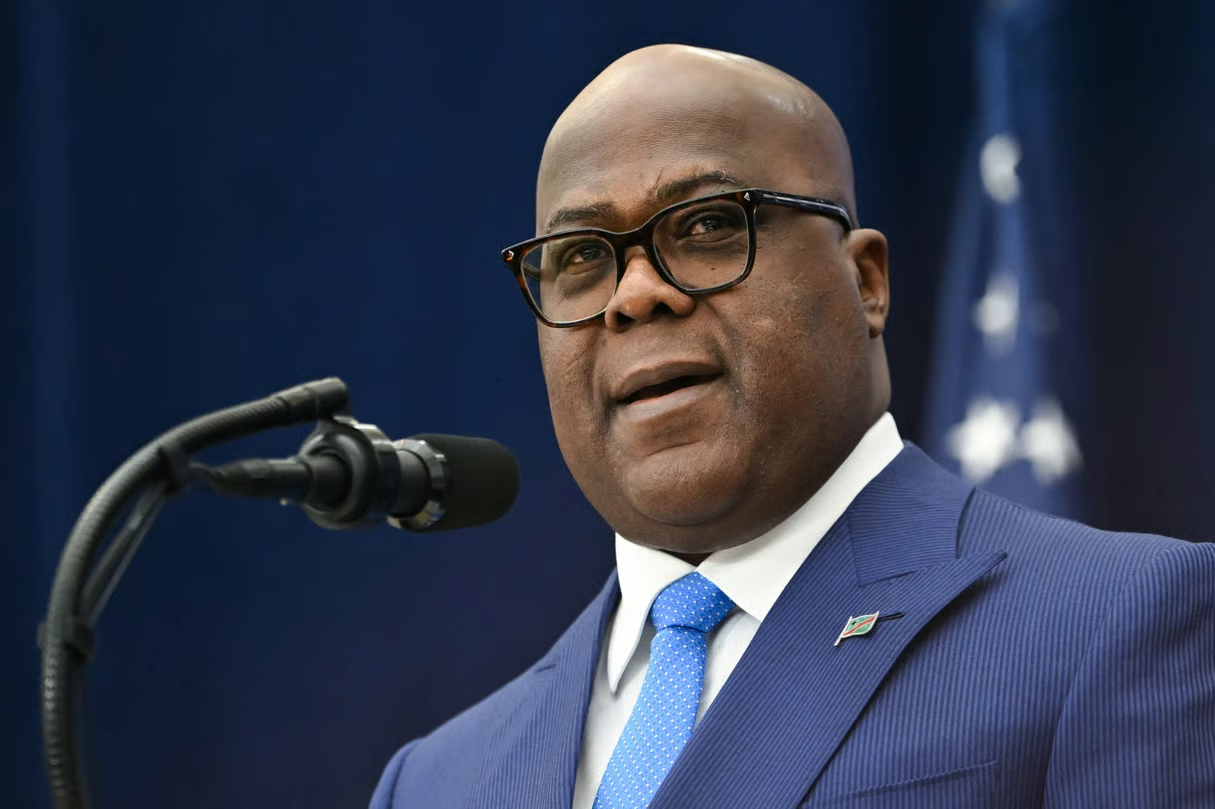
The Democratic Republic of the Congo’s Constitutional Court has delivered its ruling on a critical legal amendment, paving the way for President Félix Tshisekedi to seek re-election for a third consecutive term. The decision follows months of legal and political debates surrounding the constitutionality of extending term limits.
In a unanimous verdict, the nine-member bench dismissed objections challenging the new law, confirming its alignment with the country’s constitutional framework. The ruling underscores the court’s role in interpreting legal provisions, particularly those affecting presidential mandates.
Legal and political implications
The court’s decision arrives at a pivotal moment for the DRC, as the nation prepares for upcoming elections. Critics argue that the amendment circumvents the spirit of the constitution, which originally capped presidential terms at two. Supporters, however, contend that the changes reflect the will of the electorate and the need for continuity in leadership.
Key provisions of the contested law include adjustments to term limits, which now allow incumbents to run for an additional mandate. This has sparked widespread discussions about democratic norms and the balance of power within the country’s political landscape.
Reactions and next steps
Following the ruling, Tshisekedi’s office issued a statement acknowledging the court’s decision while emphasizing the importance of transparent electoral processes. Opposition figures have vowed to challenge the law through alternative legal avenues, raising concerns about potential unrest.
The international community has closely monitored the situation, with diplomats and observers emphasizing the need for inclusive and credible elections. The DRC’s electoral commission has begun preparations to ensure the process adheres to national and international standards.
As the country braces for the electoral cycle, all eyes remain on the president’s next moves and the broader implications for governance and stability in the region.